



Menopause Symptoms: A Complete Guide to What Can Change and Why




From hot flashes to menopause mood changes and sleep problems, learn what’s driving every symptom, and what treatment options may help you.
- Menopause is a natural transition, but menopause symptoms, such as hot flashes, sleep disruption, mood changes, and weight changes, are driven by real hormonal changes and deserve real treatment.
- Perimenopause may begin years before your last period, with symptoms often starting in your 40s (sometimes late 30s).
- Hot flashes affect roughly 75% of women and may last for a decade or more.
- Sleep problems, mood changes, and brain fog during menopause have a hormonal basis; they aren’t “just stress.”
- Vaginal and urinary symptoms are common, undertreated, and often highly responsive to treatment.
- Hormone therapy, when prescribed by a licensed healthcare provider, may help address several symptoms simultaneously.
This article is for general informational purposes only and is not a substitute for professional medical advice, diagnosis, or treatment. Always talk with a licensed healthcare provider before starting, changing, or stopping any medication or therapy.
Many women experience changes in their sleep, mood, weight, or body temperature—long before their period stops. But many women also may not connect these symptoms to changing hormones, such as menopause.
Menopause is when you’ve gone 12 consecutive months without a menstrual period, which happens on average at age 52. Yet, the transition that leads up to it (called perimenopause) may actually begin 8-10 years earlier, which is when most symptoms first appear. Below, we take a closer look at the most common menopause symptoms, why they happen, and what might help.
What Is Menopause? And When Does It Start?
Contrary to popular belief, menopause isn’t usually a single event. Instead, this transition often involves a multi-year journey, consisting of three main stages:
- Perimenopause is the initial transition phase, often beginning in your early to mid-40s or sometimes in your late 30s. During this time, estrogen and progesterone levels fluctuate and gradually decline, which is when most symptoms first surface. This phase may last anywhere from several months to more than a decade.
- Menopause is considered the clinical marker. It’s defined as 12 consecutive months without a menstrual period.
- Postmenopause is everything that follows. Many symptoms may ease, but hormonal changes may also persist, and longer-term considerations, such as bone density and cardiovascular health, become more relevant.
It’s also worth knowing that menopause before age 45 is considered early, and before age 40 is premature (sometimes called primary ovarian insufficiency). Surgical removal of the ovaries also causes menopause immediately. If you’re curious about the lead-up to all of this, our dedicated guide about perimenopause symptoms goes into more detail.
So, what are the common symptoms of menopause? And why do they happen?
Hot Flashes and Night Sweats
Why Hot Flashes Happen
Hot flashes are the most recognizable of all menopause symptoms, affecting approximately 75% of women. As estrogen declines, it affects the hypothalamus (your brain’s internal thermostat). As such, the hypothalamus becomes more sensitive to small changes in body temperature and triggers a heat-dissipation response, flushing and sweating, even when you aren’t actually overheated.
A typical hot flash lasts 1 to 5 minutes and may be accompanied by a rapid heartbeat, flushing of the face and chest, and chills afterward.
They can begin during perimenopause (before your periods have stopped), and for some women, may continue for up to 14 years after menopause.
What May Help
The following may be considered by a licensed healthcare provider if you’re experiencing severe hot flashes:
- Hormone therapy (HRT): Menopausal hormone therapy with estrogen has strong clinical support as the most effective option for reducing the frequency and severity of hot flashes. Risks and benefits vary by individual, meaning a conversation with a licensed provider is best to determine if it’s right for you.
- Non-hormonal prescription options: Certain antidepressants (SSRIs/SNRIs), gabapentin, and clonidine may help reduce hot flashes in women who can’t or prefer not to use HRT.
- Lifestyle adjustments: Identifying and avoiding triggers, such as spicy food, alcohol, caffeine, heat, or stress, and dressing in layers, keeping a fan nearby, and practicing slow, deep breathing during a flash may all offer relief.
- Weight management: Research suggests hot flashes may be more severe in women with overweight or obesity, which means healthy weight management may indirectly help.
-
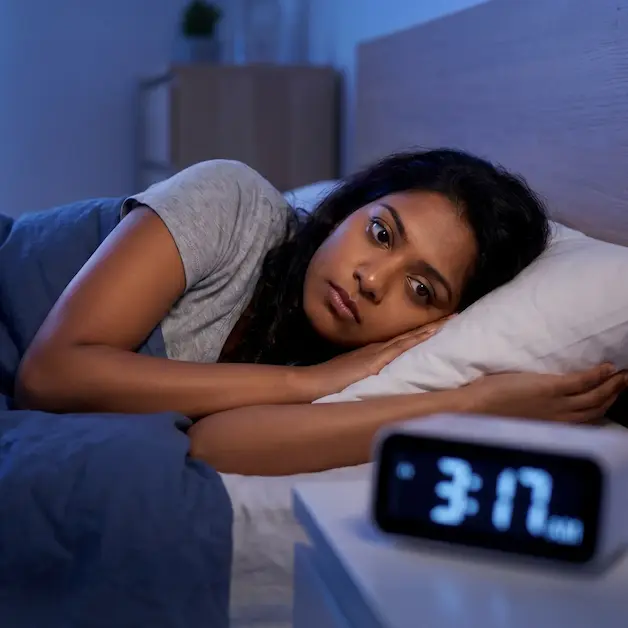
Menopause Sleep Problems
Why Menopause Disrupts Sleep
Menopause sleep problems are some of the most disruptive symptoms involved in this transition, and they usually stem from several overlapping causes:
- Night sweats interrupt your sleep cycle and pull you out of the deep, restorative stages.
- Declining progesterone, which has a natural calming, sedative-like effect, makes it harder to fall and stay asleep.
- Estrogen helps regulate serotonin and melatonin, both of which influence your sleep-wake rhythm.
- Anxiety and mood changes (more on those next) can compound the difficulty.
Insomnia is estimated to affect 40-60% of perimenopausal and menopausal women. And because poor sleep worsens mood, focus, and metabolism, it may also create a frustrating cycle that feels difficult to break.
What May Help
- HRT: Addressing the underlying hormonal decline, particularly when night sweats are the main disruptor, may improve sleep quality.
- Sleep hygiene: Regular daily habits that may help include consistent sleep and wake times, a cool bedroom, fewer screens before bed, and limiting alcohol intake (which may fragment sleep).
- Cognitive behavioral therapy for insomnia (CBT-I): This is considered a first-line, non-drug approach with strong evidence, often available online if preferred.
- Provider consultation: If sleep disruption is severe or persistent, a licensed healthcare provider can assess whether hormonal or non-hormonal support is appropriate for you and your situation.
-
Menopause Mood Changes
Why Mood Shifts During Menopause
Menopause mood changes are not a character flaw or merely just “stress.” They happen due to real hormonal changes; estrogen helps regulate serotonin, dopamine, and norepinephrine—the neurotransmitters that shape mood, motivation, and emotional resilience. As estrogen fluctuates and declines, these systems become less stable.
Common mood-related symptoms include:
- Irritability and low frustration tolerance
- Anxiety (often new or worsening)
- Low mood or depressive episodes
- Emotional reactivity, or feeling “not like yourself”
- Reduced motivation or sense of pleasure
Women with a history of PMS, PMDD, or postpartum mood changes may be more vulnerable here, since their brains may respond more strongly to hormonal changes. It’s also important to distinguish hormonally driven mood changes from clinical depression.
Clinical depression is more persistent and intense. It often shows up as a low or empty mood that lasts most of the day, nearly every day, for two weeks or longer. You might lose interest in things you used to enjoy, or feel a sense of hopelessness or worthlessness that doesn’t seem to lift. Either way, both warrant attention from a healthcare professional, but depending on your diagnosis, treatment may differ.
What May Help
- HRT: Estrogen therapy has shown benefit for mood stabilization, particularly in perimenopausal women. However, it isn’t a replacement for antidepressants in clinical depression, but it may ease hormonally driven mood symptoms.
- SSRIs/SNRIs: These medications may be appropriate for significant anxiety or depression, with a secondary benefit for hot flashes.
- Lifestyle support: Regular aerobic exercise has strong evidence for mood improvement. Additionally, social connection, stress management, and better sleep all may support a better mood.
- Provider evaluation: Mood changes that interfere with daily life, relationships, or work should be brought up with your healthcare provider; you don’t need to try to manage them alone.
Cognitive Changes and Brain Fog
Why Menopause Affects Memory and Focus
If you’ve been continually losing a word mid-sentence, walking into a room and forgetting why, or feeling mentally hazy, it might be due to hormonal changes associated with menopause.
Interestingly, estrogen supports cerebral blood flow, neuroplasticity, and acetylcholine, a neurotransmitter tied to memory and attention. As estrogen declines, these processes may be affected.
Reassuringly, research suggests cognitive symptoms tend to be most pronounced during the perimenopause transition and often improve in postmenopause, and this is typically not a sign of early dementia. With that said, any significant or progressive memory concerns should be evaluated by a licensed healthcare provider.
What May Help
- HRT: Some research suggests estrogen therapy started early in the transition may support cognitive function, with more mixed evidence when started later. If you’re considering this route, make sure to discuss it with your provider; HRT is available only by prescription.
- Sleep and stress management: Both sleep and stress directly impact mental sharpness, which means improving sleep may significantly reduce brain fog.
- Physical exercise: Aerobic activity supports cerebral blood flow and neuroplasticity.
- Mental structure: Lists, routines, and scheduled tasks may also help bridge any temporary attention or cognitive difficulties.
Vaginal Dryness and Urinary Changes
What is Genitourinary Syndrome of Menopause (GSM)?
Vaginal and urinary symptoms are grouped under one umbrella term: genitourinary syndrome of menopause (GSM). Unlike hot flashes, which often improve over time, GSM tends to worsen without treatment. Symptoms may include:
- Vaginal dryness, thinning, and loss of elasticity
- Itching, burning, or irritation
- Pain or discomfort during sex (dyspareunia)
- More frequent vaginal infections
- Urinary urgency, frequency, or recurrent UTIs
- Urinary leakage (stress incontinence)
So, why does this happen?
Estrogen usually maintains the thickness, lubrication, and pH of vaginal tissue. Without it, the tissue becomes thinner and drier, and the urinary tract becomes more vulnerable. Roughly 50% of postmenopausal women experience GSM. Yet fewer than 25% seek treatment, often due to embarrassment or the assumption that nothing can be done. However, it’s both common and treatable.
What May Help
- Local (vaginal) estrogen: Prescription creams, gels, rings, or suppositories deliver estrogen directly to the tissue with minimal systemic absorption, and are considered safe for most women, including some who can’t use systemic HRT.
- Systemic HRT: This also addresses GSM as part of broader hormonal support.
- Vaginal moisturizers and lubricants: Over-the-counter options may ease day-to-day discomfort and discomfort during sex.
- Ospemifene: This is a non-estrogen oral prescription option for painful sex.
- Provider consultation: GSM is consistently undertreated, but talking with a licensed healthcare provider can help you determine the next best step. You don’t need to endure these discomforts.
Changes in Libido
Why Sexual Desire Changes During Menopause
Changes in libido are common during menopause, and often underreported, since many women feel reluctant to bring it up with their doctors. As with other menopause symptoms, this is often driven by embarrassment or the assumption that nothing can be done.
Libido often declines in line with declining estrogen and testosterone (yes, women produce testosterone, and it declines with age). Vaginal dryness and discomfort may also create a physical barrier that further reduces desire. On top of this, fatigue, poor sleep, mood changes, and relationship dynamics may further compound these issues.
What May Help
- Addressing GSM: Treating vaginal dryness and discomfort often improves sexual experience and desire considerably.
- HRT: Estrogen therapy may improve libido indirectly by easing vaginal discomfort, mood, and energy. Testosterone therapy (used off-label in women) is an option in some cases, but ultimately, a licensed provider who knows you and your health history can perform a thorough evaluation and determine what’s appropriate for you.
- Open communication with a provider: Libido changes are a legitimate medical concern and deserve clinical attention. Don’t dismiss or minimize this symptom; bring it up with your physician. There are ways to address it.
Menopause Weight Gain
Why Weight Changes During Menopause
Menopause weight gain, especially around the abdomen, frustrates many women because it can happen even when nothing about their diet or activity has changed. Several factors tend to work together, which may cause this to happen:
- Estrogen decline changes how fat is stored. Instead of fat storage occurring primarily in the hips and thighs, it happens primarily in the abdomen (visceral fat), which carries greater metabolic and cardiovascular risk.
- Declining muscle mass lowers your resting metabolic rate, meaning the body burns fewer calories at rest.
- Reduced insulin sensitivity during the transition may make weight management more difficult.
- Sleep disruption raises cortisol and hunger hormones, which may increase appetite and fat storage.
The average weight gain during the menopausal transition is around 2-5 pounds, though many women gain more due to compounding factors. Even without a large change in scale, visceral fat increases the risk of cardiovascular disease, type 2 diabetes, and metabolic syndrome.
For a more in-depth look, read our guide on HRT and weight management.
What May Help
- HRT: Some research suggests estrogen therapy may help reduce visceral fat accumulation and support metabolic health during the transition, though it isn’t a weight loss treatment.
- Resistance training: Preserving and building muscle is one of the most effective ways to maintain metabolic rate during and after menopause.
- Dietary adjustments: Adequate protein supports muscle retention, and reducing refined carbohydrates may support insulin sensitivity.
- Medical weight loss support: For significant weight gain or related health concerns, medically guided weight management, including Eden’s weight loss programs, may be appropriate.
- Provider consultation: Weight changes that don’t respond to lifestyle efforts should be discussed with a licensed healthcare provider.
Other Signs of Menopause Worth Knowing
Some signs of menopause are less talked about, meaning many individuals don’t connect them to menopausal hormonal changes. These signs include:
- Joint pain and stiffness: Estrogen has anti-inflammatory properties. Declining levels may contribute to discomfort, particularly in the hands, knees, and hips.
- Skin and hair changes: Lower estrogen affects collagen production, which may lead to thinner, drier skin and more hair shedding or texture changes.
- Heart palpitations: Hormonal fluctuations may cause brief episodes of rapid or irregular heartbeat. These are usually benign but should be evaluated by a provider if frequent or severe.
- Headaches: Migraines or tension headaches may worsen during perimenopause due to estrogen fluctuations; some women find they ease after menopause.
- Irregular periods: This is one of the earliest signs of perimenopause; cycles may become shorter, longer, heavier, lighter, or simply unpredictable before stopping.
If you’re experiencing any symptom that’s severe, sudden, or significantly disrupts your daily life, however, don’t assume menopause is the cause. Always discuss it with your provider who can run appropriate testing or evaluations.
When to Talk to a Provider
Many women wait years to get help, often because they’ve been brushed off before or assumed nothing could be done. The reality is that effective treatment options do exist.
Consider talking to your provider if you’re experiencing:
- Hot flashes or night sweats that disrupt sleep or daily life
- Mood changes affecting your relationships, work, or quality of life
- Vaginal dryness or pain during sex
- Significant or unexplained weight changes
- Cognitive symptoms that feel concerning or progressive
- Any symptom that makes you feel unlike yourself
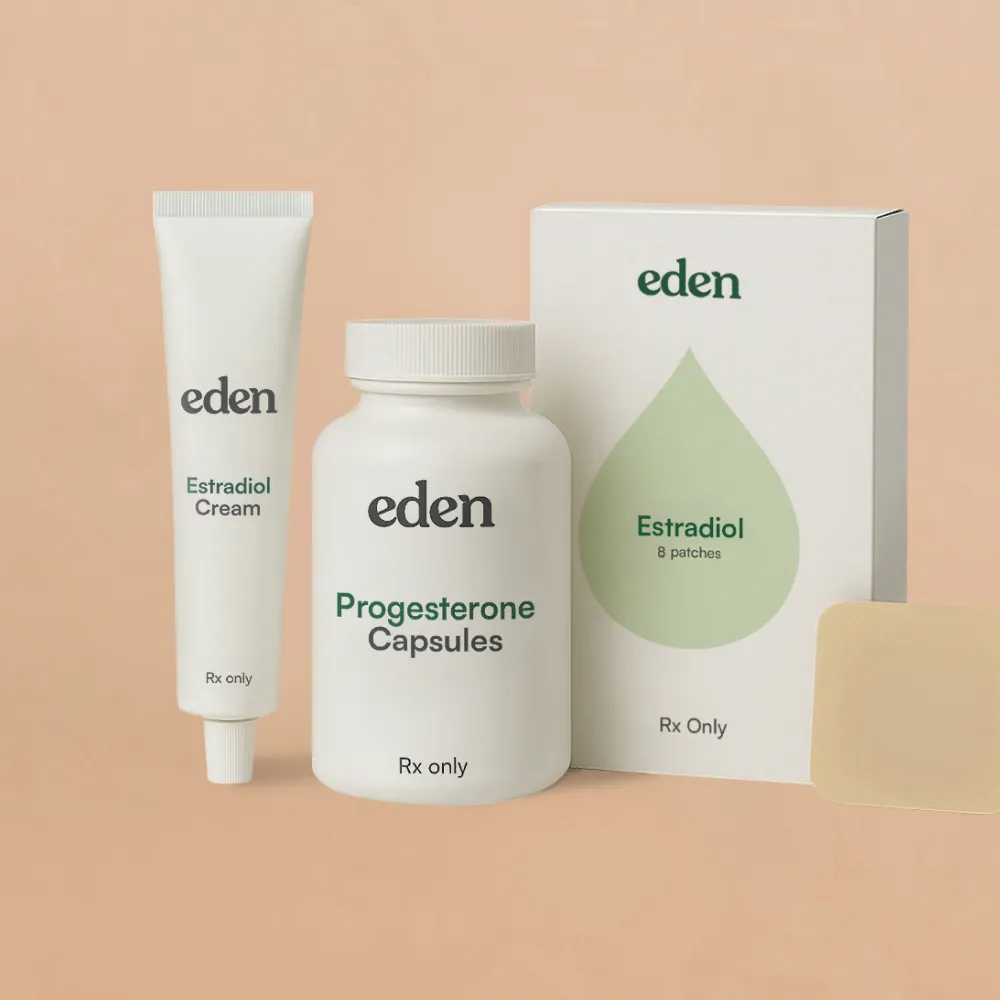
Eden’s My Custom Hormone Kit™ is a clinician-guided hormone therapy program available entirely online, with treatment options determined by a licensed healthcare provider based on your symptoms, health history, and clinical needs. It all starts with a brief online intake. From there, Eden connects you with a licensed healthcare provider who can evaluate whether hormone therapy or other treatment options may be appropriate for you.









The FDA does not approve compounded medications for safety, quality, or manufacturing. Prescriptions and a medical evaluation are required for certain products. The information provided on this blog is for general informational purposes only. It is not intended as a substitute for professional advice from a qualified healthcare professional and should not be relied upon as personal health advice. The information contained in this blog is not meant to diagnose, treat, cure, or prevent any disease. Readers are advised to consult with a qualified healthcare professional for any medical concerns, including side effects. Use of this blog's information is at your own risk. The blog owner is not responsible for any adverse effects or consequences resulting from the use of any suggestions or information provided in this blog.
Eden is not a medical provider. Eden connects individuals with independent licensed healthcare providers who independently evaluate each patient to determine whether a prescription treatment program is appropriate. All prescriptions are written at the sole discretion of the licensed provider. Medications are filled by state-licensed pharmacies. Please consult a licensed healthcare provider before making any medical decisions.
Frequently asked questions
When are the worst symptoms of menopause?

For many women, symptoms peak during late perimenopause and the year or two surrounding the final period, when hormone levels fluctuate the most. However, the timing and intensity vary from person to person.
Can you have menopause symptoms while still getting your period?
Yes, perimenopause symptoms, such as hot flashes, mood changes, and sleep problems, often begin while you’re still menstruating, sometimes years before your periods stop.
How long do menopause symptoms last?
This varies, but hot flashes alone last an average of more than seven years and, for some women, well over a decade. A licensed provider can help you better understand and manage your symptoms and treatment options.
Is weight gain inevitable during menopause?
Menopause weight gain is common but not unavoidable. Resistance training, adequate protein, quality sleep, and, where appropriate, provider-guided treatment may all help manage it.
Are menopause mood changes a sign of depression?
Not necessarily, many mood changes are hormonally driven rather than clinical depression, but the two can overlap. If mood changes interfere with your daily life, a licensed provider can help determine the cause and the right approach.
Related articles











Baker, C., & Benayoun, B. A. (2023). Menopause Is More Than Just Loss of Fertility. The Public policy and aging report, 33(4), 113–119. https://pmc.ncbi.nlm.nih.gov/articles/PMC10751372/
Baker, F. C., Willoughby, A. R., Sassoon, S. A., Colrain, I. M., & de Zambotti, M. (2015). Insomnia in women approaching menopause: Beyond perception. Psychoneuroendocrinology, 60, 96–104. https://www.sciencedirect.com/science/article/abs/pii/S0306453015002097
Gandhi, J., Chen, A., Dagur, G., Suh, Y., Smith, N., Cali, B., & Khan, S. A. (2016). Genitourinary syndrome of menopause: an overview of clinical manifestations, pathophysiology, etiology, evaluation, and management. American journal of obstetrics and gynecology, 215(6), 704–711. https://www.sciencedirect.com/science/article/abs/pii/S000293781630518X
Gold E. B. (2011). The timing of the age at which natural menopause occurs. Obstetrics and gynecology clinics of North America, 38(3), 425–440. https://pmc.ncbi.nlm.nih.gov/articles/PMC3285482/
Maki, P. M., & Jaff, N. G. (2022). Brain fog in menopause: a health-care professional's guide for decision-making and counseling on cognition. Climacteric : the journal of the International Menopause Society, 25(6), 570–578. https://www.tandfonline.com/doi/full/10.1080/13697137.2022.2122792#abstract
Morrow, P. K., Mattair, D. N., & Hortobagyi, G. N. (2011). Hot flashes: a review of pathophysiology and treatment modalities. The oncologist, 16(11), 1658–1664. https://pmc.ncbi.nlm.nih.gov/articles/PMC3233302/
Office on Women’s Health. (n.d.). OASH | Office on Women’s Health. https://womenshealth.gov/menopause/menopause-symptoms-and-relief
Saccomani, S., Lui-Filho, J. F., Juliato, C. R., Gabiatti, J. R., Pedro, A. O., & Costa-Paiva, L. (2017). Does obesity increase the risk of hot flashes among midlife women?: a population-based study. Menopause (New York, N.Y.), 24(9), 1065–1070. https://pubmed.ncbi.nlm.nih.gov/28562488/
The Menopause Society. (2025b, June 5). Menopause Topics: Hormone therapy | The Menopause Society. https://menopause.org/patient-education/menopause-topics/hormone-therapy
Thank you!
We'll be in touch.
Thank you!