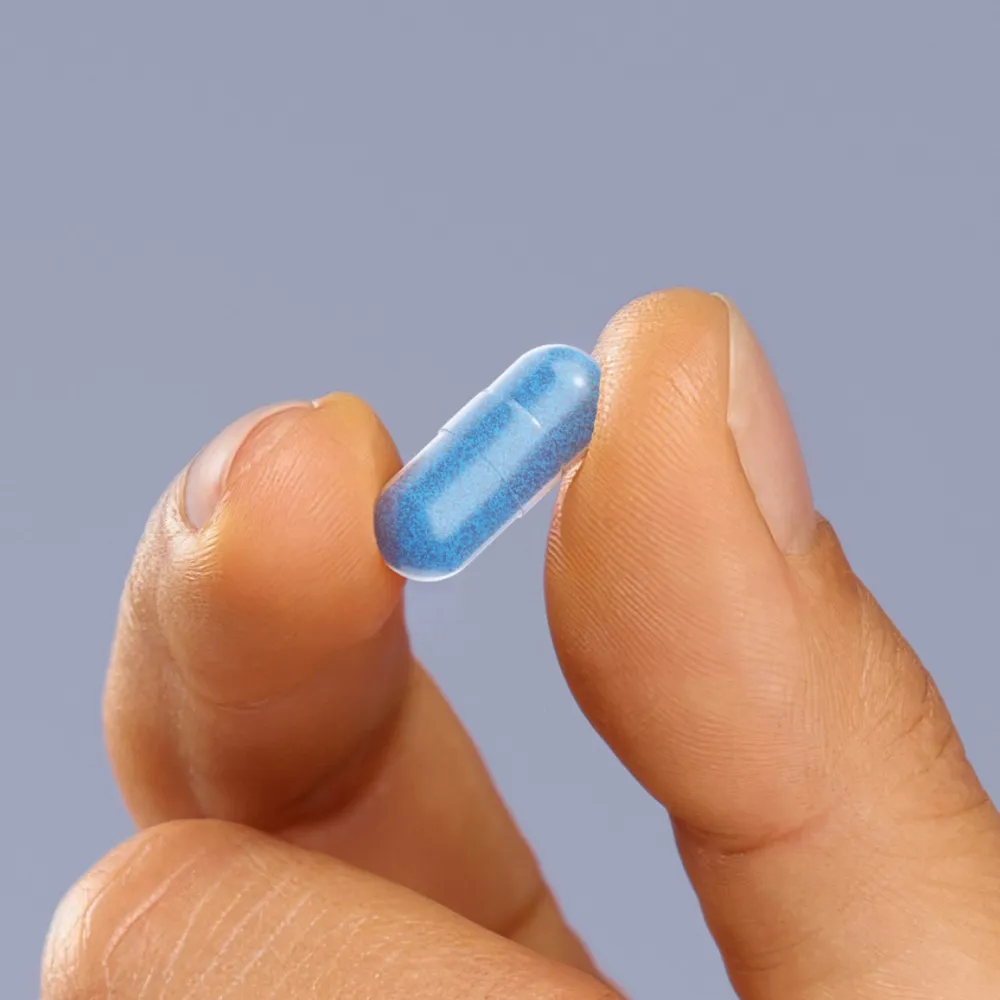




Mounjaro®: How It Works, Cost & Results



Mounjaro® (tirzepatide) targets two appetite hormones. See how it works, real trial results, and how compounded tirzepatide compares. Get started today.
- Mounjaro® (tirzepatide) is FDA-approved for type 2 diabetes, not weight loss, and activates both GIP and GLP-1 receptors to help regulate blood sugar, appetite, and digestion.
- Mounjaro® and Zepbound® contain the same active ingredient, tirzepatide, but Zepbound® is the version approved for chronic weight management and certain cases of obstructive sleep apnea.
- Clinical trials of brand-name tirzepatide observed reductions in A1C and body weight, though results vary by dose, duration, health profile, and lifestyle.
- Tirzepatide produced greater average weight loss than semaglutide in head-to-head research, but the right medication depends on your health history, goals, tolerability, cost, and provider's recommendation.
- Compounded tirzepatide may be prescribed for an identified patient when a licensed prescriber determines and documents a clinically significant difference from an FDA-approved product, but it is not FDA-approved, is not a generic, and was not studied in Mounjaro® trials.
- Stopping tirzepatide often leads to weight regain. In one 2026 trial, people who stepped down to a lower tirzepatide dose kept most of their weight loss, and some providers may consider lower maintenance doses in certain circumstances.
This article is intended for general informational purposes only and is not a substitute for professional medical advice, diagnosis, or treatment. Always talk with a licensed healthcare provider before starting, changing, or stopping any medication.
Compounded medications are not FDA-approved. They are prepared by state-licensed pharmacies for individual patients when a licensed prescriber determines and documents a clinically significant difference for an identified patient. They are not reviewed by the FDA for safety, effectiveness, or quality.
What Is Mounjaro®?
Mounjaro® is the brand name for tirzepatide, a once-weekly injectable prescription medication made by Eli Lilly and Company and first approved by the FDA on May 13, 2022.
Mounjaro® is FDA-approved alongside diet and exercise to improve blood sugar control in adults and children 10 years and older with type 2 diabetes. In August 2026, the FDA added a second approved use: reducing the risk of major cardiovascular events (heart attack, stroke, or cardiovascular death) in adults with type 2 diabetes who are at high risk for these events.
To be clear, Mounjaro® is not FDA-approved as a weight-loss drug. Zepbound®, which also contains tirzepatide, is the FDA-approved weight-management product.
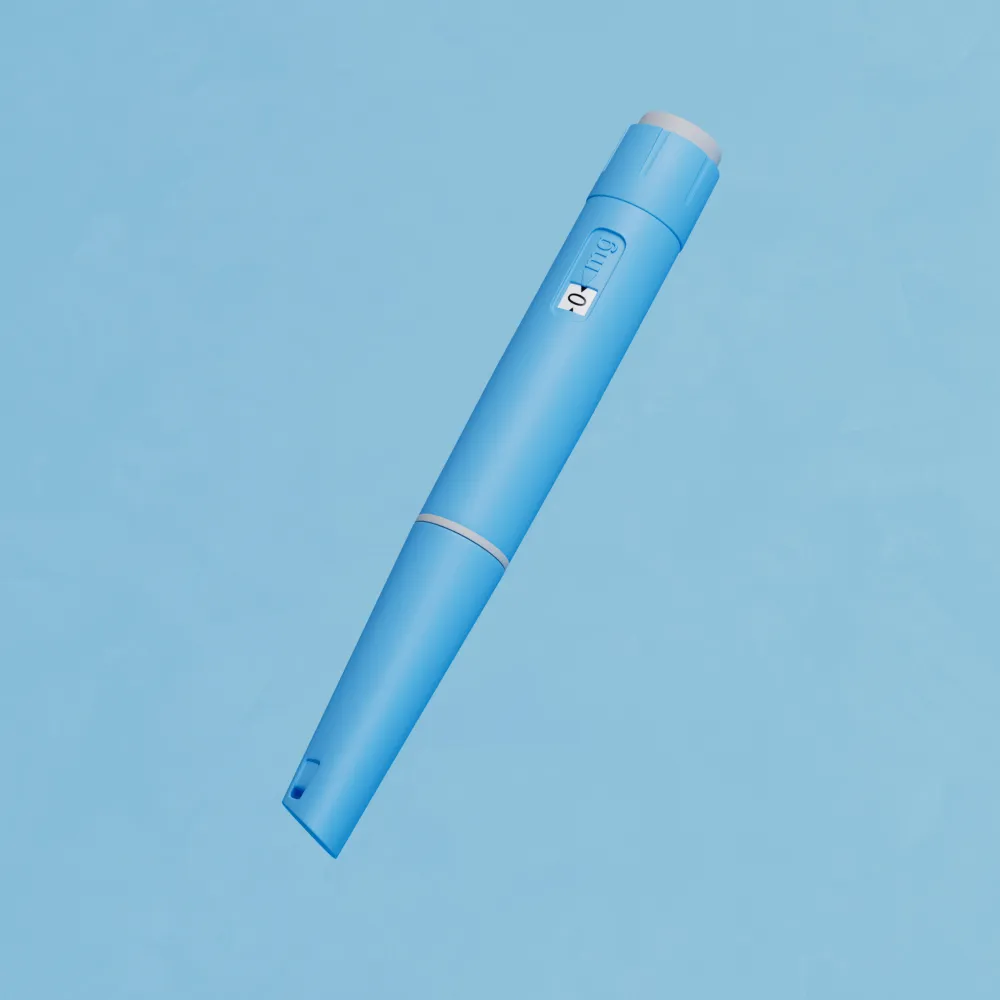
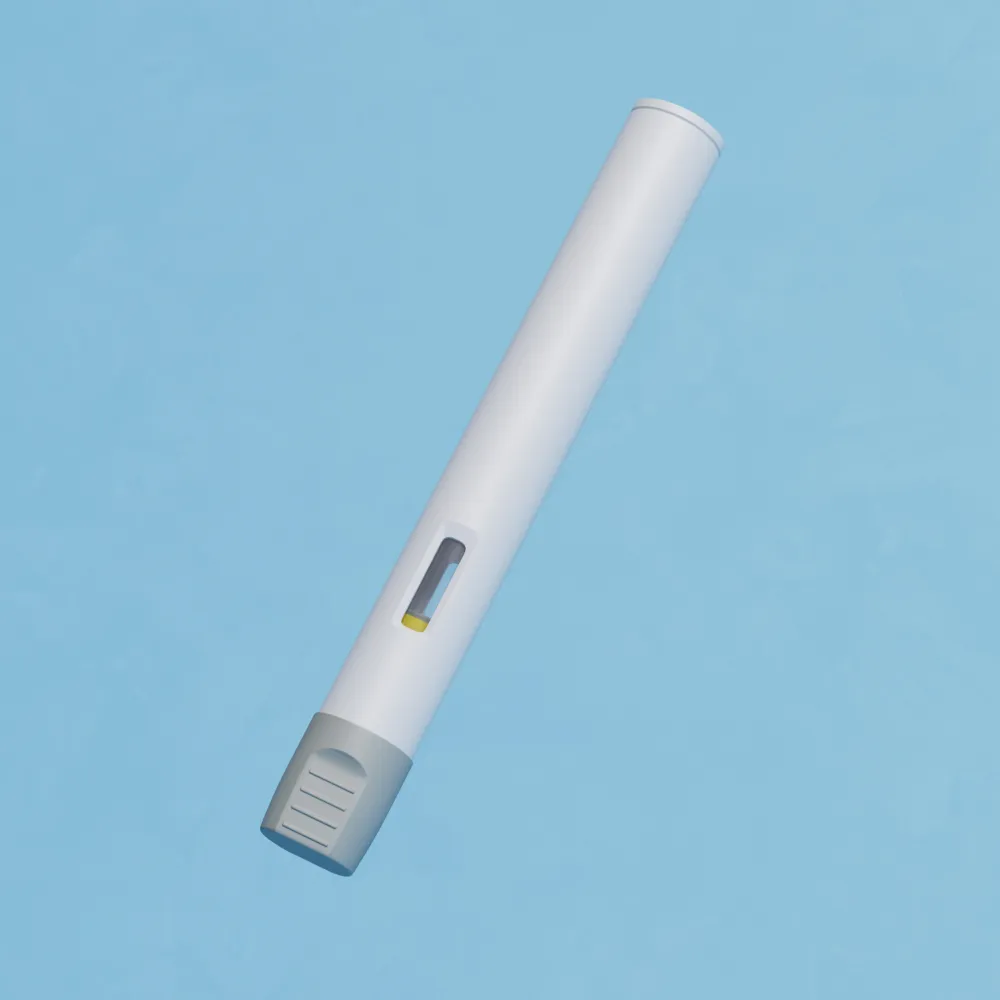
Both contain the active ingredient tirzepatide, a dual GIP/GLP-1 receptor agonist you inject under the skin once a week at home.
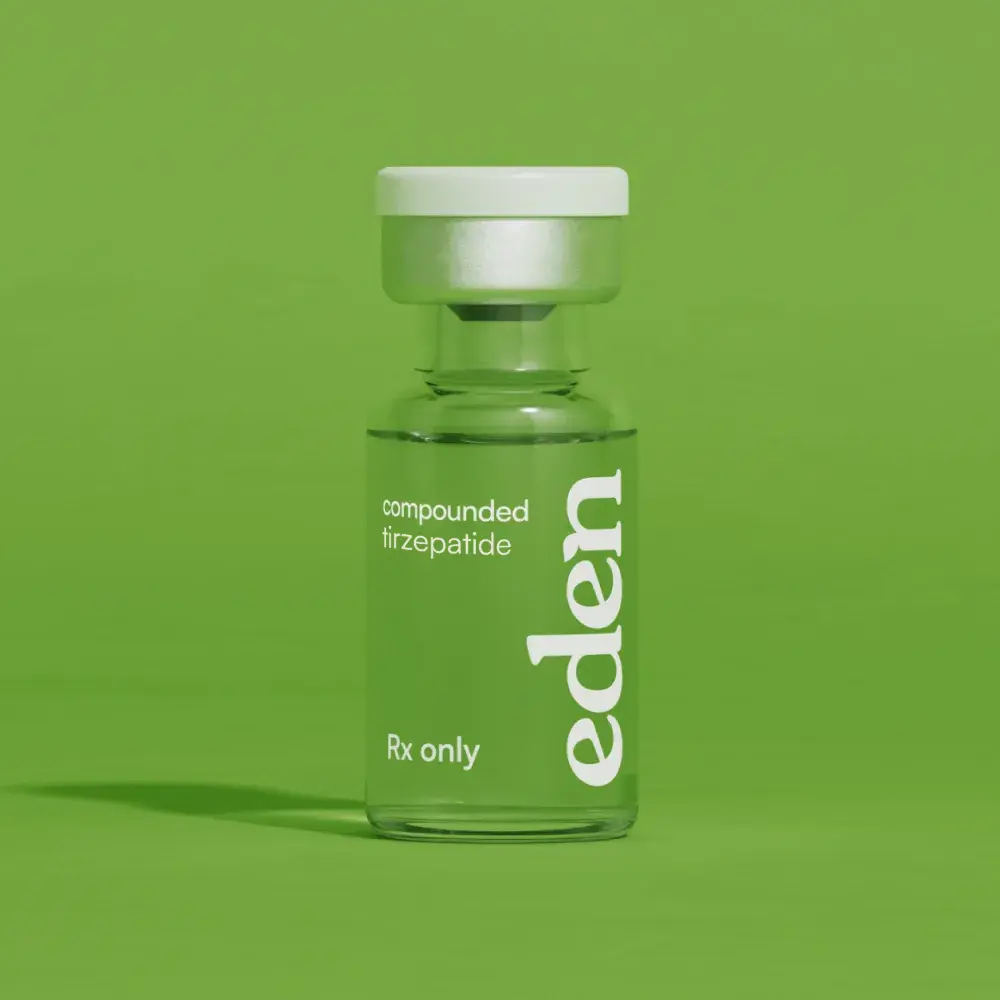
Compounded tirzepatide may also be considered when a licensed prescriber determines and documents a clinically significant difference for an identified patient. But keep in mind that compounded tirzepatide is not FDA-approved and is up to the discretion of the provider.
How Does Mounjaro® Work?
Mounjaro® is a dual agonist; it activates two gut hormone receptors at once, including:
- GLP-1 (glucagon-like peptide-1): Helps your pancreas release insulin when blood sugar rises, lowers glucagon (a hormone that raises blood sugar), and slows gastric emptying (the speed at which food moves from your stomach to your small intestine). This may blunt blood sugar spikes after meals and help you feel full longer.
- GIP (glucose-dependent insulinotropic polypeptide): Works alongside GLP-1 to further boost insulin release and is thought to contribute to appetite regulation and how the body handles fat.
Together, these effects may help reduce appetite and calorie intake.
What Makes Mounjaro® Different from Other GLP-1 Medications?
Tirzepatide activates GIP and GLP-1 receptors. In contrast, semaglutide (Ozempic®, Wegovy®) activates only GLP-1. Both are once-weekly injections with similar safety considerations, including a thyroid tumor boxed warning, pancreatitis risk, and digestive side effects.
In clinical trials, tirzepatide has shown greater average weight loss than semaglutide. However, individual results vary, and the right medication depends on your health history, goals, and provider's recommendation.
Mounjaro® Dosing Schedule
Mounjaro® starts at a low dose and increases gradually. This slow approach, called titration, gives your body time to adjust and may help limit digestive side effects like nausea.
Here's what the dosing schedule for Mounjaro® may involve:
- Starting dose: 2.5 mg once weekly for 4 weeks. This dose helps your body get used to the medication and isn't meant to control blood sugar.
- Maintenance doses: 5 mg, 10 mg, or 15 mg once weekly for adults; 5 mg or 10 mg once weekly for children 10 to 17.
- Dose increases: Usually 2.5 mg at a time, after at least 4 weeks on the current dose, depending on how well you tolerate it and how your blood sugar responds.
- Maximum dose: 15 mg once weekly for adults (10 mg for children 10 to 17).
Mounjaro® is injected under the skin of the abdomen, thigh, or upper arm on the same day each week. Your licensed provider decides when and whether to change your dose. In other words, don't adjust it on your own.
Brand-name Mounjaro® comes in six set strengths, while compounded tirzepatide may be prescribed at a different dose when a licensed prescriber documents a clinically significant difference for an identified patient. For more detail on titration, see Eden's tirzepatide dosing chart.
Mounjaro® Results: What the Clinical Trials Show
All of the following studies used brand-name tirzepatide.
In the SURPASS diabetes trials, most adults taking it brought their A1C (a measure of average blood sugar over about three months) below 7%. This was true for 75% of people on the 5 mg dose and 90% on the 10 mg dose, starting from an average A1C of 7.9% to 8.6%. A separate 40-week study found similar results: 90% of adults taking Mounjaro® 10 mg with basal insulin reached an A1C under 7%.
Many people in those trials also lost weight, though it wasn't the main goal. Adults lost an average of 12 pounds on the 5 mg dose and up to 25 pounds on the 15 mg dose.
For a clearer picture of Mounjaro® weight loss potential, researchers turned to the SURMOUNT-1 trial, which studied tirzepatide in adults with obesity or overweight who didn't have diabetes. Those on the 15 mg dose lost an average of about 20.9% of their body weight over 72 weeks.
Yet, keep in mind that these are averages from trials that paired medication with diet and activity changes. Results may vary based on dose, consistency, health profile, and lifestyle. These specific results also do not establish the safety or effectiveness of compounded tirzepatide.
Mounjaro® vs. Zepbound®: Same Molecule, Different Indication
Mounjaro® and Zepbound® contain the same active ingredient, tirzepatide, at the same dose strengths, and both are made by Eli Lilly. The difference is what the FDA approved each one to treat:
- Mounjaro® is approved for type 2 diabetes, plus cardiovascular risk reduction in adults with type 2 diabetes at high risk.
- Zepbound® is approved for chronic weight management in adults with obesity (BMI of 30 or higher) or overweight (BMI of 27 or higher) with at least one weight-related condition, and moderate-to-severe obstructive sleep apnea in adults with obesity.
Since the approved uses differ, coverage and cost can vary as well. For weight loss without diabetes, a provider may prescribe Zepbound®. If you're curious to explore more, read our Zepbound® guide, learn how Zepbound® works, or review the chart below.
Compounded Tirzepatide vs. Mounjaro®: What's the Difference?
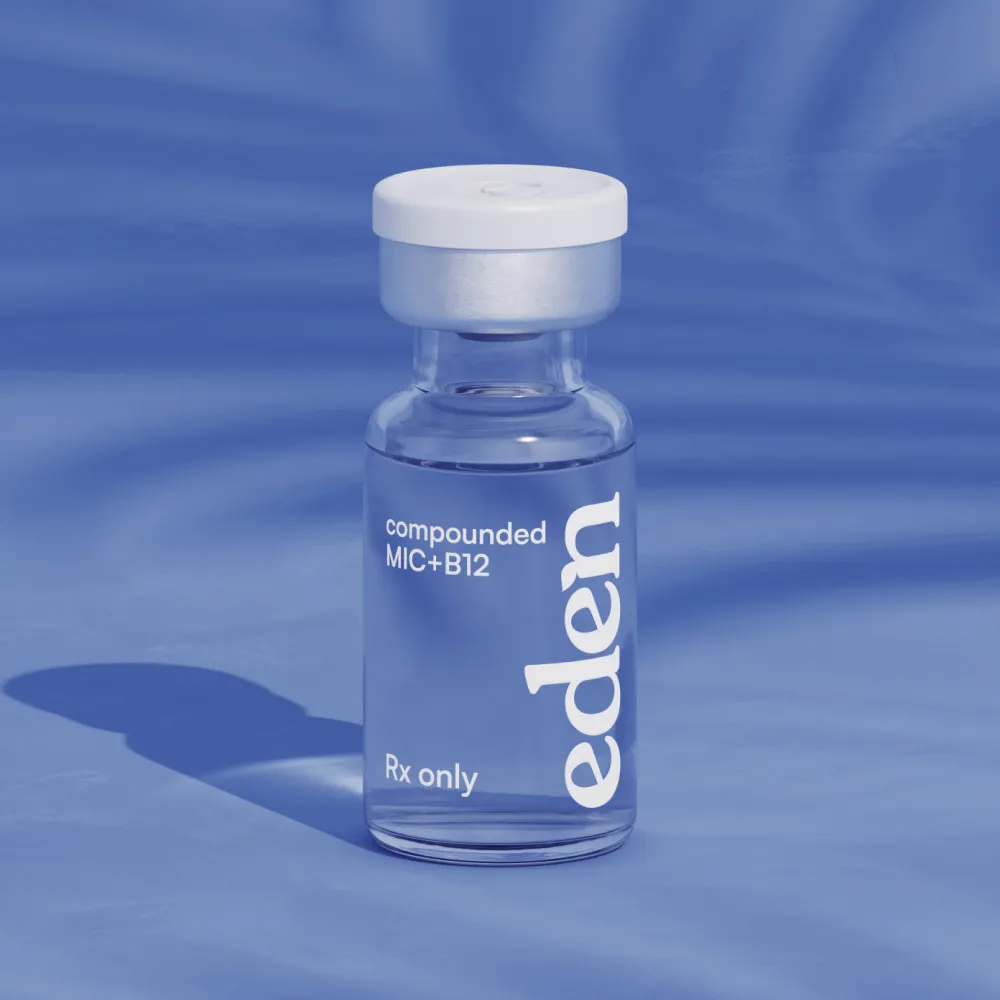
Compounded tirzepatide is a medication containing tirzepatide that a state-licensed compounding pharmacy prepares for an individual patient. It's not FDA-approved, is not a generic version of Mounjaro® or Zepbound®, and has not been reviewed by the FDA for safety, effectiveness, or quality.
While Mounjaro® comes in six set strengths from 2.5 to 15 mg, a provider may prescribe compounded tirzepatide when it's clinically appropriate for a specific patient, including a different dose when that change produces a prescriber-documented clinically significant difference for the patient. Formulations may also vary based on the prescriber's documented clinical determination.
Mounjaro® trial results should not be assumed to apply to compounded products. A licensed provider can help you decide which option (if any) is appropriate for you.
Mounjaro® vs. Ozempic®: Key Differences
When comparing Mounjaro® vs. Ozempic®, you'll find a lot in common. Both are once-weekly type 2 diabetes injectables that work through gut hormone pathways to lower blood sugar, reduce appetite, and slow gastric emptying, with similar safety warnings.
In the head-to-head SURMOUNT-5 trial of adults with obesity but without diabetes, participants on tirzepatide lost an average of 20.2% of their body weight versus 13.7% on semaglutide (up to 2.4 mg) at 72 weeks. The higher-dose Wegovy® HD (7.2 mg), approved in March 2026, however, wasn't part of that comparison.
Clinical data suggest tirzepatide may produce greater average weight loss than semaglutide, but the right medication depends on your individual health profile and your provider's recommendation. If you want to learn more, read more about Ozempic® dosing in our guide.
Mounjaro® Side Effects
The most common side effects are digestive, such as nausea, diarrhea, vomiting, constipation, decreased appetite, stomach pain, and indigestion. These may be most noticeable when your dose increases. They may also ease over time.
Serious side effects that need prompt medical attention may include:
- Thyroid tumors (boxed warning): Tirzepatide caused thyroid C-cell tumors in rats; it's unknown whether this applies to humans. Not for anyone with a personal or family history of MTC or with MEN 2. Watch for a neck lump, hoarseness, or trouble swallowing.
- Pancreatitis: Severe stomach pain that won't go away may be a sign; stop using it and contact a provider right away.
- Low blood sugar: Risk rises with insulin or sulfonylureas; symptoms include dizziness, sweating, confusion, shakiness, and a fast heartbeat.
- Serious allergic reactions: Facial or throat swelling or trouble breathing needs emergency care.
- Kidney problems: Dehydration from vomiting or diarrhea may lead to kidney injury.
- Gallbladder problems: Reported in about 0.6% of people taking Mounjaro® in placebo-controlled trials.
- Severe stomach problems: Not recommended for people with severe gastroparesis (very slow stomach emptying).
- Diabetic retinopathy: Rapid blood sugar improvement may temporarily worsen existing eye disease.
- Anesthesia risk: Tell your care team about all the medications you're taking before surgery or sedation.
This is not a complete list of side effects. Always review the full prescribing information with your licensed provider before starting Mounjaro® or any tirzepatide-based medication, including compounded tirzepatide.
Compounded medications may also carry additional risks related to formulation, potency, and quality because they have not undergone FDA premarket review.
What Happens After You Reach Your Goal? Maintenance and Lower-Dose Tirzepatide
In the SURMOUNT-4 trial, adults who lost weight over 36 weeks on tirzepatide were randomly switched to placebo or continued treatment. Over the next 52 weeks, the placebo group regained about 14% of their body weight, while those who stayed on tirzepatide lost about 5.5% more. This is why many providers consider it a long-term medication.
A newer trial looked at what happens when the dose is lowered rather than stopped. In SURMOUNT-MAINTAIN, adults who had been on their maximum tolerated dose of Zepbound® for 60 weeks either stayed on that dose, stepped down to 5 mg, or switched to placebo. Those who stepped down to 5 mg maintained all but about 5.6 kg (about 12 lbs) of their prior weight loss on average.
Some providers may also consider individualized doses below the standard strengths, sometimes called microdosing. Microdosing means using a lower-than-standard dose of a GLP-1 medication, set and adjusted by a licensed provider. Lower-dose tirzepatide may be considered through compounding only when a licensed prescriber documents a clinically significant difference for an identified patient. Whether smaller dose steps improve tolerability or support maintenance remains uncertain.
To be clear, SURMOUNT-MAINTAIN studied brand-name tirzepatide at a standard 5 mg dose, so it doesn't show how very low or individualized doses perform. Lower-dose maintenance below standard strengths isn't a standardized protocol and hasn't been tested in large clinical trials. Any dose change should be made with your provider. Learn more about long-term GLP-1 weight management.
Mounjaro® Cost and Coverage
Mounjaro® cost depends on how you pay. As of October 2026 (prices may change), here's what was currently listed:
- List price: $1,112.16 per fill of four pens, the same at every dose, based on Lilly's January 2026 list price.
- LillyDirect® self-pay: Single-dose pens at every strength are listed starting at $499 per month with a valid prescription. Terms, taxes, and fees may apply.
- Insurance: Mounjaro® is more likely to be covered when prescribed for type 2 diabetes than for off-label weight loss. Check prior authorization rules with your plan.
- Mounjaro® Savings Program: Eligible patients with commercial insurance that covers Mounjaro® may pay as little as $25 for up to a three-month prescription. Government insurance beneficiaries are excluded.
In certain patient-specific circumstances, compounded tirzepatide may be considered only when a licensed prescriber determines and documents a clinically significant difference for your individual medical needs, though it is not FDA-approved and is not a generic version of Mounjaro®. Cost or insurance coverage alone does not establish a clinical need for compounding.
Who May Be a Candidate for Mounjaro®?
Brand-name Mounjaro® may be appropriate for:
- Adults with type 2 diabetes who need additional blood sugar control alongside diet and exercise
- Children 10 and older with type 2 diabetes
- Adults with type 2 diabetes at high risk for major cardiovascular events
Tirzepatide may not be appropriate if you:
- Have a personal or family history of medullary thyroid carcinoma (MTC)
- Have Multiple Endocrine Neoplasia syndrome type 2 (MEN 2)
- Are pregnant or breastfeeding
- Have severe gastroparesis
- Have had a serious allergic reaction to tirzepatide or any ingredient in the product
For weight-loss use, Zepbound® is FDA-approved for adults with a BMI of 30 or higher, or 27 or higher with at least one weight-related condition. Eden's BMI calculator can give you a quick starting point to figure out what may be best to discuss with your provider.






The FDA does not approve compounded medications for safety, quality, or manufacturing. Prescriptions and a medical evaluation are required for certain products. The information provided on this blog is for general informational purposes only. It is not intended as a substitute for professional advice from a qualified healthcare professional and should not be relied upon as personal health advice. The information contained in this blog is not meant to diagnose, treat, cure, or prevent any disease. Readers are advised to consult with a qualified healthcare professional for any medical concerns, including side effects. Use of this blog's information is at your own risk. The blog owner is not responsible for any adverse effects or consequences resulting from the use of any suggestions or information provided in this blog.
Eden is not a medical provider. Eden connects individuals with independent licensed healthcare providers who independently evaluate each patient to determine whether a prescription treatment program is appropriate. All prescriptions are written at the sole discretion of the licensed provider. Medications are filled by state-licensed pharmacies. Please consult a licensed healthcare provider before making any medical decisions.
Frequently asked questions
How long does it take to see results with Mounjaro®?

Some people see blood sugar improvements within the first few weeks, while weight changes are usually gradual. Trial participants saw meaningful results over 40 to 72 weeks of consistent use. But results and timeline may vary.
Is Mounjaro® the same as Ozempic®?
No, Mounjaro® (tirzepatide) activates GLP-1 and GIP receptors, and Ozempic® (semaglutide) activates only GLP-1. Trials suggest tirzepatide may produce greater average weight loss, but the right choice depends on your health profile and your provider's guidance.
Is Mounjaro® the same as Zepbound®, and can you use it for weight loss?
Both contain tirzepatide at the same doses and are made by Eli Lilly, but Mounjaro® is FDA-approved for type 2 diabetes, while Zepbound® is approved for chronic weight management. Prescribing Mounjaro® for weight loss would be off-label and is less likely to be covered by insurance, so if your goal is weight loss and you don’t have type 2 diabetes, a provider would typically prescribe Zepbound®, if applicable.
Is compounded tirzepatide the same as Mounjaro®?
No, compounded tirzepatide is prepared by a state-licensed compounding pharmacy for an individual patient, is not FDA-approved, and is not a generic version of Mounjaro®. A provider may prescribe a different compounded dose when a clinically significant difference is documented for your individual needs, but Mounjaro®’s trial results don’t apply. Both Mounjaro® and compounded tirzepatide require a licensed provider’s evaluation and prescription, and Eden’s online intake connects you with a provider who can review whether tirzepatide may be appropriate for you.
How much does Mounjaro® cost per month?
Mounjaro® lists at $1,112.16 per fill. LillyDirect® self-pay starts at $499 per month, and the savings program may lower costs for eligible commercially insured patients (as of October 2026).
Can you microdose tirzepatide for weight maintenance?
Some providers may consider lower doses, sometimes called microdosing, for weight maintenance after a patient reaches their goal. In SURMOUNT-MAINTAIN, stepping down to a standard 5 mg dose preserved most prior weight loss on average, but doses below the standard strengths haven't been studied in large clinical trials. Any dose change should be made with a licensed provider.
What happens if you stop taking Mounjaro®?
Many people regain weight after stopping tirzepatide; in SURMOUNT-4, those switched to placebo regained about 14% of their body weight over a year. Blood sugar control may also worsen in people with type 2 diabetes. Talk to your provider about a treatment or maintenance plan before stopping.
Aronne, L. J., Horn, D. B., le Roux, C. W., Ho, W., Falcon, B. L., Gomez Valderas, E., Das, S., Lee, C. J., Glass, L. C., Senyucel, C., Dunn, J. P., & SURMOUNT-5 Trial Investigators. (2025). Tirzepatide as compared with semaglutide for the treatment of obesity. New England Journal of Medicine, 393(1), 26–36. https://www.nejm.org/doi/10.1056/NEJMoa2416394
Aronne, L. J., Sattar, N., Horn, D. B., Bays, H. E., Wharton, S., Lin, W. Y., Ahmad, N. N., Zhang, S., Liao, R., Bunck, M. C., Jouravskaya, I., Murphy, M. A., & SURMOUNT-4 Investigators. (2024). Continued treatment with tirzepatide for maintenance of weight reduction in adults with obesity: The SURMOUNT-4 randomized clinical trial. JAMA, 331(1), 38–48. https://jamanetwork.com/journals/jama/fullarticle/2812936
Eli Lilly and Company. (2026). FDA approves Lilly's Mounjaro (tirzepatide) to reduce cardiovascular risk in adults with type 2 diabetes. https://investor.lilly.com/news-releases/news-release-details/fda-approves-lillys-mounjaro-tirzepatide-reduce-cardiovascular
Eli Lilly and Company. (2025). ZEPBOUND (tirzepatide) injection: Highlights of prescribing information. https://www.accessdata.fda.gov/drugsatfda_docs/label/2025/217806Orig1s020lbl.pdf
Eli Lilly and Company. (2026). MOUNJARO (tirzepatide) injection: Highlights of prescribing information. https://www.accessdata.fda.gov/drugsatfda_docs/label/2026/215866s041lbl.pdf
Horn, D. B., Aronne, L. J., Wharton, S., Bays, H. E., le Roux, C. W., Srinath, R., Gomez-Valderas, E., Arad, A. D., Das, S., Dunn, J. P., Ribeiro, A., Glass, L. C., & Lee, C. J. (2026). Tirzepatide for maintenance of bodyweight reduction in people with obesity in the USA (SURMOUNT-MAINTAIN): a multicentre, double-blind, randomised, placebo-controlled trial. Lancet (London, England), 407(10545), 2305–2318. https://pubmed.ncbi.nlm.nih.gov/42119587/
Jastreboff, A. M., Aronne, L. J., Ahmad, N. N., Wharton, S., Connery, L., Alves, B., Kiyosue, A., Zhang, S., Liu, B., Bunck, M. C., Stefanski, A., & SURMOUNT-1 Investigators. (2022). Tirzepatide once weekly for the treatment of obesity. New England Journal of Medicine, 387(3), 205–216. https://www.nejm.org/doi/10.1056/NEJMoa2206038
Novo Nordisk. (2026). WEGOVY® (semaglutide) injection and tablets: Full prescribing information (revised 06/2026). https://www.novo-pi.com/wegovy.pdf
Novo Nordisk. OZEMPIC® (semaglutide) injection: Full prescribing information. https://www.novo-pi.com/ozempic.pdf
U.S. Food and Drug Administration. (2026, March 19). FDA approves fourth product under National Priority Voucher program, higher dose semaglutide. https://www.fda.gov/news-events/press-announcements/fda-approves-fourth-product-under-national-priority-voucher-program-higher-dose-semaglutide
Wilding, J. P. H., Batterham, R. L., Calanna, S., Davies, M., Van Gaal, L. F., Lingvay, I., McGowan, B. M., Rosenstock, J., Tran, M. T. D., Wadden, T. A., Wharton, S., Yokote, K., Zeuthen, N., Kushner, R. F., & STEP 1 Study Group. (2021). Once-weekly semaglutide in adults with overweight or obesity. New England Journal of Medicine, 384(11), 989–1002. https://www.nejm.org/doi/10.1056/NEJMoa2032183
Thank you!
We'll be in touch.
Thank you!