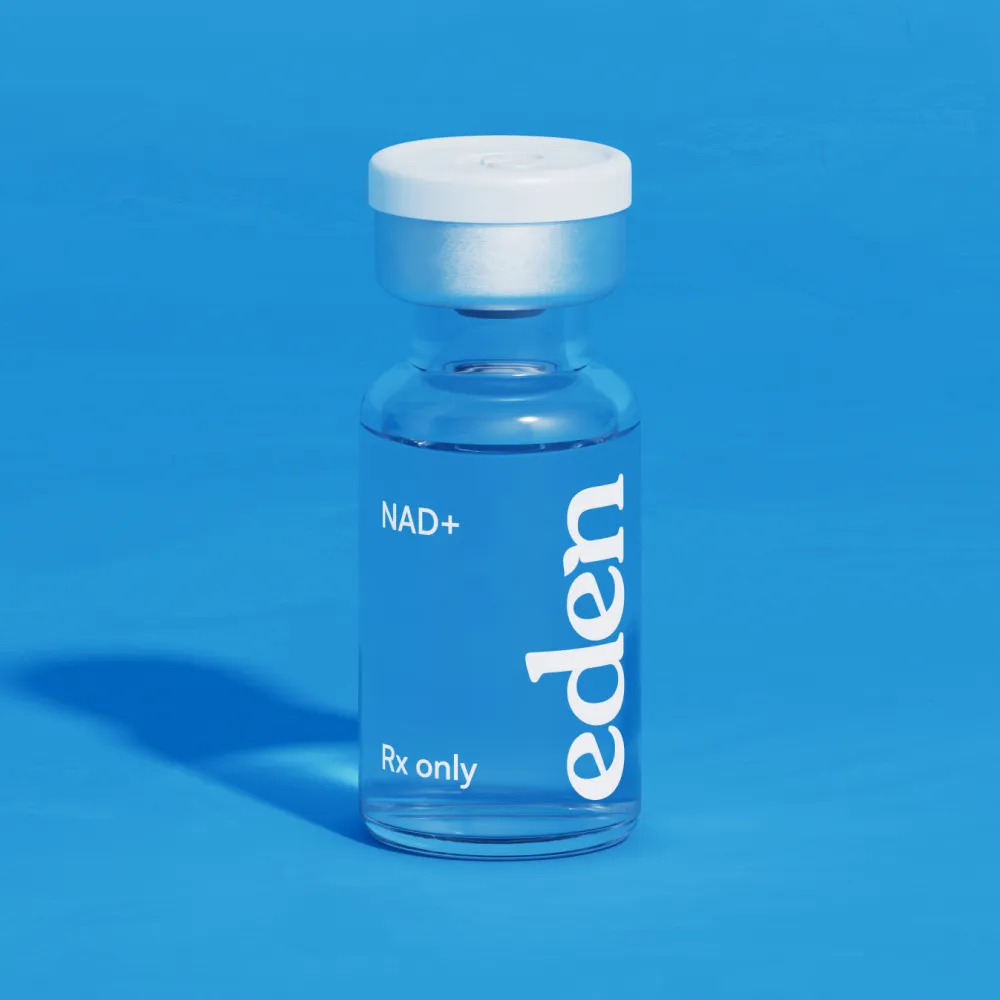




NAD+ and Weight Loss: What the Research Says About Metabolism and Energy


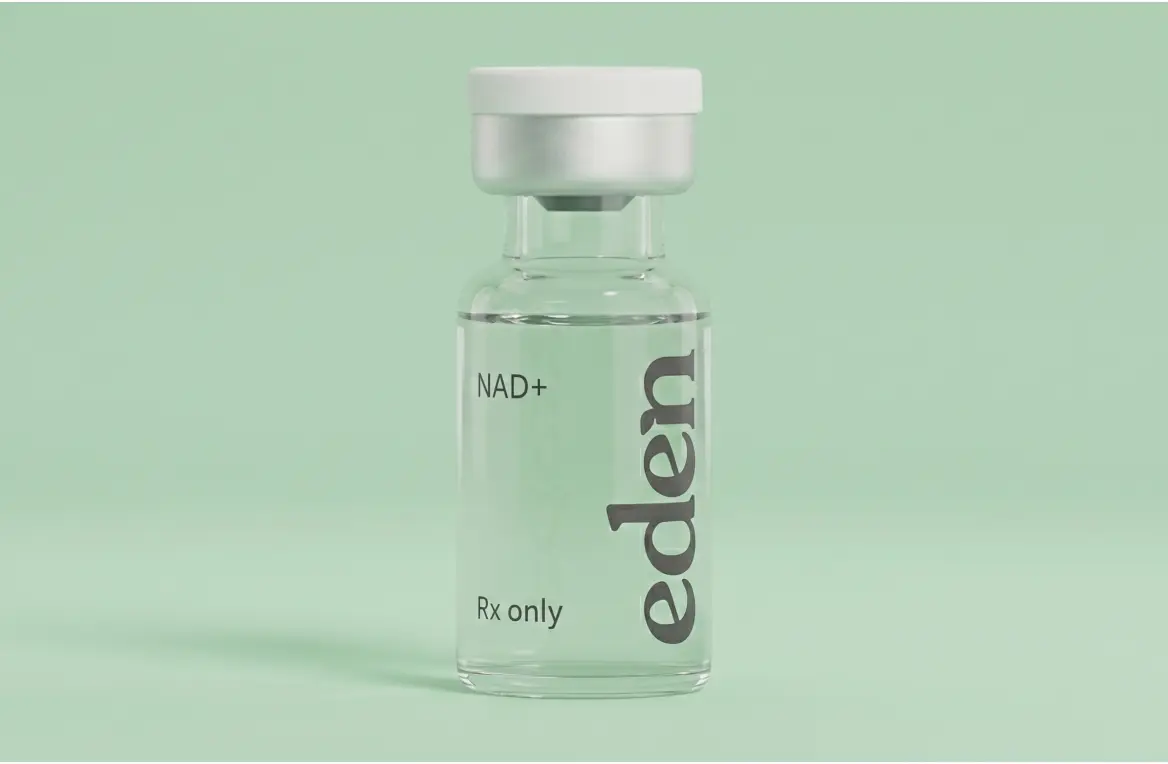

NAD+ plays a key role in cellular energy and metabolism, but can it support weight loss? Explore what the research says. Get started today.
- NAD weight loss claims aren’t supported by solid evidence, but the underlying biological mechanisms are real; NAD+ is a coenzyme found in every cell that helps convert food into usable energy.
- NAD+ levels naturally decline with age, which may contribute to a slower metabolism and reduced cellular efficiency over time.
- Emerging research suggests NAD+ precursor supplementation may modestly influence weight-related hormones and metabolic markers, though human data is still preliminary.
- NAD+ is not a weight loss medication. It works best as metabolic support alongside diet, exercise, and medical guidance.
- Supervised NAD+ injections may differ from oral supplements in delivery and absorption, but any therapy should be initiated under the care of a licensed provider.
This article is intended for educational purposes only and is not a substitute for professional medical advice, diagnosis, or treatment. Always talk with a licensed healthcare provider before starting, changing, or stopping any medication or therapy.
Compounded medications are not FDA-approved and do not undergo FDA review for safety, effectiveness, or manufacturing quality. Medications are prescribed by licensed healthcare providers only when clinically appropriate.
What Is NAD+ and Why Does It Matter?
NAD+ (nicotinamide adenine dinucleotide) is a coenzyme present in every living cell in your body. Essentially, it acts as a helper molecule that binds to enzymes, allowing critical biological reactions to happen. Without enough of it, processes such as energy production, DNA repair, and cell-to-cell communication wouldn’t function properly.
In many ways, NAD+ works like a relay runner. Instead of passing off a baton, it carries electrons to other molecules and between different chemical reactions. And these handoffs are how your cells turn fuel into the energy that powers everything else.
There are two forms of NAD:
- NAD+ is the oxidized, active form used in therapy. It’s also the form that’s “empty-handed” and ready to pick up electrons.
- NADH is the reduced form (what NAD+ becomes when it’s carrying electrons). After NADH delivers the electrons inside the mitochondria (your cell’s energy power plants), it converts back to NAD+, restarting the cycle.
Every time your body produces energy, repairs damage, or regulates a stress response, NAD+ is somewhere in the equation.
How NAD+ Levels Change With Age
As we age, NAD+ levels decline. Research suggests they may fall by as much as 50% between young adulthood and midlife, which may be why fatigue, slower recovery, and a sluggish-feeling metabolism become more common in your 30s, 40s, and 50s.
While the decline of NAD+ with age is well documented, exactly how much restoring NAD+ can reverse those effects in humans remains under study.
However, if you’ve felt like your body doesn’t respond the way it used to, there could be a real biological reason for it. For more on this, check out our article on metabolism and aging.
NAD+ and Cellular Energy Production: The Metabolic Connection
Inside your cells, the mitochondria act as power plants. They convert nutrients from carbohydrates, fats, and proteins into ATP (adenosine triphosphate), the body’s primary energy source. In fact, ATP helps drive muscle contractions, brain function, digestion, immune response, and just about every other process in the human body.
NAD+ acts as an electron carrier in the mitochondria, enabling the reactions that turn fuel into ATP. When NAD+ levels are sufficient, mitochondria operate efficiently. When NAD+ is depleted, this energy assembly line slows down, which may surface as fatigue, brain fog, and a lower metabolic rate.
Sirtuins, AMPK, and Metabolic Regulation
NAD+ also activates a family of proteins called sirtuins (SIRT1 through SIRT7), which regulate fat oxidation, glucose metabolism, insulin sensitivity, and inflammation.
Sirtuins need NAD+ to function. When NAD+ runs low, sirtuin activity drops, which may impair the body’s ability to regulate energy balance efficiently.
AMPK (5’ adenosine monophosphate-activated protein kinase) is a metabolic sensor that also interacts with NAD+ signaling pathways and plays a role in fat burning and glucose uptake. Together, NAD+, sirtuins, and AMPK form an interconnected system that helps the body decide whether to store energy or burn it.
When this system is working well, your metabolism stays flexible and adaptable. When it’s strained or depleted, however, the body may become less efficient at using fat for fuel.
What Does the Research Say About NAD+ and Weight Loss?
Research on NAD+ is still emerging. In fact, NAD+ therapy for weight management is an active area of study, and the strongest data so far comes from precursor supplementation, not necessarily direct NAD+ injection.
A 2023 systematic review examined randomized controlled trials of NAD+ precursors such as nicotinic acid and nicotinamide. The review reported measurable effects on adiponectin and leptin. Adiponectin helps regulate how the body processes fat and sugar. And leptin signals fullness to the brain and influences appetite and fat storage. Changes in these hormones may translate to better metabolic markers over time, though direct effects on body weight in the included trials were modest and variable.
With that said, most of this evidence is preliminary, and studies vary in dosing, duration, and population. Research continues to explore the relationship between NAD+ and metabolism, but it isn’t a substitute for more established weight-loss interventions.
The Circadian Timing Factor
In a 2023 study published in Nature Communications, researchers tested whether the timing of NAD+ administration affected its metabolic benefits in mice with diet-induced obesity.
NAD+ given before the active phase of the day improved body weight, glucose tolerance, insulin sensitivity, and markers of liver inflammation. The same dose given before the rest phase didn’t produce these benefits and, in some cases, actually disrupted normal metabolic responses.
The study was conducted in mice, so we can’t translate the findings to humans yet. But it does suggest that the timing of NAD+ may be just as important as how much. This is why working with a licensed provider is important, since they can help determine whether NAD+ therapy is appropriate and guide proper dosing.
What NAD+ Is Not
NAD+ is not a weight loss drug. It doesn’t suppress appetite, block fat absorption, or produce the kind of measurable weight reduction seen with GLP-1 medications like semaglutide or tirzepatide.
If anything, NAD+’s role in weight loss is indirect. By supporting cellular energy efficiency, mitochondrial function, and metabolic signaling pathways, it may create a more favorable internal environment for the changes you’re working toward.
If your primary goal is meaningful weight loss, the strongest evidence still points to a combination of diet, movement, and, where clinically appropriate, prescription support. Eden’s GLP-1 weight loss treatments are an example of a more direct intervention for those who qualify. And NAD+ may complement this approach, depending on what your provider determines is best for you.
NAD+ Therapy vs. NAD+ Supplements: Does Delivery Method Matter?
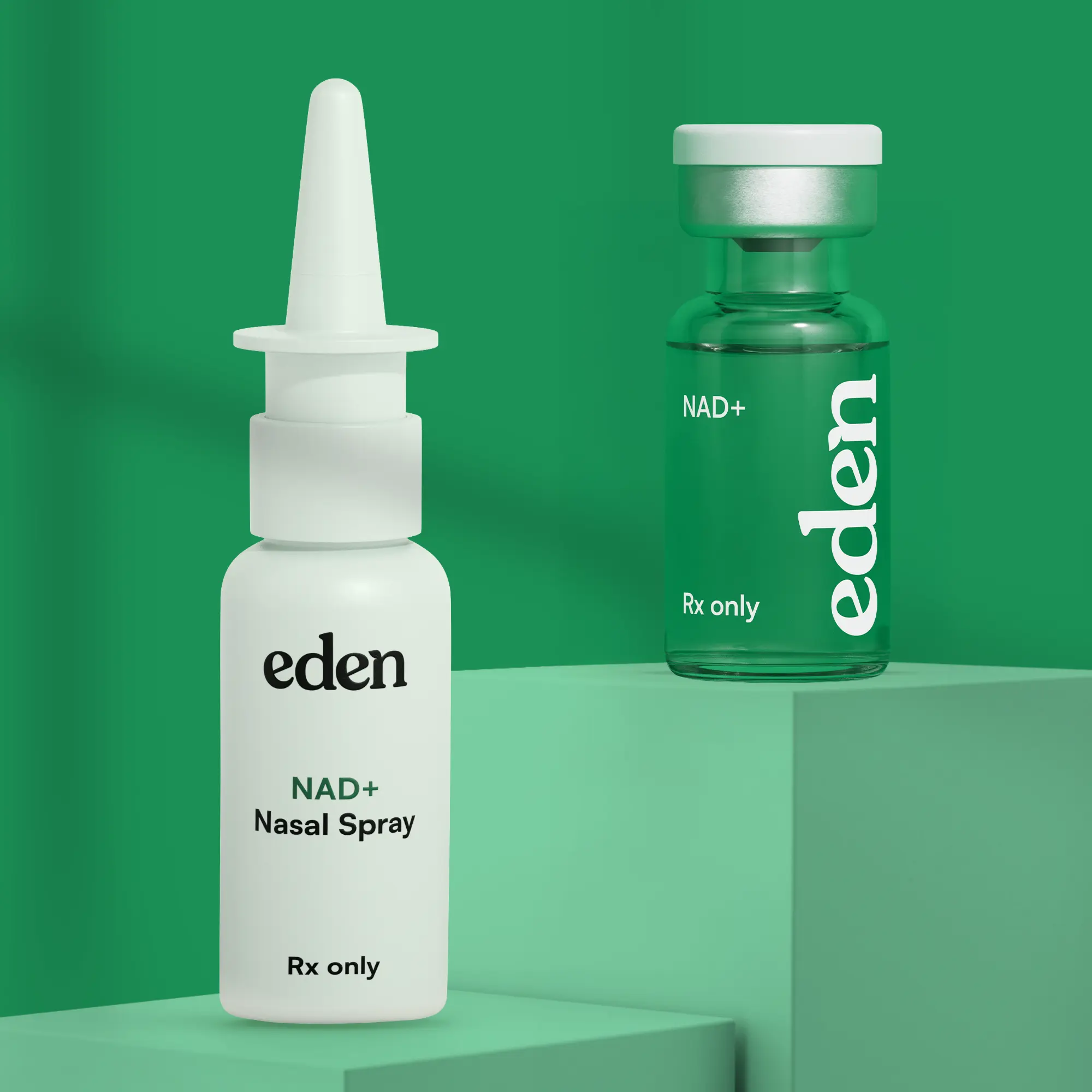
NAD+ products come in two main forms, including oral precursors (such as NMN, NR, nicotinamide, and nicotinic acid) and direct NAD+ therapy via subcutaneous injection or nasal spray.
However, oral precursors must be converted into NAD+ through several metabolic steps, which introduces variability in bioavailability (how much of it your body can actually absorb and use). Subcutaneous injections, by contrast, deliver NAD+ directly into your bloodstream.
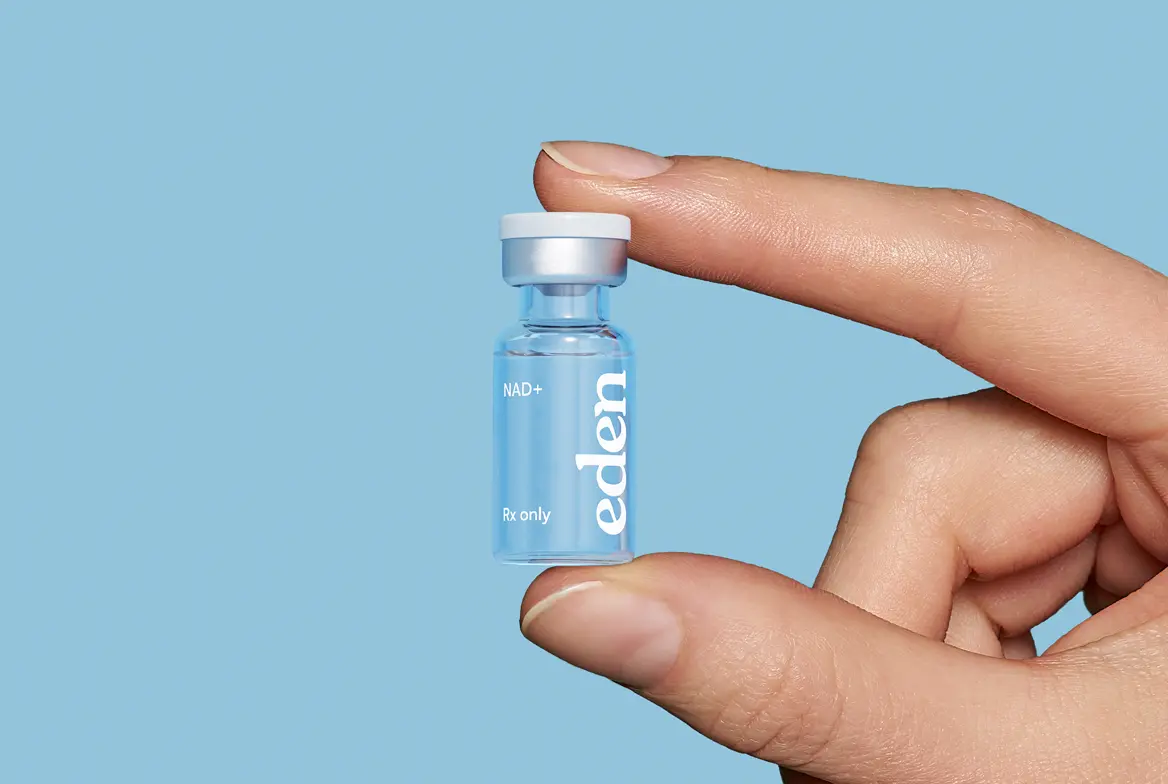
Head-to-head human studies comparing the two delivery methods are limited, so we can’t say definitively that one is superior to the other. With that said, differences in delivery and absorption are one reason why some providers offer injectable options for therapeutic support. Eden’s NAD+ Injections Rx program, for example, connects patients with licensed healthcare providers who may prescribe compounded NAD+ therapy when clinically appropriate.
As with any therapy, the best approach is one that’s specific to you and made alongside a licensed provider.
Who May Benefit From NAD+ Therapy for Metabolic Support?
You may be a reasonable candidate for NAD+ therapy if:
- You’re an adult who’s noticed age-related declines in energy, recovery, or metabolic efficiency.
- You have a history of metabolic dysfunction or insulin resistance and are working with a provider on cellular-level support.
- You’re already engaged in consistent diet and exercise routines, but want to support NAD+ and metabolism at the mitochondrial level.
- You’re using or transitioning from GLP-1 therapies and are exploring complementary metabolic support.
For readers who don’t fit a GLP-1 protocol or prefer non-injectable options, Eden’s Custom Weight Loss Kit offers another pathway that may be worth discussing with a provider.
At the same time, NAD+ isn’t right for everyone. Your eligibility should be determined by a licensed healthcare provider who can first assess your health history and status.
Whatever the entry point, the best first move is to gain an understanding of where your metabolism currently stands. Tools like Eden’s TDEE calculator can give you a useful baseline before a consultation.
How to Get Started With NAD+ Therapy
The very first step should be a consultation with a licensed provider. They can review your health history, your goals, and any contraindications, and help you decide whether NAD+ therapy makes sense and what delivery method, dose, and schedule may work best.
Eden makes this process simple, starting with a brief online intake. Following this, Eden connects you with a licensed provider, who will determine the best plan for you. If NAD+ is prescribed, your treatment plan may include pharmacy-compounded medication (third-party tested for potency, sterility, and pH), home delivery, and 24/7 provider messaging if questions arise along the way. Plans are FSA- and HSA-eligible, with no surprise fees. Learn more about Eden’s NAD+ program whenever you’re ready.









The FDA does not approve compounded medications for safety, quality, or manufacturing. Prescriptions and a medical evaluation are required for certain products. The information provided on this blog is for general informational purposes only. It is not intended as a substitute for professional advice from a qualified healthcare professional and should not be relied upon as personal health advice. The information contained in this blog is not meant to diagnose, treat, cure, or prevent any disease. Readers are advised to consult with a qualified healthcare professional for any medical concerns, including side effects. Use of this blog's information is at your own risk. The blog owner is not responsible for any adverse effects or consequences resulting from the use of any suggestions or information provided in this blog.
Eden is not a medical provider. Eden connects individuals with independent licensed healthcare providers who independently evaluate each patient to determine whether a prescription treatment program is appropriate. All prescriptions are written at the sole discretion of the licensed provider. Medications are filled by state-licensed pharmacies. Please consult a licensed healthcare provider before making any medical decisions.
Frequently asked questions
Does NAD+ help you lose weight?

NAD+ isn’t a weight loss drug, but it may support the cellular processes involved in how your body uses and stores energy.
How long does it take to notice changes from NAD+ therapy?
Timelines vary widely depending on individual biology, dosing, and delivery method. Some individuals report changes in energy or recovery within a few weeks, while shifts in metabolic markers typically take longer. Your provider can give you a realistic timeline based on your specific plan.
Are there side effects to NAD+ injections?
Most reported side effects are mild and may include injection site irritation, flushing, mild nausea, or temporary fatigue. More significant reactions are uncommon but possible, so supervised use through a licensed provider is recommended.
Can NAD+ be used alongside GLP-1 medications like semaglutide or tirzepatide?
Some patients use NAD+ as complementary metabolic support while on GLP-1 therapy, but any combination of treatments should be reviewed by a licensed provider to assess interactions, dosing, and overall suitability.
Related articles










Baichuan, Y., Gomes Reis, M., Tavakoli, S., Khodadadi, N., Sohouli, M. H., & Sernizon Guimarães, N. (2023). The effects of NAD+ precursor (nicotinic acid and nicotinamide) supplementation on weight loss and related hormones: a systematic review and meta-regression analysis of randomized controlled trials. Frontiers in nutrition, 10, 1208734. https://pmc.ncbi.nlm.nih.gov/articles/PMC10579603/
Covarrubias, A. J., Perrone, R., Grozio, A., & Verdin, E. (2021). NAD+ metabolism and its roles in cellular processes during ageing. Nature reviews. Molecular cell biology, 22(2), 119–141. https://pubmed.ncbi.nlm.nih.gov/33353981/
Escalante-Covarrubias, Q., Mendoza-Viveros, L., González-Suárez, M., Sitten-Olea, R., Velázquez-Villegas, L. A., Becerril-Pérez, F., Pacheco-Bernal, I., Carreño-Vázquez, E., Mass-Sánchez, P., Bustamante-Zepeda, M., Orozco-Solís, R., & Aguilar-Arnal, L. (2023). Time-of-day defines NAD+ efficacy to treat diet-induced metabolic disease by synchronizing the hepatic clock in mice. Nature communications, 14(1), 1685. https://pmc.ncbi.nlm.nih.gov/articles/PMC10043291/
Imai, S., & Guarente, L. (2014). NAD+ and sirtuins in aging and disease. Trends in cell biology, 24(8), 464–471. https://pmc.ncbi.nlm.nih.gov/articles/PMC4112140/
Thank you!
We'll be in touch.
Thank you!