
Hair Loss Causes: Why Hair Thinning Happens and What to Do Next


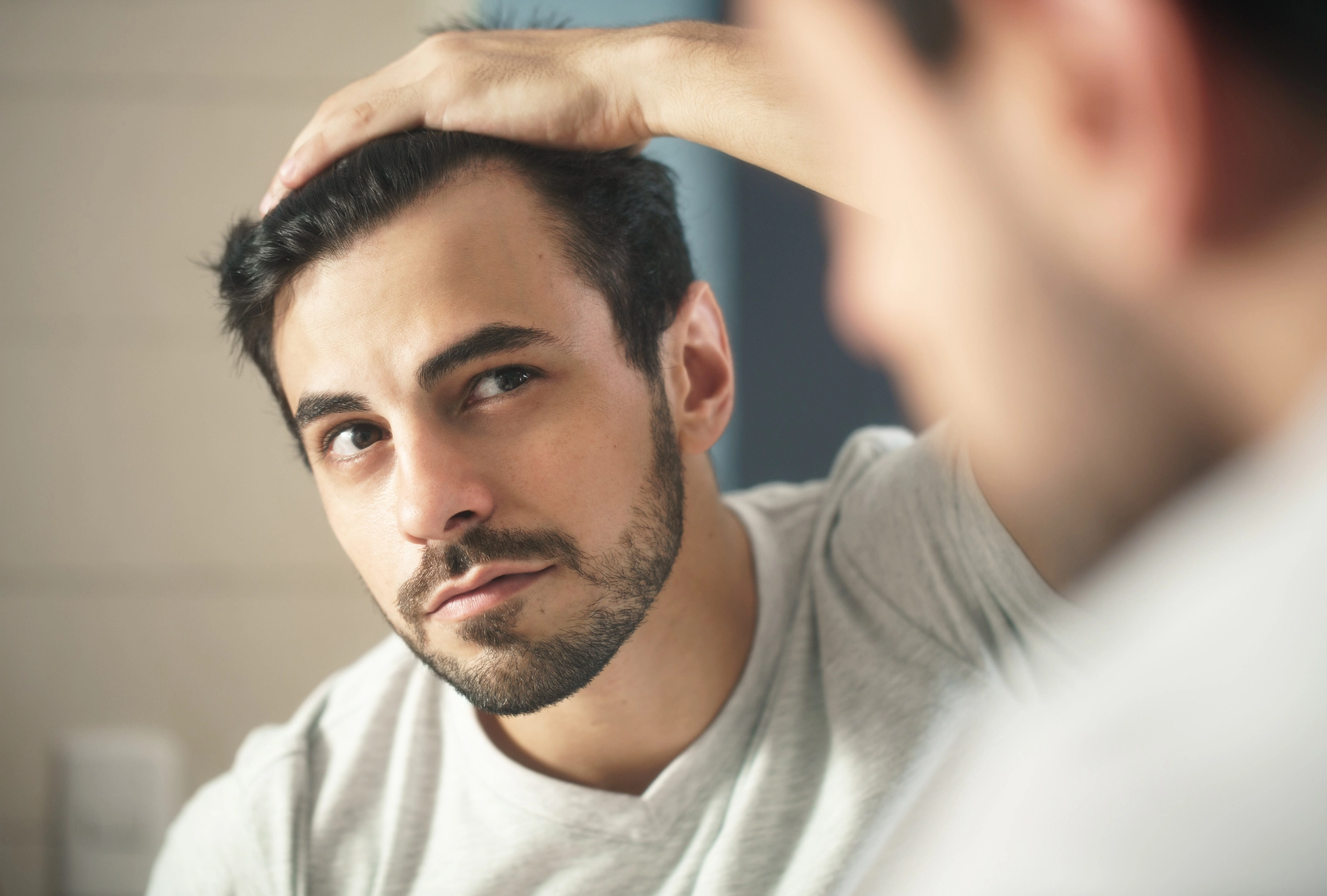

Hormonal shifts, nutritional gaps, stress, and genetics are all common hair loss causes. Learn what’s behind thinning hair and when to talk to a provider.
- Hair loss causes range from temporary and reversible, and impact both men and women.
- Where and how your hair is thinning may determine the appropriate treatment option for your situation; patterned, diffuse, and patchy loss each point toward different underlying causes.
- Many common causes of hair thinning, including telogen effluvium, iron or vitamin D deficiency, and postpartum shedding, may improve once the underlying trigger is identified and addressed.
- Hormonal changes (including thyroid disorders, pregnancy, perimenopause, and DHT sensitivity) and nutritional gaps are among the most common, and most correctable, causes of hair shedding.
- Stress-related shedding is often delayed, typically beginning two to four months after the triggering event, which is why many people don’t connect the two.
- Since several causes can only be confirmed through bloodwork, a licensed healthcare provider is the most reliable way to identify what’s driving your hair loss.
This article is for general informational purposes only and is not a substitute for professional medical advice, diagnosis, or treatment. Always talk with a licensed healthcare provider before starting, changing, or stopping any medication or therapy.
Maybe you’ve noticed more hair in your shower drain, a wider part, or your hairline creeping back farther over time. It can be alarming, to say the least.
Yet, hair loss is one of the most common concerns adults bring to their providers, affecting both men and women—sometimes as early as 20 or 30 years of age.
The causes range from temporary and fully reversible to chronic and progressive. But some daily shedding is completely normal. According to the American Academy of Dermatology (AAD), it’s typical to lose roughly 50 to 100 hairs a day.
With that said, noticeable thinning, a change in your part, or patchy loss usually signals something worth investigating. In this article, we take a closer look at the most common categories of hair loss causes and help you figure out which may apply to your situation.
How Hair Loss Is Categorized
Hair loss generally shows up in one of three patterns, and identifying yours can point you toward the more likely explanations.
Patterned Hair Loss
Patterned hair loss refers to progressive, symmetric thinning at the hairline, crown, and temples, which is frequently hereditary. It affects both men and women, though pronounced hairline recession tends to be more common in men. Meanwhile, women often notice thinning throughout their crown and part.
Diffuse Hair Loss
Diffuse hair loss is even shedding across the entire scalp; you may notice it as more hair on your pillow, in the shower drain, or wrapped around your brush. This pattern is often triggered by an internal event such as illness, a nutritional deficiency, stress, or a hormonal change.
Focal (Patchy) Hair Loss
Focal hair loss appears as coin-sized or irregular bald patches on the scalp, face, or body. It’s less common than the other two patterns and may have an autoimmune component.
Hormonal Hair Loss Causes
Hormones are involved in the hair growth cycle, making them a very common cause of hair loss. The good news is that some hormonal hair loss causes may be evaluated with bloodwork and that a licensed provider can help identify whether hormones are a contributing factor. With that in mind, here are the most common hormonal causes.
Androgenetic Alopecia (Genetic/Hormonal Pattern Hair Loss)
Androgenetic alopecia is the most common form of hair loss worldwide, impacting both men and women. The mechanism involves a hormone called dihydrotestosterone (DHT), which is derived from testosterone.
In people who are genetically sensitive to it, DHT binds to hair follicles and gradually causes them to shrink (a process called miniaturization), producing progressively thinner, shorter hairs until, over time, the follicle may stop producing visible hair altogether.
Contrary to a common myth, this type of hair loss isn’t inherited only from your mother’s side; the genetics are more complicated than that. Onset typically occurs after puberty and becomes more pronounced with age.
While androgenetic alopecia is progressive, it isn’t hopeless; treatments exist that may slow the process or promote regrowth in some people, especially when started earlier.
Thyroid Disorders
Both hypothyroidism (an underactive thyroid) and hyperthyroidism (an overactive thyroid) may disrupt the hair growth cycle and lead to diffuse thinning across the scalp.
Thyroid hormones help regulate how quickly cells grow and turn over, including the cells in your hair follicles. When thyroid function is off, your follicles may enter their resting phase prematurely.
Yet, thyroid-related hair loss is typically reversible once thyroid levels are brought back into range; if you suspect your thyroid, a licensed provider can order the relevant bloodwork.
Postpartum and Pregnancy-Related Hair Loss
Many women experience noticeable shedding in the two to four months after childbirth—and it can be alarming if you don’t know it’s coming. So, why does it happen?
During pregnancy, elevated estrogen extends the hair’s growth phase, which is why hair often feels thicker and fuller. After delivery, estrogen drastically declines, and a large number of hairs shift into the shedding phase all at once. This is a form of telogen effluvium, which is typically temporary and usually resolves on its own within 6 to 12 months.
It’s also worth noting that nutritional depletion during and after pregnancy, particularly of iron and vitamin D, may compound this type of hair shedding.
Menopause and Perimenopause
Declining estrogen and progesterone during perimenopause and menopause may cause hair to thin, often most visibly at the crown and along the part. As estrogen falls, the relative influence of androgens, such as DHT, on hair follicles increases. And this may accelerate follicle miniaturization in women who are genetically predisposed.
This is a common—and frequently underdiscussed—part of the hormonal transition, and it can feel especially frustrating when it arrives alongside other symptoms.
Nutritional Causes of Hair Thinning
Hair follicles are some of the most active cells in your body, meaning they’re quick to react to gaps in your nutrition. However, many nutritional causes of hair thinning may improve once an underlying deficiency is identified and appropriately treated.
Iron Deficiency
Iron deficiency, with or without anemia, is one of the most common and most frequently overlooked nutritional hair loss causes, particularly in women. It often leads to diffuse shedding.
Iron is required to produce hemoglobin, which carries oxygen to your hair follicle cells. When iron stores run low, the body may deprioritize follicles. And this pushes your hairs into a resting and shedding phase.
Serum ferritin, not just hemoglobin, is an important marker to test here. Many people with hair-loss-related iron deficiency have ferritin that technically falls within the “normal” range but is still suboptimal for hair growth. Ask your provider whether checking ferritin may be appropriate to determine if it could be contributing to your hair loss.
Vitamin D Deficiency
Vitamin D deficiency is extremely common—especially in northern climates and among people who spend limited time outdoors—and it’s easily identified with a blood test. But how does this relate to hair thinning or loss?
Surprisingly, vitamin D receptors are present in hair follicles and appear to play a role in the growth cycle. Low vitamin D levels have been associated with telogen effluvium and alopecia areata in research settings, though the exact mechanism remains under study.
If a deficiency is confirmed, supplementation under provider guidance may help.
Protein and Caloric Restriction
Hair is made almost entirely of keratin, a protein. This means that inadequate protein intake or severe caloric restriction may impair your hair shaft production.
In fact, crash diets and rapid weight loss are a well-documented trigger for telogen effluvium, with shedding typically beginning two to three months after the period of restriction. This is worth keeping in mind if you're pursuing a weight loss program; ultimately, gradual, nutritionally adequate weight loss may reduce the likelihood of significant hair shedding.
Zinc, Biotin, and Other Micronutrients
Zinc is involved in hair tissue growth and repair. And a zinc deficiency may cause thinning along with a dry, flaky scalp.
Meanwhile, biotin, a B vitamin involved in keratin production, is heavily marketed for hair growth—but true biotin deficiency is actually quite rare. Evidence associated with biotin supplements for hair growth is largely limited to individuals with a confirmed deficiency; routine supplementation without one is unlikely to produce noticeable results, which is why a proper evaluation with a licensed healthcare provider is important.
Stress-Related Hair Shedding
Among all the hair shedding causes people search for, stress is one of the most common—and one of the most misunderstood, largely because of its timing. Stress-related shedding is usually delayed, which means it’s hard to pinpoint it as a direct cause.
Telogen Effluvium: What It Is and Why It Happens
The hair growth cycle moves through three phases:
- A growth phase (anagen)
- A brief transition phase (catagen)
- A resting-and-shedding phase (telogen).
Under normal conditions, roughly 85 to 90% of your hairs are in the growth phase at any given time. A significant physical or emotional stressor, however, may shock a large number of follicles into the resting phase all at once. And because of the cycle’s timing, the visible shedding shows up around two to four months later.
But many people don’t connect today's shedding to something that happened last season. Common triggers may include severe illness (including COVID-19), major surgery, high fever, significant emotional trauma, and rapid weight loss.
The good news is that telogen effluvium typically resolves within 6 to 9 months once the trigger has passed, though ongoing unaddressed stress may keep the cycle going.
Chronic Stress and Ongoing Shedding
When the trigger isn’t a single event but persistent, ongoing stress, shedding may become chronic. Sustained stress elevates cortisol, which may disrupt the hair growth cycle over time.
And this form of shedding can be harder to resolve. However, stress management, when appropriate, alongside any medical treatment, may play a meaningful part in your hair health strategy.
Medication-Related Hair Loss
A number of commonly prescribed medications list hair loss as a possible side effect. Most often, this shows up as drug-induced telogen effluvium, and less commonly as anagen effluvium (shedding during the growth phase). If you suspect a medication is contributing, however, don’t stop the medication without consulting a licensed healthcare provider. A provider can evaluate whether an alternative medication or a dose adjustment may be appropriate.
Medications sometimes associated with hair loss include:
- Anticoagulants (such as warfarin and heparin): These may disrupt the hair growth cycle, usually presenting as telogen effluvium.
- Beta-blockers (such as propranolol): These types of medications are associated with diffuse thinning, though the mechanism isn’t fully established.
- Antidepressants and mood stabilizers (such as fluoxetine, lithium, and valproate): These drugs are linked to telogen effluvium in some people.
- Retinoids (high-dose vitamin A derivatives): Excess vitamin A is a well-documented cause of shedding.
- Hormonal contraceptives: Stopping estrogen-containing oral contraceptives may trigger a temporary shedding phase as estrogen drops, much like postpartum hair loss.
- Chemotherapy agents: These may cause anagen effluvium, a rapid, diffuse hair loss during the growth phase, since they affect rapidly dividing cells. But this is typically temporary.
Autoimmune and Medical Causes
Some hair loss stems from autoimmune activity or an underlying medical condition, such as alopecia areata or certain scalp conditions.
Alopecia Areata
Alopecia areata is an autoimmune condition where the immune system mistakenly attacks hair follicles, causing patchy loss on the scalp, face, or body. It can affect anyone regardless of age, sex, or ethnicity. It’s also associated with other autoimmune conditions including thyroid disease, psoriasis, and atopic dermatitis.
With this condition, however, the hair follicles usually aren’t permanently destroyed. In milder, patchy forms, spontaneous regrowth is common; studies report that roughly 34-50% of people recover within a year. Yet, recurrence is common, and this varies from person to person.
Treatment options may include corticosteroid injections into affected areas and newer JAK inhibitor medications. If you suspect this type of hair loss, a provider or dermatologist evaluation can help determine what’s actually going on and the next best step.
Scalp Conditions (Seborrheic Dermatitis, Psoriasis, Tinea Capitis)
Inflammatory scalp conditions may disrupt the local environment your hair needs to grow. For example, seborrheic dermatitis (the inflammation behind persistent dandruff) and scalp psoriasis may contribute to temporary shedding, especially when inflammation is left unmanaged.
Additionally, tinea capitis (scalp ringworm, a fungal infection) is the most common cause of patchy hair loss in children, but it can affect adults too. These conditions are typically treatable, and the associated hair loss may improve with prompt, appropriate care.
Physical and Mechanical Causes of Hair Loss
Surprisingly, how you style your hair may be driving your hair loss.
Traction Alopecia
Traction alopecia results from repeated tension on the follicles, commonly from tight hairstyles, such as braids, ponytails, extensions, or weaves. Over time, this constant pulling may damage follicles and lead to thinning along the hairline and temples.
When caught early, traction alopecia is often reversible once the tension is removed. But prolonged traction may cause permanent scarring. If you regularly wear tight styles, varying them and giving your follicles regular rest may help protect your hairline.
Over-Processing and Heat Damage
Chemical processing (bleaching, perming, relaxing) and excessive heat styling don’t typically cause hair loss at the follicle. Instead, they damage the hair shaft, leading to breakage. Breakage may mimic thinning and contribute to the appearance of hair loss, but it’s a different problem from true, follicle-level shedding.
When to Talk to a Provider About Hair Loss
Consider reaching out to a licensed provider if you’re experiencing:
- Shedding that has persisted for more than three months without an obvious trigger
- Patchy or asymmetric hair loss
- Hair loss alongside other symptoms (such as fatigue, weight changes, skin changes, or irregular periods) that may point to an underlying condition
- Hair loss that’s causing emotional distress or affecting your quality of life
- Any hair loss in children
A provider evaluation usually involves a review of your health history, a scalp examination, and targeted bloodwork (often ferritin, a thyroid panel, and hormonal markers) to identify potentially treatable causes. Eden connects you with licensed providers; our process starts with a brief online intake. Once connected, your provider will perform a thorough evaluation. From there, they’ll determine the next best step for you, such as Eden's Hair Growth Treatments, minoxidil, or another approach.






Prescriptions and a medical evaluation are required for certain products. The information provided on this blog is for general informational purposes only. It is not intended as a substitute for professional advice from a qualified healthcare professional and should not be relied upon as personal health advice. The information contained in this blog is not meant to diagnose, treat, cure, or prevent any disease. Readers are advised to consult with a qualified healthcare professional for any medical concerns, including side effects. Use of this blog's information is at your own risk. The blog owner is not responsible for any adverse effects or consequences resulting from the use of any suggestions or information provided in this blog.
Eden is not a medical provider. Eden connects individuals with independent licensed healthcare providers who independently evaluate each patient to determine whether a prescription treatment program is appropriate. All prescriptions are written at the sole discretion of the licensed provider. Medications are filled by state-licensed pharmacies. Please consult a licensed healthcare provider before making any medical decisions.
Frequently asked questions
What is the main cause of hair loss?

The most common cause worldwide is androgenetic alopecia, a genetic, DHT-driven pattern hair loss. However, it varies from person to person, which is why a proper healthcare provider assessment is important.
Can hair loss be reversed?
It depends on the cause. Stress-related shedding, nutritional deficiencies, postpartum shedding, and thyroid-related loss may improve or resolve once the trigger is addressed. Genetic pattern hair loss is progressive, but treatment may slow it or partially restore growth, especially when started early.
Do men and women lose hair for different reasons?
Both can experience androgenetic alopecia, though men more often see hairline recession and women more often notice crown and part thinning. Women are also more prone to shedding tied to iron deficiency, postpartum changes, and perimenopause.
American Academy of Dermatology (AAD). (n.d.). HAIR LOSS: OVERVIEW. https://www.aad.org/public/diseases/hair-loss/causes/fall-out
Chen, S., Li, L., Ding, W., Zhu, Y., & Zhou, N. (2025). Androgenetic Alopecia: An Update on Pathogenesis and Pharmacological Treatment. Drug design, development and therapy, 19, 7349–7363. https://pmc.ncbi.nlm.nih.gov/articles/PMC12380480/
Hussein, R. S., Atia, T., & Bin Dayel, S. (2023). Impact of Thyroid Dysfunction on Hair Disorders. Cureus, 15(8), e43266. https://pmc.ncbi.nlm.nih.gov/articles/PMC10492440/
Lepe, K., Syed, H. A., & Zito, P. M. (2024, February 8). Alopecia areata. StatPearls - NCBI Bookshelf. https://www.ncbi.nlm.nih.gov/books/NBK537000/
Thank you!
We'll be in touch.
Thank you!