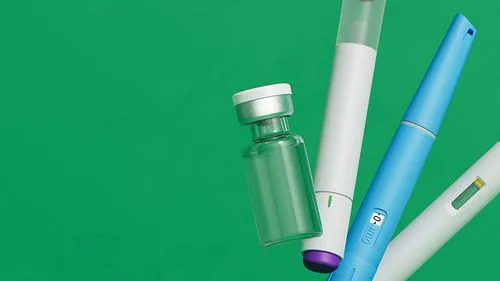

Can You Switch From Injectable GLP-1s to a Pill Like Foundayo?


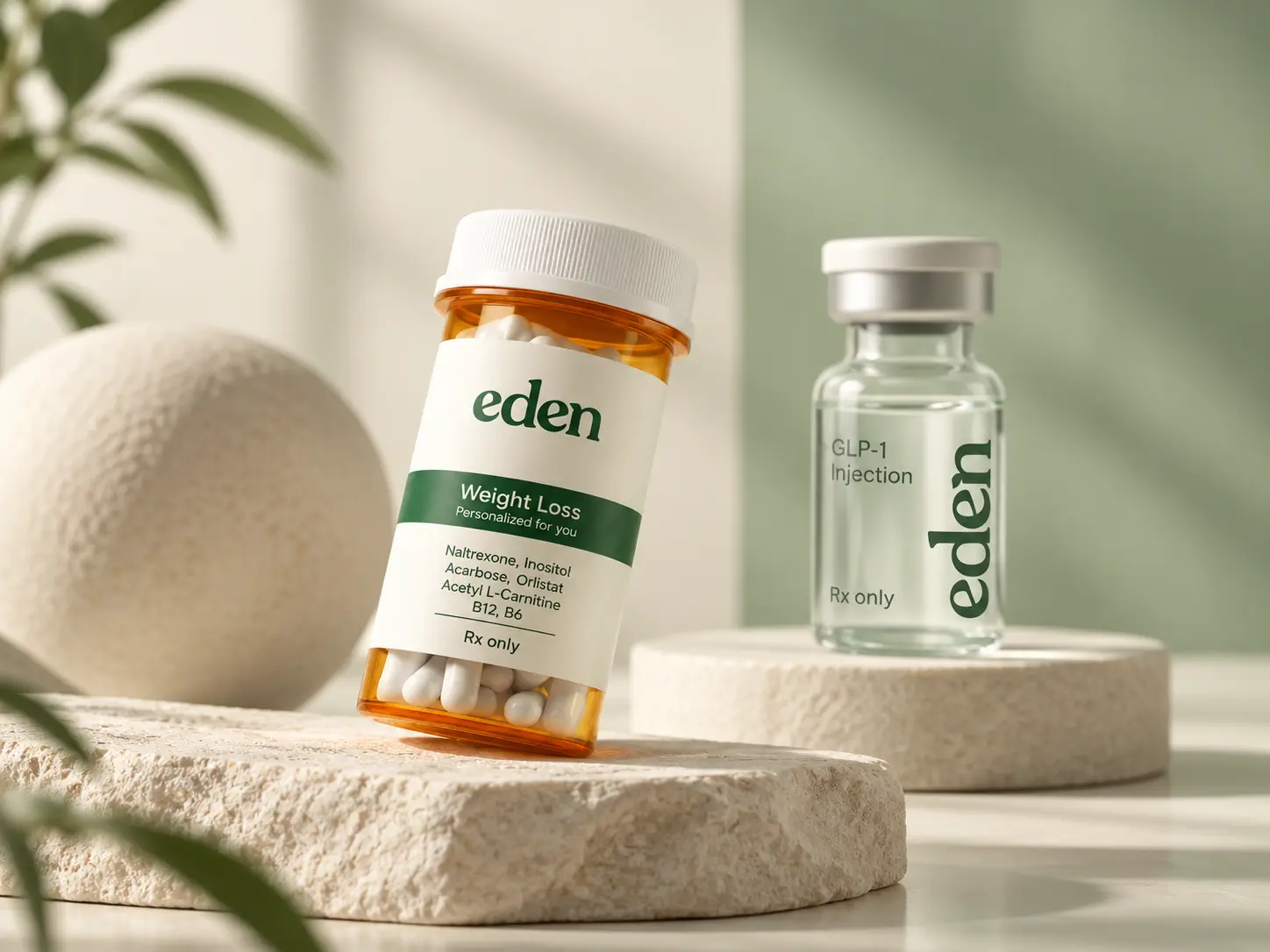

Considering a switch from GLP-1 injection to a pill like Foundayo? Learn how the transition works, what dosing looks like, and when to talk to a provider.
Key Takeaways
- Whether you can switch from a GLP-1 injection to a pill is a clinical decision, not a personal preference, and it starts with a licensed provider reviewing your dose, progress, and health history.
- Foundayo (orforglipron) is a once-daily oral GLP-1 receptor agonist. It’s a small-molecule medication, which makes it a different drug from injectable tirzepatide and from semaglutide.
- There is no milligram-to-milligram conversion between an injection and a pill. Since they’re different medications, Foundayo follows its own dosing and titration schedule, as directed by a licensed provider.
- A daily pill may suit some routines better than a weekly shot. Foundayo can be taken any time of day, with or without food.
- For individuals who have reached their goal weight, an oral option may be worth discussing as part of a GLP-1 maintenance plan, but it’s not automatically the right next step for everyone.
- Eden can connect you with licensed healthcare providers who can help you weigh these options with transparent pricing and no dose-based price increases. Always talk with a licensed provider before changing any part of your GLP-1 regimen.
This article is intended for educational informational purposes only and is not a substitute for professional medical advice, diagnosis, or treatment. Always talk with a licensed healthcare provider before starting, changing, or stopping any medication.
What Is Foundayo? And How Is It Different From Injectable GLP-1s?
Foundayo (orforglipron) is a once-daily oral medication the FDA approved in April 2026 for chronic weight management in certain adults. It’s a GLP-1 receptor agonist, meaning it activates the same appetite-regulating pathway that popular injectables target.
However, Foundayo is a small-molecule, non-peptide drug, which is why it can be taken as an everyday tablet.
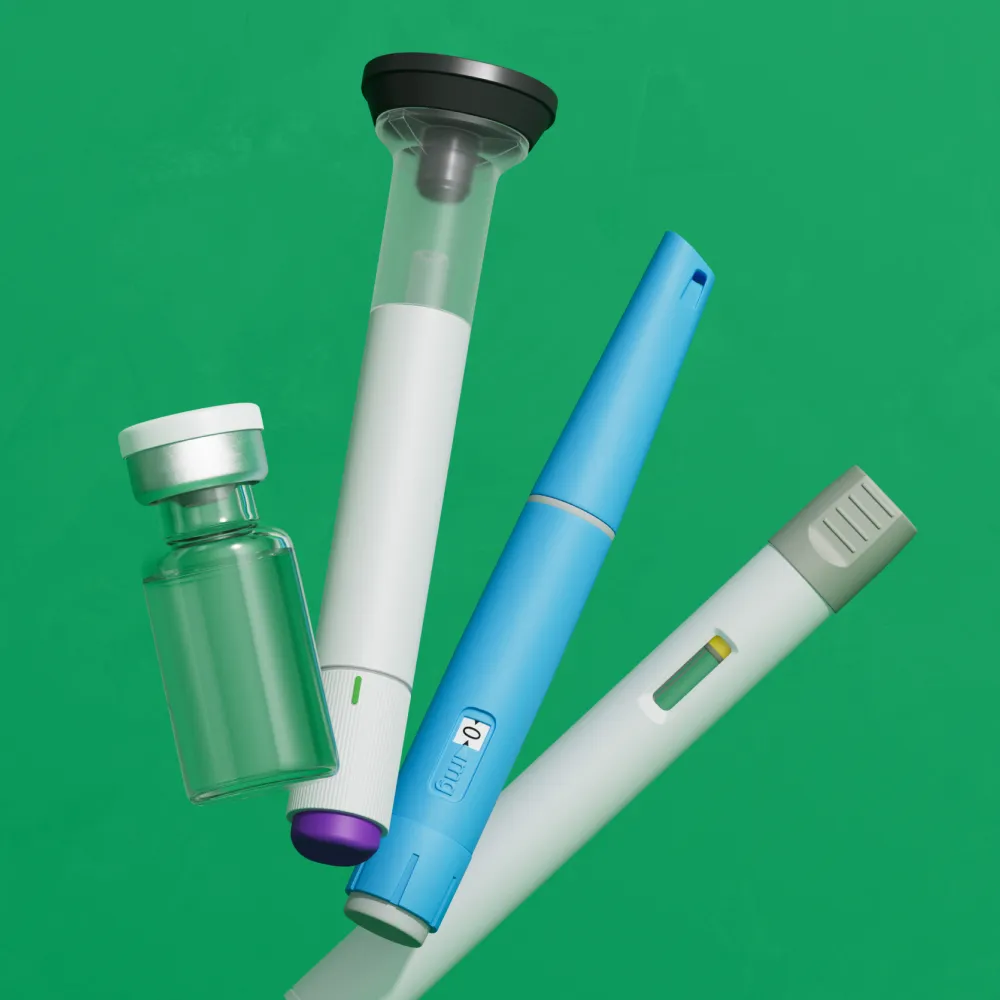
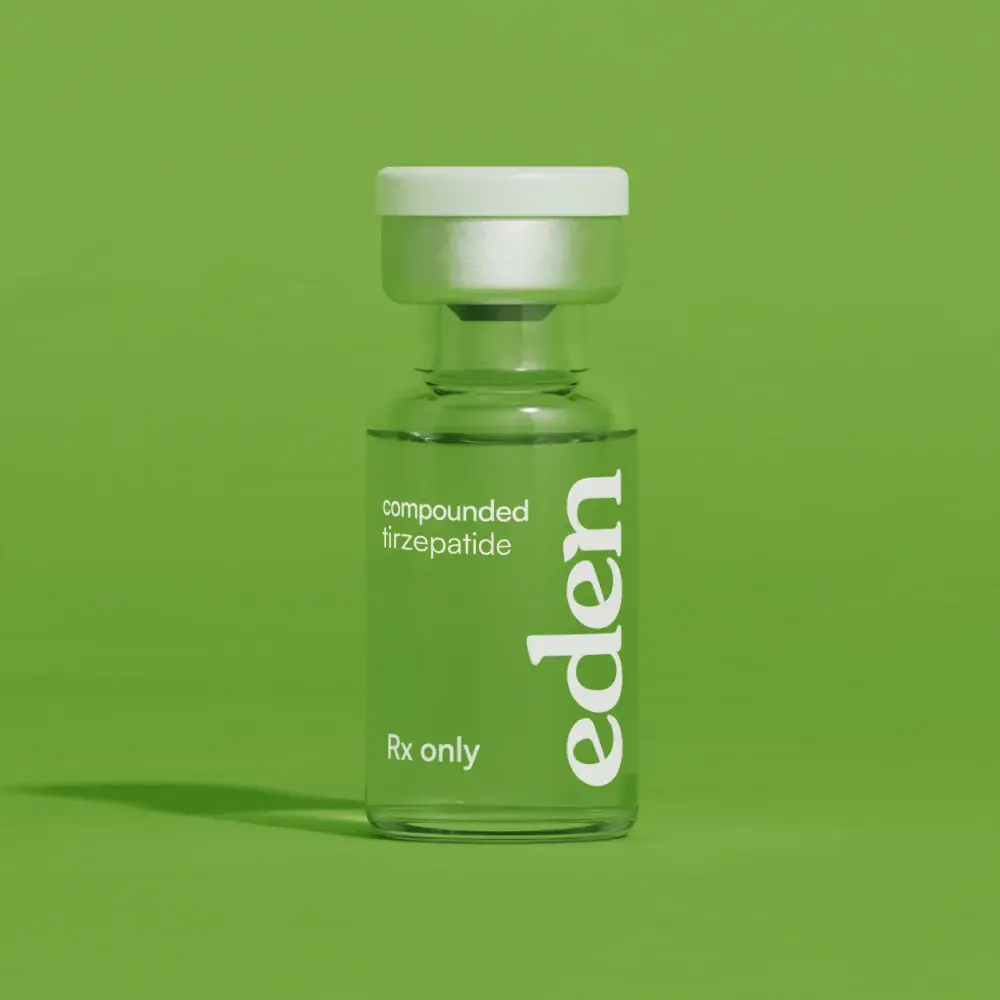
Foundayo is not tirzepatide, the active ingredient in Zepbound® and Mounjaro®. Tirzepatide is a peptide and a dual agonist that works on two hormone pathways (GIP and GLP-1), and it is given as a weekly injection.
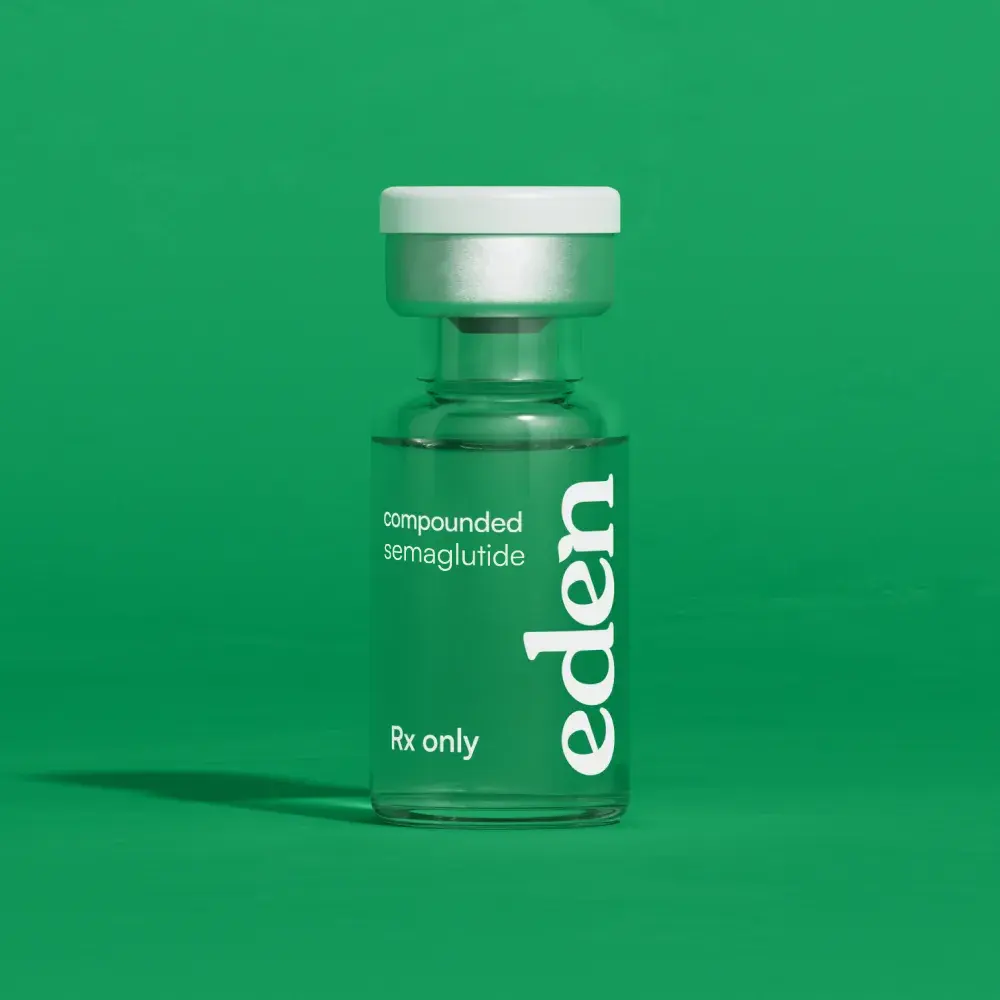
In contrast, Foundayo works on the single GLP-1 pathway. It’s also a different drug from the Wegovy® pill (oral semaglutide), even though both come as tablets. In other words, switching to Foundayo isn’t simply putting your current injection into pill form. It’s a switch to a distinct medication.
Why Someone on Injections Might Consider Switching to a Pill
Several understandable reasons might lead a current injectable user to explore an oral option, such as:
- Needle aversion or injection fatigue: Research suggests up to around 1 in 4 adults have some fear of needles, and even individuals who tolerate weekly injections well can grow tired of the routine after several months. A pill removes the needle from the equation entirely.
- Lifestyle and travel convenience: Injectable GLP-1s generally require refrigeration and careful handling. Foundayo, however, does not need refrigeration and can be taken with or without food at any time of day, which may be more practical for frequent travelers or unpredictable schedules.
- Transitioning into a maintenance phase: Some individuals who have achieved their weight loss goal on injections may want to explore whether a lower-intensity or different-format GLP-1 is appropriate for long-term GLP-1 maintenance. But it’s worth noting that not everyone will be a candidate for a format change during maintenance.
- Cost: Out-of-pocket pricing for oral and injectable GLP-1s may vary by medication, dose, and coverage. Since prices change, always make sure to confirm current costs with your provider or pharmacy instead of assuming one format is always cheaper.
Ultimately, a licensed provider should confirm whether a switch fits your progress, your goals, and your health profile.
How a Switch From Injections to an Oral GLP-1 Actually Works
An oral GLP-1 transition, such as from an injectable to a tablet, is not a simple one-to-one substitution. Foundayo is an entirely different molecule from tirzepatide or semaglutide. This means Foundayo follows its own dosing and titration schedule, and a licensed provider should direct any transition.
Here is what a provider-guided transition typically involves:
- Stopping the injectable: Weekly injectables remain in your system for days after your last dose. This means your provider may recommend a short waiting period before you start the pill. The right timing usually depends on your medication and dose, as well as your provider’s judgment. For example, if you're considering a switch from Zepbound® to oral GLP-1 therapy, your provider will factor in how long tirzepatide stays in your system before starting the pill.
- Starting oral dosing: According to Foundayo's FDA prescribing information, treatment starts at 0.8 mg once daily. The dose increases only after at least 30 days, stepping up to 2.5 mg, then to 5.5 mg (the first maintenance dose), with further increases to 9 mg, 14.5 mg, or 17.2 mg (the maximum) as needed and tolerated. Your prior injectable dose doesn’t necessarily mean you’ll start at a higher dose.
- Retitration is expected: Since you’re effectively starting a new medication, it’s a good idea to plan for a titration period, which is meant to help limit side effects.
- Side effects may resurface: Even if you had adjusted comfortably to your injection, Foundayo can cause gastrointestinal side effects, including nausea, constipation, diarrhea, vomiting, indigestion, and abdominal pain. You should report persistent or severe symptoms to your provider.
The Oral Absorption Difference
Oral and injectable GLP-1s differ in how they’re absorbed.
Injectable semaglutide, for example, reaches the bloodstream very efficiently, with roughly 89% bioavailability. Oral peptide GLP-1s are less efficient; oral semaglutide (the Wegovy® pill) has bioavailability of around 1%, which is why it is dosed in much higher milligram numbers and taken under strict conditions.
As a small molecule rather than a peptide, Foundayo is built to survive digestion and be absorbed reliably as an ordinary tablet. But because absorption varies so much between formats, and even between the two oral drugs, there is no reliable way to translate one dose from one medication to another.
Timing and Routine Requirements for Oral GLP-1s
Oral GLP-1s come with routine considerations that do not apply to injectables, but the specifics vary by drug. For instance, the Wegovy® pill has strict requirements: it must be taken first thing in the morning on an empty stomach, with no more than 4 oz of plain water, followed by a wait of at least 30 minutes before eating, drinking anything else, or taking other medications.
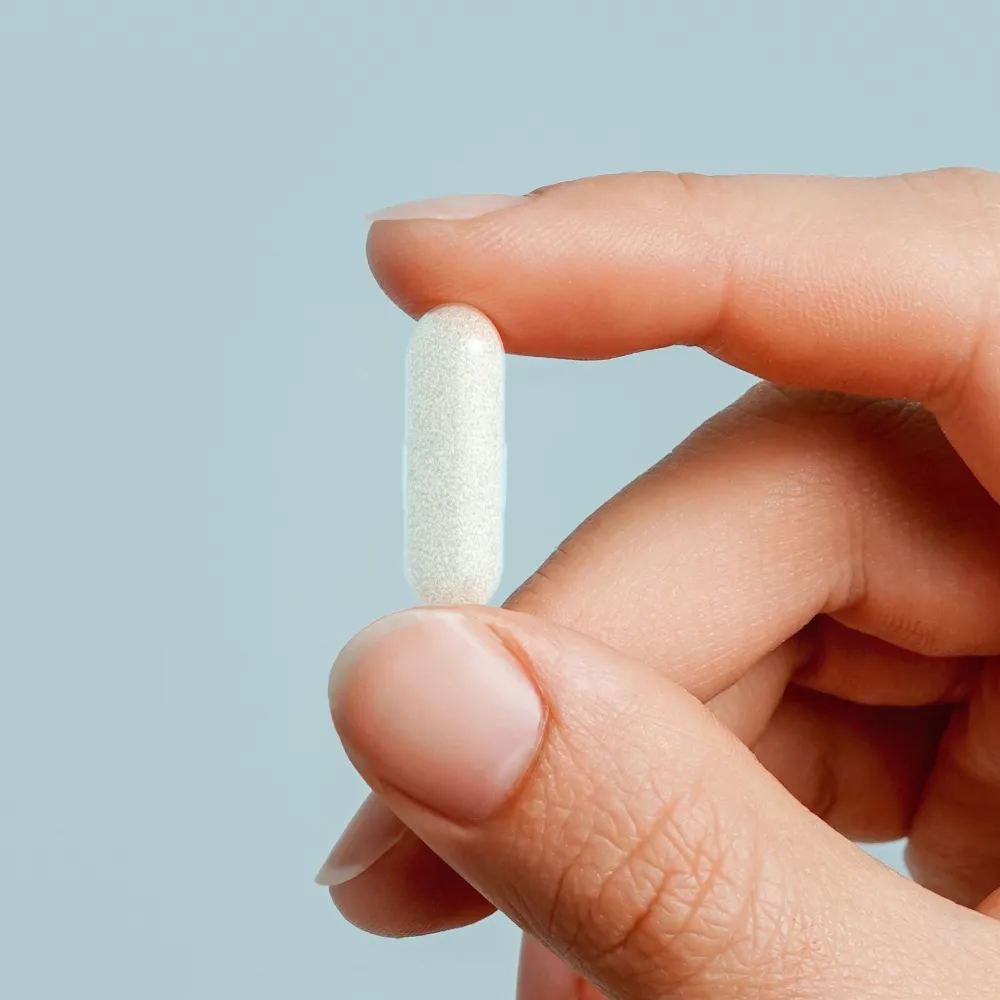
Foundayo is considerably more flexible. It can be taken at any time of day, with or without food, and does not require a fasting window or water restriction. If you’re discussing a switch from Wegovy® to Foundayo with your provider, this more convenient routine may be worth noting.
At the same time, Foundayo must still be taken daily. Additionally, Foundayo’s labeling advises restarting at a lower dose if you miss about a week, which is another reason consistency matters.
Injectables, by contrast, have no meal-timing rules at all but do require refrigeration and safe needle handling.
Is Switching Right for You? Questions to Ask Your Provider
The best way to find out whether an oral GLP-1 is appropriate for your situation is to arrive prepared for your discussion with a licensed provider. Consider asking:
- Given my current dose and how I have responded, am I a good candidate to switch to an oral GLP-1?
- Will I need to restart titration, and how long might the transition take?
- Should I expect my progress to continue, pause, or need adjustment during the switch?
- Is there anything in my health history or medication list that makes an oral format less appropriate for me?
- If I am moving into maintenance, is an oral GLP-1 the right tool, or are there other options worth considering?
A licensed provider, including through a telehealth platform like Eden, can review your full history and help you make an informed choice that makes sense for you and your health.
When Staying on Injections Might Still Make Sense
Switching is not the right move for everyone, and there’s nothing wrong with staying on an injection that’s working well. It may make sense to stay with injectables if:
- Your current treatment is working. If you’re tolerating a weekly injection and seeing steady progress, there may be little clinical reason to change formats mid-treatment.
- A weekly schedule suits you better. For some individuals, remembering one dose a week is easier than a daily habit, especially with variable routines.
- A dual-agonist mechanism is helping you. Tirzepatide (Zepbound®, Mounjaro®) acts on two hormone pathways rather than one. If that approach is working, your provider may prefer to keep you on it.
- Your provider recommends it. Your health profile, goals, and any other conditions may indicate that staying on your current medication is best.
The goal is ultimately to be on the format that fits your body, your goals, and your life, as determined by a licensed healthcare provider.
How Eden Supports Long-Term GLP-1 Treatment Decisions
Eden can connect you with a licensed healthcare provider. Through a fully online consultation, they can review your treatment history, your goals, and your health profile, then help you determine whether a change makes clinical sense for you.
Eden’s model is designed for the long term, not just the first few months. This includes support for dose adjustments, regular check-ins, and treatment decisions as your needs evolve, with 24/7 provider messaging so you are not navigating it alone. If you’re exploring your next step, fill out our brief online intake.






Prescriptions and a medical evaluation are required for certain products. The information provided on this blog is for general informational purposes only. It is not intended as a substitute for professional advice from a qualified healthcare professional and should not be relied upon as personal health advice. The information contained in this blog is not meant to diagnose, treat, cure, or prevent any disease. Readers are advised to consult with a qualified healthcare professional for any medical concerns, including side effects. Use of this blog's information is at your own risk. The blog owner is not responsible for any adverse effects or consequences resulting from the use of any suggestions or information provided in this blog.
Eden is not a medical provider. Eden connects individuals with independent licensed healthcare providers who independently evaluate each patient to determine whether a prescription treatment program is appropriate. All prescriptions are written at the sole discretion of the licensed provider. Medications are filled by state-licensed pharmacies. Please consult a licensed healthcare provider before making any medical decisions.
Frequently asked questions
Is Foundayo the same as oral tirzepatide?

No, Foundayo contains orforglipron, a small-molecule GLP-1 receptor agonist. Meanwhile, tirzepatide (Zepbound®, Mounjaro®) is a different, injectable medication that works on two hormone pathways. They are not interchangeable.
Can I switch from my GLP-1 injection to a pill without losing progress?
It may be possible, but it depends on your dose, your response, and your goals, and it usually involves restarting titration on the new medication. A licensed provider can evaluate these factors and determine an appropriate transition plan.
Will I have to start over at the lowest dose?
Foundayo® has its own FDA-approved dosing schedule, which begins at 0.8 mg once daily and increases gradually according to the prescribing information. There is no milligram-to-milligram conversion from an injectable GLP-1 dose to Foundayo®. Your licensed provider should direct any transition.
Does Foundayo have the same strict timing rules as the Wegovy pill?
No, Foundayo® can be taken at any time of day, with or without food. The Wegovy® pill must be taken on an empty stomach with a small amount of water, followed by a waiting period before eating.
Foundayo. (2026). Highlights of prescribing information. https://www.accessdata.fda.gov/drugsatfda_docs/label/2026/220934Orig1s000lbl.pdf
Kommu, S., & Whitfield, P. (2024b, February 11). Semaglutide. StatPearls - NCBI Bookshelf. https://www.ncbi.nlm.nih.gov/books/NBK603723/
McLenon, J., & Rogers, M. A. M. (2019). The fear of needles: A systematic review and meta-analysis. Journal of Advanced Nursing, 75(1), 30–42. https://onlinelibrary.wiley.com/doi/10.1111/jan.13818
Mounjaro. (2022). Highlights of prescribing information. https://www.accessdata.fda.gov/drugsatfda_docs/label/2022/215866s000lbl.pdf
Nayak, S., Dessai, A. D., & Nayak, U. Y. (2026). Current trends in semaglutide therapy and strategies to improve its bioavailability. Expert Opinion on Drug Delivery, 23(8), 1495–1509. https://www.tandfonline.com/doi/full/10.1080/17425247.2026.2688990#d1e176
Wegovy. (2017). Highlights of prescribing information. https://www.novo-pi.com/wegovy.pdf
Zepbound. (2022). Highlights of prescribing information. https://www.accessdata.fda.gov/drugsatfda_docs/label/2023/217806s000lbl.pdf
Thank you!
We'll be in touch.
Thank you!