
Zepbound®: How It Works, Cost, Dosing & Results



- Zepbound® (tirzepatide) is FDA-approved for chronic weight management and for moderate to severe obstructive sleep apnea in adults with obesity.
- It acts on two hormone receptors (GIP and GLP-1), which may contribute to greater average weight loss in trials than the GLP-1 receptor agonist Wegovy®.
- In a 72-week trial, adults on the highest dose of Zepbound® lost an average of about 21% of their body weight, compared with about 3% on placebo.
- Zepbound® dosing starts at 2.5 mg weekly and may increase in 2.5 mg steps after at least 4 weeks at each dose, up to 15 mg.
- Zepbound® cost ranges from a list price of about $1,086 a month to self-pay options from $299, and some insured patients may pay as little as $25, if eligible for savings programs.
- Nausea, diarrhea, and vomiting are the most common side effects, especially after dose increases.
- Stopping tirzepatide often leads to weight regain, while research suggests a lower maintenance dose may help preserve much of the weight lost. A provider can help you plan for the long term.
- Whether Zepbound® is right for you is a decision that should be made with a licensed healthcare provider.
This article is for general informational purposes only and is not a substitute for professional medical advice, diagnosis, or treatment. Always talk with a licensed healthcare provider before starting, changing, or stopping any medication.
What Is Zepbound® (Tirzepatide)?
Zepbound® is the brand name for tirzepatide, an FDA-approved prescription medication manufactured by Eli Lilly.
But this may be confusing if you've done some research on GLP-1s; tirzepatide is also the active ingredient in Mounjaro®. The difference between these two comes down to what they're FDA-approved for.
The FDA approved Mounjaro® in 2022 for blood sugar control in adults with type 2 diabetes. In November 2023, the FDA approved Zepbound® for chronic weight management.
In December 2024, however, Zepbound® became the first prescription medication approved to treat moderate to severe obstructive sleep apnea (OSA) in adults with obesity.
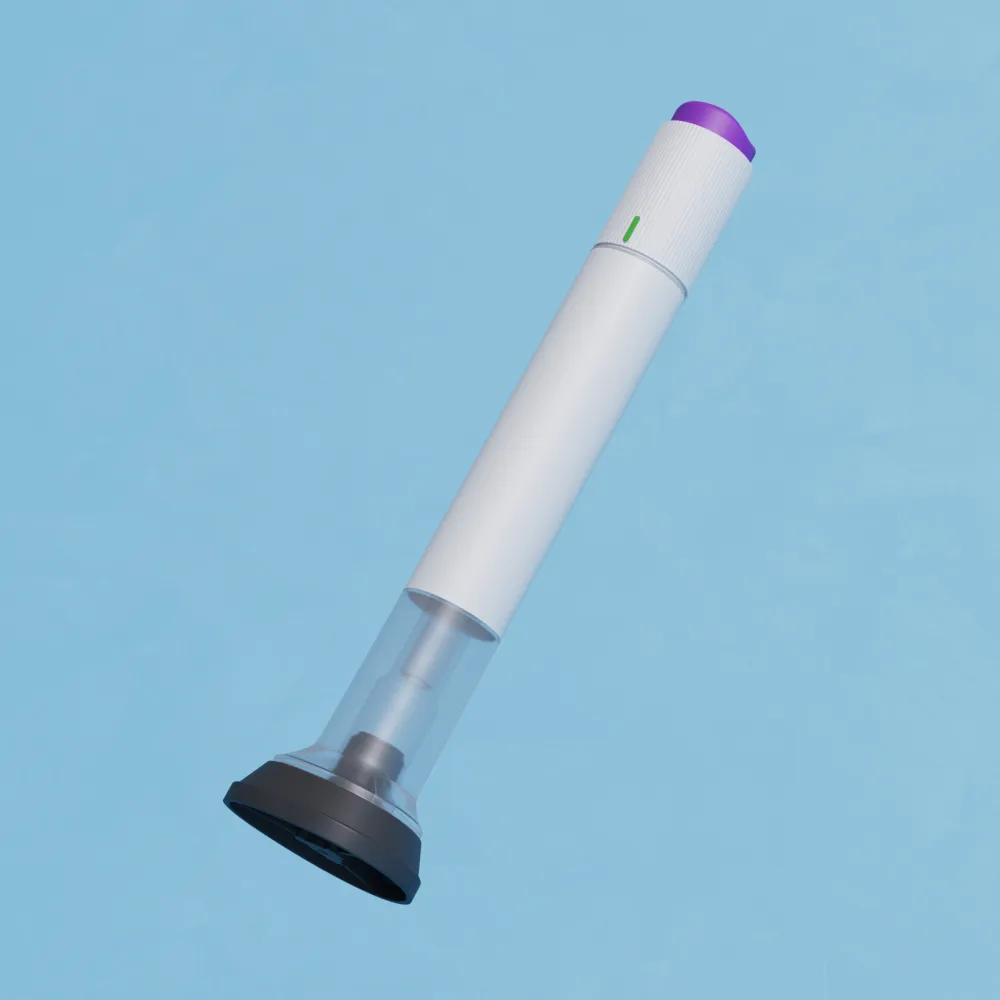
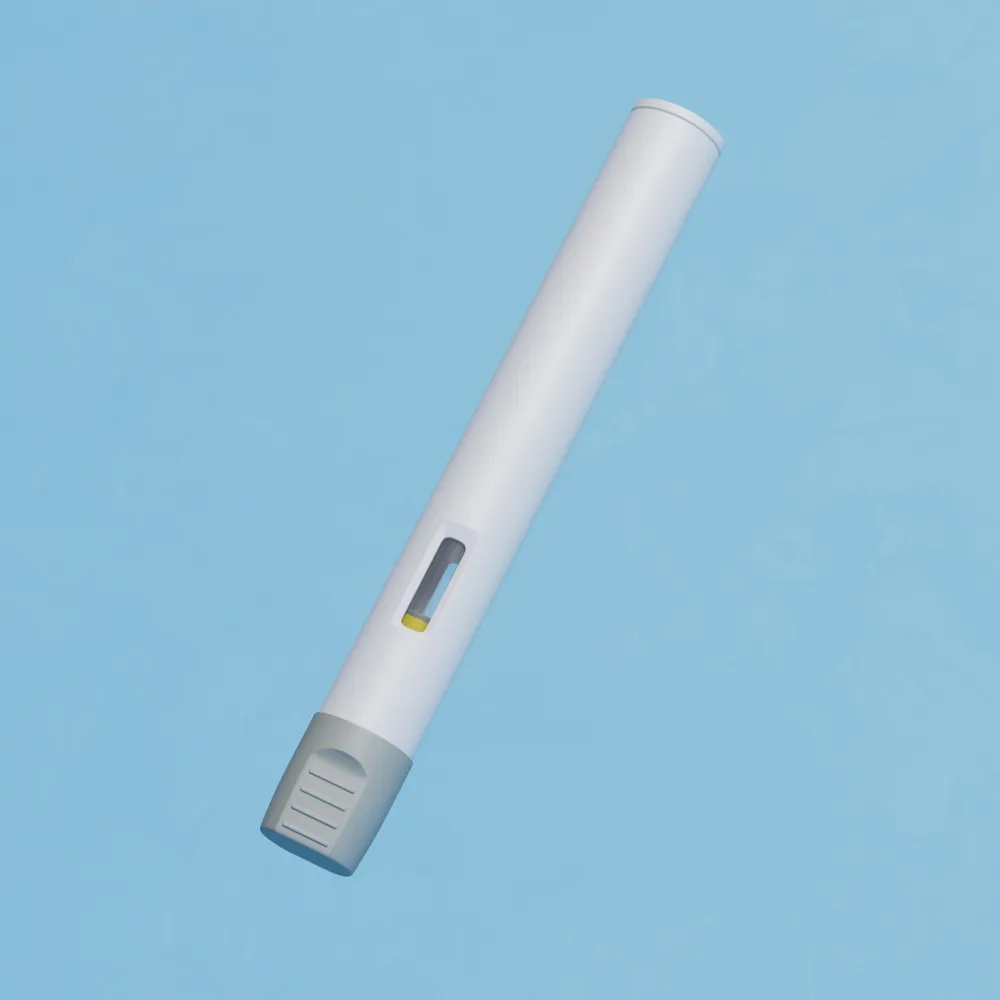
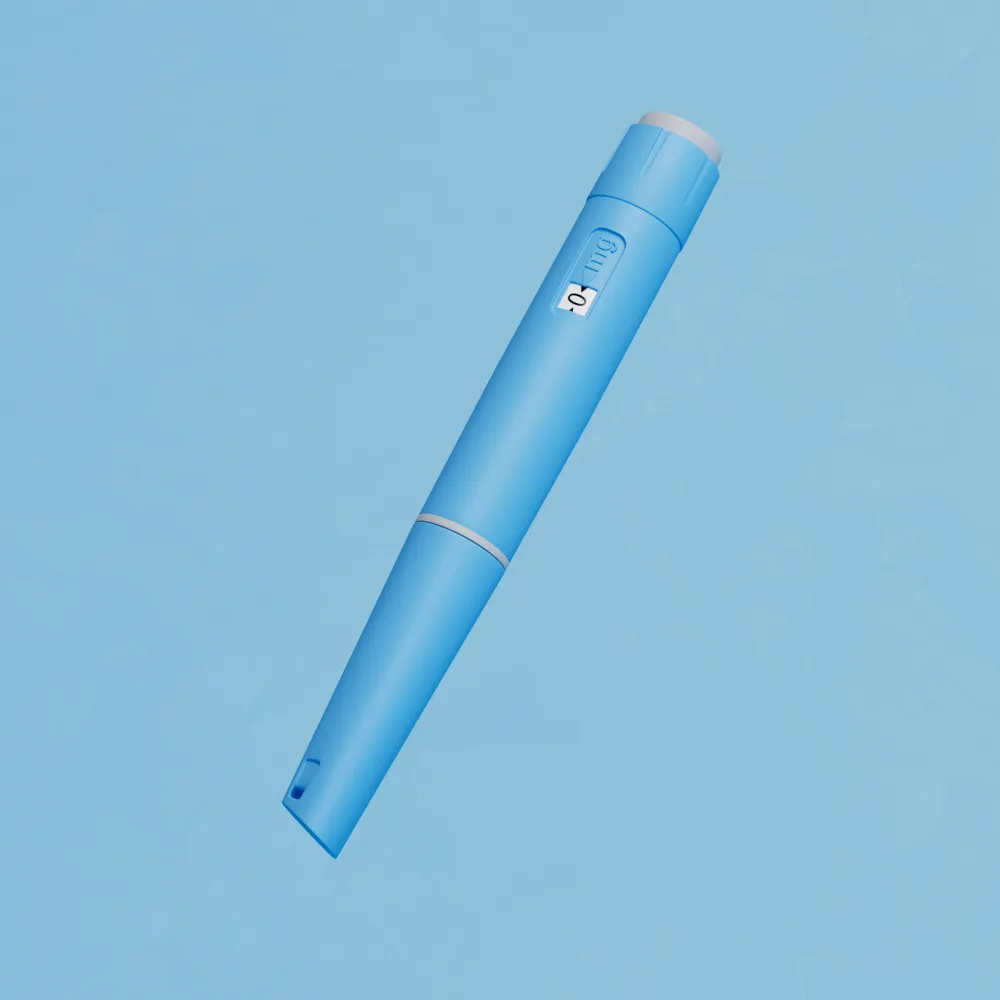
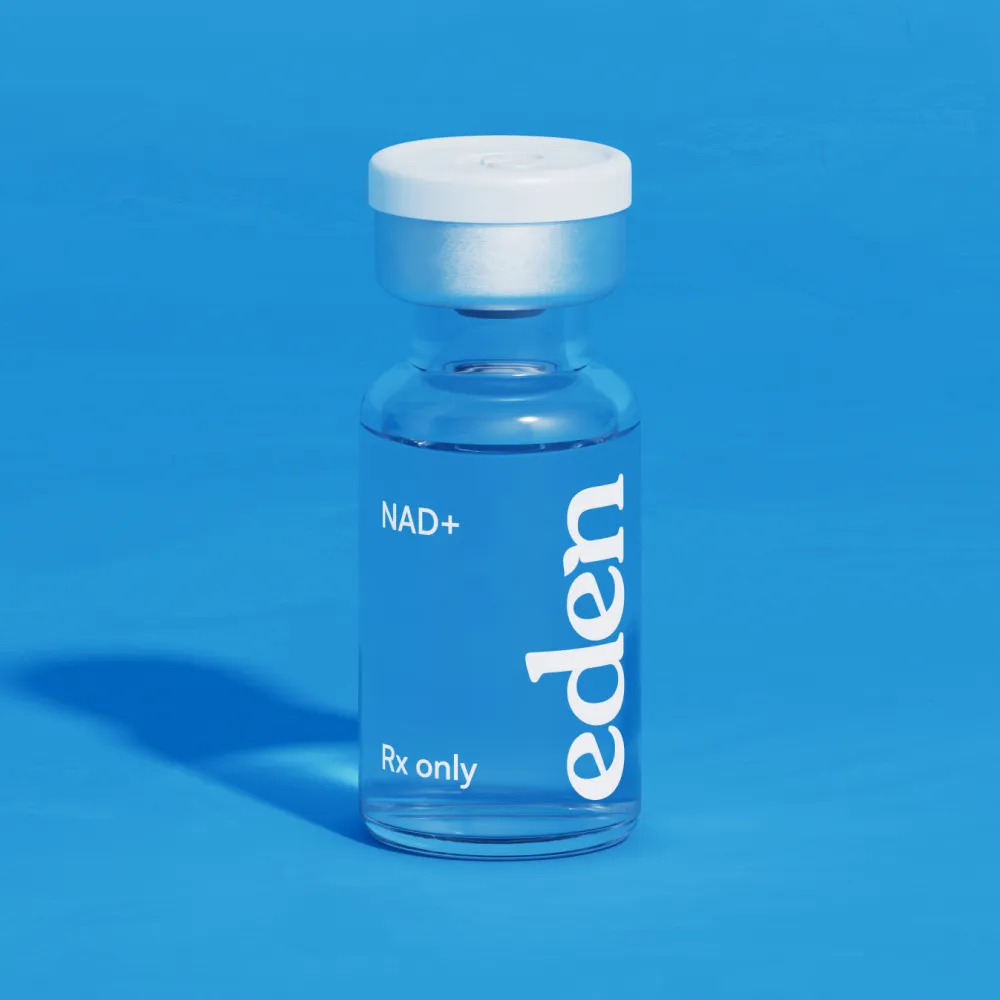
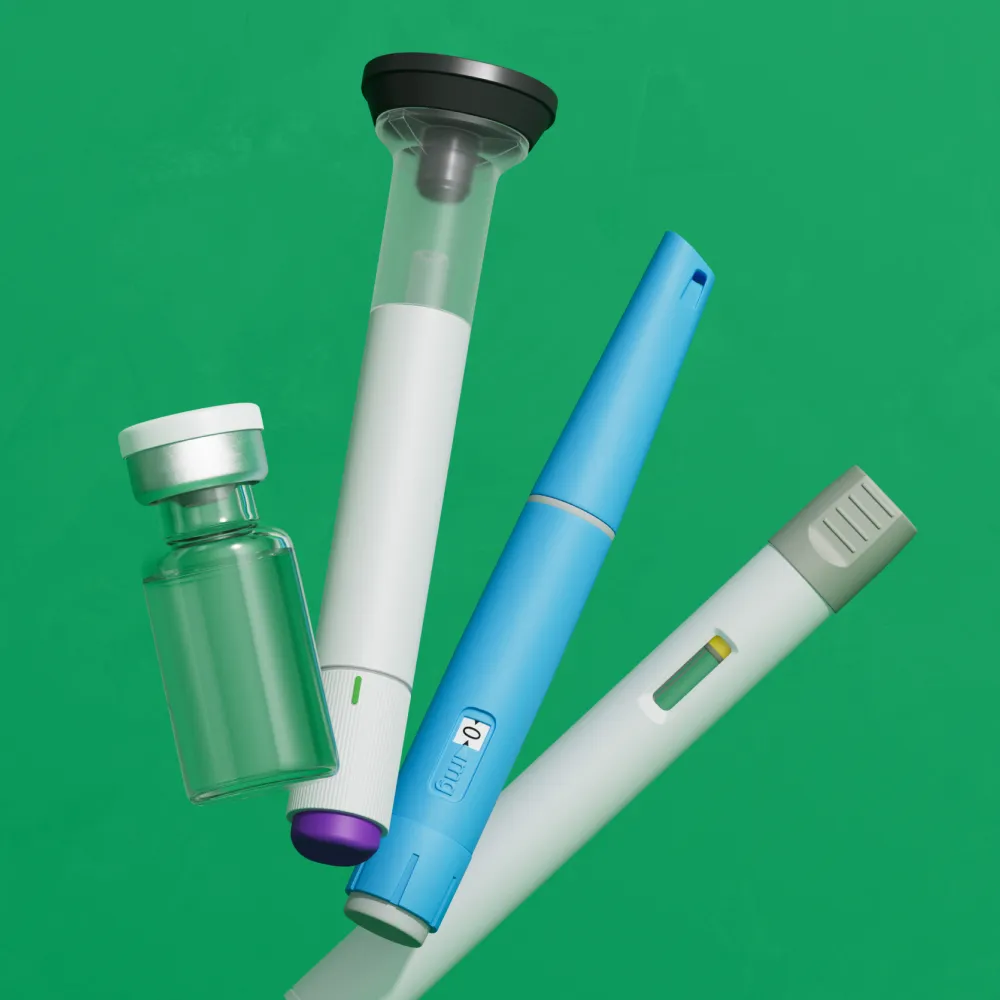
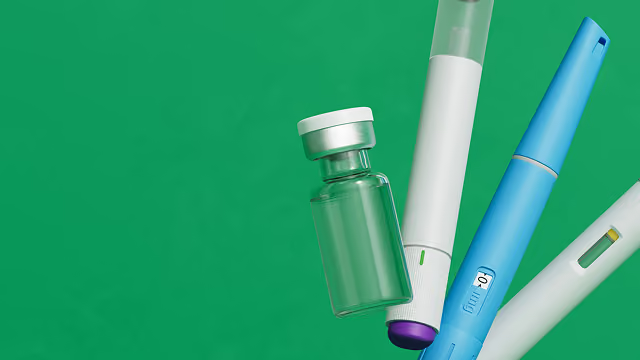
Zepbound® is injected under the skin once a week, at any time of day. It comes as a single-dose pen, a single-dose vial, or a KwikPen® that holds four weekly doses. Per the FDA label, it's meant to be used alongside a reduced-calorie diet and increased physical activity.
How Does Zepbound® Work?
Tirzepatide is a dual agonist, meaning it activates two hormone receptors instead of one. Both respond to natural gut hormones that help regulate appetite and blood sugar, which include:
- GLP-1 (glucagon-like peptide-1): Signals fullness to the brain, slows how quickly food leaves your stomach, and helps the body release insulin when blood sugar rises.
- GIP (glucose-dependent insulinotropic polypeptide): Supports insulin release and, based on early research, may further help regulate food intake.
This two-receptor approach sets Zepbound® apart from other GLP-1 medications, such as semaglutide, which act only on GLP-1 receptors. For a deeper look at the mechanism, see our guide on how Zepbound® works.
Zepbound® and Obstructive Sleep Apnea (OSA)
Obstructive sleep apnea (OSA) happens when the airway repeatedly narrows or closes during sleep, briefly interrupting breathing. Since excess weight is a major risk factor, Zepbound® may reduce how often these interruptions happen by helping you lose weight.
In the SURMOUNT-OSA program (two Phase 3 trials lasting 52 weeks), severity was measured with the apnea-hypopnea index (AHI), which is the number of breathing interruptions per hour of sleep. Here were the results of these trials:
- Not using PAP therapy: AHI dropped by about 27.4 events per hour with tirzepatide, compared with 4.8 with placebo.
- Using PAP therapy (such as CPAP): AHI dropped by about 30.4 events per hour with tirzepatide, compared with 6.0 with placebo.
Some participants reached remission or near-remission. However, Zepbound® for sleep apnea is meant to be used with a reduced-calorie diet and increased physical activity. The best way to determine if it's right for you is to talk with your provider about how it may fit your existing care or treatments.
Zepbound® Dosing Schedule
Zepbound® dosing follows a gradual step-up schedule. Everyone starts at the same low dose of 2.5 mg weekly, which is not an approved maintenance dose. From there, your provider may increase it in 2.5 mg increments after at least 4 weeks at each dose.
Not everyone needs, or tolerates, the highest dose. Your provider will consider how you're responding and how you feel before suggesting a change. Dose increases are also always made gradually when needed, which may help ease common digestive side effects and help your body adjust.
What to Do If You Miss a Dose
If you miss a dose and it's been 4 days (96 hours) or less, take it as soon as you remember. If more than 4 days have passed, skip it and take your next dose on your regular day.
Either way, return to your usual weekly schedule, and never take two doses to make up for one. You can change your injection day if needed, as long as doses are at least 3 days (72 hours) apart. If you've missed more than one dose, check in with your provider before restarting.
Zepbound® Results: What Clinical Trials Show
Zepbound®'s approval is based on the SURMOUNT clinical trial program, in which participants also followed a reduced-calorie diet and increased physical activity. These figures come from the FDA prescribing information and published trials:
- SURMOUNT-1 (72 weeks, adults without type 2 diabetes): Average weight loss was 15.0% on 5 mg, 19.5% on 10 mg, and 20.9% on 15 mg, compared with 3.1% on placebo. About 57% of people on 15 mg lost 20% or more of their body weight.
- SURMOUNT-2 (72 weeks, adults with type 2 diabetes): Average weight loss was 12.8% on 10 mg and 14.7% on 15 mg, compared with 3.2% on placebo.
- SURMOUNT-3 (after an intensive lifestyle program): After first losing weight through diet and exercise, participants lost an average of 18.4% more on tirzepatide.
- SURMOUNT-4 (stopping treatment): After 36 weeks, participants had lost an average of 20.9% of their body weight. Those who switched to placebo regained an average of 14.0% of their body weight over the following 52 weeks, while those who stayed on treatment continued to lose weight.
Together, the data suggest tirzepatide may support substantial weight loss for many adults, and that ongoing treatment is typically needed to maintain it. But keep in mind that these are averages, and your results may differ based on your starting weight, health history, dose, and habits. Additionally, these results are from clinical trials of tirzepatide under specific study conditions and should not be used to predict results with compounded formulations.
Maintaining Results After Weight Loss
If ongoing treatment is usually needed, a natural next question is whether you need to stay on the same dose. The SURMOUNT-MAINTAIN trial looked at exactly that. After 60 weeks on their maximum tolerated dose, participants either stayed on that dose, stepped down to 5 mg, or switched to placebo. Those who stayed at their maximum dose preserved their prior weight loss on average, while those who stepped down to 5 mg maintained all but about 5.6 kg (about 12 lbs).
This is part of why some providers consider a lower maintenance dose once a patient reaches their goal, rather than stopping treatment entirely. Lower, individualized doses below those studied in trials (sometimes called microdosing) have not been evaluated in large clinical trials, and any dose change should be made with a licensed provider who can monitor your response. Learn more about long-term GLP-1 weight management.
How Long Does It Take to Work?
Zepbound® works gradually, and timelines vary. Here's a general picture:
- First few weeks: Some people notice changes in appetite or fullness, even at the 2.5 mg starting dose.
- First couple of months: Weight changes may become more noticeable as your dose increases.
- Longer term: In trials, the largest average results were measured after roughly a year to a year and a half of continuous treatment.
For a closer look at each stage, see our guide on how long Zepbound® takes to work.
Zepbound® Cost and Insurance Coverage
Zepbound® cost depends on your insurance and which form of the medication you use. Here's how the main options compare as of October 2026.
Note: Prices and program terms are subject to change.
Many employer and private plans also cover Zepbound® for weight management, often with prior authorization. Some employers exclude these medications, so call your insurer to ask. If your plan covers Zepbound®, Lilly's savings card may lower your cost, but it isn't available to individuals with government insurance.
Medicare has historically not covered weight-loss medications solely for weight management. Starting July 1, 2026, a temporary program called the Medicare GLP-1 Bridge allows eligible Part D enrollees to get the Zepbound® KwikPen for weight management with a $50 monthly copay. But it requires prior authorization and is scheduled to run through December 31, 2027. Eligibility is subject to specific clinical criteria, and the program does not cover Zepbound® prescribed for OSA.
It's also worth noting that Medicaid coverage varies by state. Zepbound® may also be HSA or FSA eligible when prescribed for a qualifying condition, so it's always a good idea to confirm with your plan administrator.
Compounded Tirzepatide
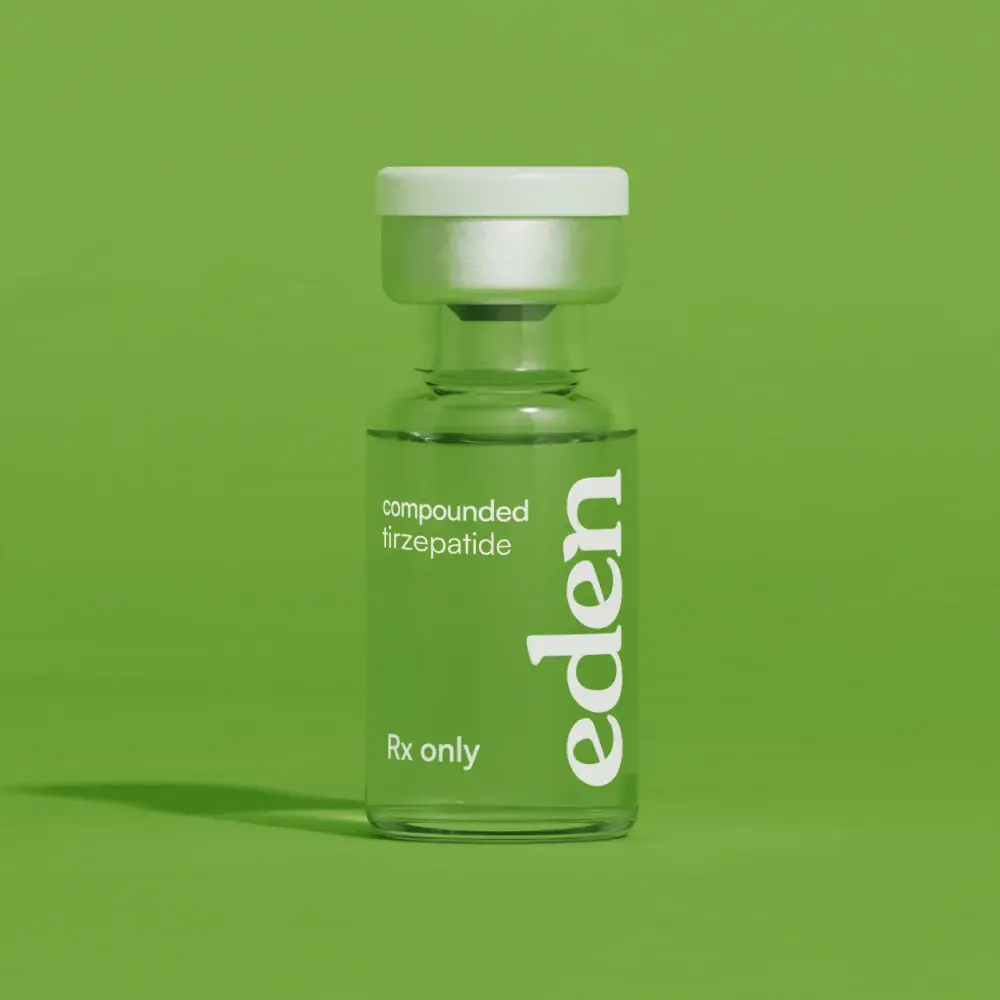
Compounded tirzepatide is not FDA-approved. The FDA has not reviewed compounded tirzepatide for safety, effectiveness, or quality. It is not a generic or FDA-approved substitute for Zepbound®. Under applicable compounding requirements, a licensed prescriber must determine and document a clinically significant difference for an identified patient before a compounded version may be prescribed. Availability is not guaranteed.
On top of the above, the FDA declared the tirzepatide shortage resolved in December 2024. Thus, compounding remains subject to applicable patient-specific legal requirements.
When a provider determines it's clinically appropriate, compounded tirzepatide is prepared by a state-licensed pharmacy for an individual patient, at a dose set by that provider. Results from the Zepbound® clinical trials come from the brand-name medication and should not be assumed to apply to compounded formulations.
To compare multiple routes, read our guide on how to get tirzepatide online. If you're curious about connecting with a licensed provider, you can also opt to fill out our brief online intake.
Zepbound® vs. Wegovy®: Key Differences
When weighing Zepbound® vs Wegovy® injectables, they differ in how they work, how they're dosed, and what else they're approved for. Here's a breakdown of their differences at a glance:
The weight-loss percentages shown come from separate clinical trials and should not be treated as a direct comparison. Compounded formulations are not FDA-approved or established as interchangeable with these branded medications.
In the head-to-head SURMOUNT-5 trial, adults on tirzepatide lost an average of 20.2% of their body weight after 72 weeks, compared with 13.7% on semaglutide, about 47% more relative weight loss in this study population. Individual results may vary.
Additionally, both carry list prices that may exceed $1,000 a month, depending on the product and presentation, and both manufacturers offer savings cards and self-pay programs. Wegovy® is also available as a daily pill.
However, the right fit (if any) depends on your health history, other conditions, how you tolerate side effects, and what you can access; a licensed provider can help determine what's best for you. For the other side of the comparison, see our full Wegovy® guide.
Common Side Effects of Zepbound®
The most common side effects, reported in at least 5% of trial participants, include:
- Nausea (up to 29%), diarrhea (up to 23%), constipation (up to 17%), and vomiting (up to 13%)
- Abdominal pain, indigestion, burping, and acid reflux
- Injection site reactions, fatigue, hair loss, and mild allergic reactions such as rash
Most digestive side effects happen while the dose is increasing and tend to ease over time. Eating smaller meals, limiting greasy foods, and staying well hydrated may also help.
Serious side effects are less common but include:
- Thyroid C-cell tumors (Tirzepatide caused thyroid tumors in rats; it isn't known whether this applies to people. Either way, don't use Zepbound® if you or a family member has had medullary thyroid carcinoma (MTC) or if you have Multiple Endocrine Neoplasia syndrome type 2 (MEN 2).)
- Pancreatitis (Stop Zepbound® and seek care for severe, persistent stomach pain, with or without vomiting.)
- Gallbladder problems, including gallstones.
- Kidney problems, usually tied to dehydration from vomiting or diarrhea.
- Low blood sugar, especially if you take insulin or a sulfonylurea.
- Serious allergic reactions, severe digestive reactions, and worsening diabetic eye disease in people with type 2 diabetes.
- Severe gastroparesis (Zepbound® is not recommended for patients with severe gastroparesis.)
- Anesthesia risks (Tell your providers before any surgery or sedation.)
Zepbound® may also make birth control pills less effective after starting and after each dose increase. Patients using oral hormonal contraceptives should switch to a non-oral method or add a barrier method for 4 weeks after starting treatment and for 4 weeks after each dose increase.
Who Is Zepbound® Approved For?
Per the FDA label, Zepbound® is approved for adults with the following conditions, when used alongside a reduced-calorie diet and increased physical activity:
- Obesity: A BMI of 30 kg/m² or higher, or
- Overweight with a related condition: A BMI of 27 kg/m² or higher plus at least one weight-related condition, such as high blood pressure, type 2 diabetes, high cholesterol, or sleep apnea
- Sleep apnea and obesity: Moderate to severe OSA along with obesity
Zepbound® isn't right for individuals with a personal or family history of MTC or MEN 2, a known serious allergy to tirzepatide, or people who are pregnant, since it may harm a developing baby. It also shouldn't be combined with any other GLP-1 medication or another tirzepatide-containing product.
Getting Started with Eden
If you're wondering whether Zepbound® or another GLP-1 treatment could be right for you, the first step is a conversation with a licensed provider. With Eden's online eligibility assessment, you can share your health history from home. A provider will review it, discuss any clinically appropriate options and help determine what fits your goals, with no pressure to commit. As your goals shift from losing weight to maintaining it, your provider can also adjust your plan over time.
Eden coordinates access to care. Licensed healthcare providers independently evaluate patients and determine whether to prescribe treatment. When treatment is prescribed, partner pharmacies dispense and label medications, as applicable.






Prescriptions and a medical evaluation are required for certain products. The information provided on this blog is for general informational purposes only. It is not intended as a substitute for professional advice from a qualified healthcare professional and should not be relied upon as personal health advice. The information contained in this blog is not meant to diagnose, treat, cure, or prevent any disease. Readers are advised to consult with a qualified healthcare professional for any medical concerns, including side effects. Use of this blog's information is at your own risk. The blog owner is not responsible for any adverse effects or consequences resulting from the use of any suggestions or information provided in this blog.
Eden is not a medical provider. Eden connects individuals with independent licensed healthcare providers who independently evaluate each patient to determine whether a prescription treatment program is appropriate. All prescriptions are written at the sole discretion of the licensed provider. Medications are filled by state-licensed pharmacies. Please consult a licensed healthcare provider before making any medical decisions.
Frequently asked questions
How much does Zepbound® cost per month?

The list price is about $1,086 a month, but insured patients using Lilly's savings card may pay as little as $25 if eligible. Eligible self-pay patients may have access to manufacturer pricing that varies by dose, presentation, and applicable program terms, and eligible Medicare Part D enrollees may pay $50 for Zepbound® KwikPen under the Medicare GLP-1 Bridge program for weight management.
How fast does Zepbound® work?
Some individuals notice appetite changes within the first few weeks, while visible weight changes usually take longer. In trials, the largest average results came after about a year or more of treatment alongside diet and activity changes.
How does Zepbound® compare to Wegovy®?
Both are once-weekly weight management injections, but Zepbound® acts on two hormone receptors while Wegovy® acts on one, and Zepbound® is also approved for sleep apnea. In a head-to-head trial, tirzepatide led to greater average weight loss.
Is Zepbound® covered by insurance?
Many commercial plans cover it with prior authorization, Medicare offers temporary coverage for eligible patients through the GLP-1 Bridge, and Medicaid varies by state. Call your insurer to confirm your coverage and requirements.
What happens if you stop taking Zepbound®?
Many people regain weight after stopping. In the SURMOUNT-4 trial, participants who switched from tirzepatide to placebo regained an average of 14.0% of their body weight over the following year, while those who continued treatment kept losing weight. Talk with your provider before stopping, since a gradual step-down or maintenance plan may be an option.
Can you lower your Zepbound® dose for maintenance?
Possibly. In the SURMOUNT-MAINTAIN trial, people who stepped down from their maximum tolerated dose to 5 mg kept most of their prior weight loss on average. Some providers also consider lower, individualized maintenance doses, though these haven't been studied in large trials. Your provider can help decide what may work for you.
Can I get compounded tirzepatide instead of Zepbound®?
Compounded tirzepatide is not FDA-approved and is now generally limited to cases where a provider determines and documents a patient-specific clinical need for a formulation that produces a significant difference from the commercially available medication. A licensed provider, including through Eden's online consultation, can tell you whether it may be an option for you. Compounded tirzepatide is not a generic or FDA-approved substitute for Zepbound®, and a prescription is not guaranteed.
Aronne, L. J., Horn, D. B., le Roux, C. W., Ho, W., Falcon, B. L., Gomez Valderas, E., Das, S., Lee, C. J., Glass, L. C., Senyucel, C., Dunn, J. P., & SURMOUNT-5 Trial Investigators (2025). Tirzepatide as Compared with Semaglutide for the Treatment of Obesity. The New England journal of medicine, 393(1), 26–36. https://www.nejm.org/doi/full/10.1056/NEJMoa2416394
Aronne, L. J., Sattar, N., Horn, D. B., Bays, H. E., Wharton, S., Lin, W. Y., Ahmad, N. N., Zhang, S., Liao, R., Bunck, M. C., Jouravskaya, I., Murphy, M. A., & SURMOUNT-4 Investigators (2024). Continued Treatment With Tirzepatide for Maintenance of Weight Reduction in Adults With Obesity: The SURMOUNT-4 Randomized Clinical Trial. JAMA, 331(1), 38–48. https://jamanetwork.com/journals/jama/fullarticle/2812936
Garvey, W. T., Frias, J. P., Jastreboff, A. M., le Roux, C. W., Sattar, N., Aizenberg, D., Mao, H., Zhang, S., Ahmad, N. N., Bunck, M. C., Benabbad, I., Zhang, X. M., & SURMOUNT-2 investigators (2023). Tirzepatide once weekly for the treatment of obesity in people with type 2 diabetes (SURMOUNT-2): a double-blind, randomised, multicentre, placebo-controlled, phase 3 trial. Lancet (London, England), 402(10402), 613–626. https://www.thelancet.com/journals/lancet/article/PIIS0140-6736(23)01200-X/abstract
Horn, D. B., Aronne, L. J., Wharton, S., Bays, H. E., le Roux, C. W., Srinath, R., Gomez-Valderas, E., Arad, A. D., Das, S., Dunn, J. P., Ribeiro, A., Glass, L. C., & Lee, C. J. (2026). Tirzepatide for maintenance of bodyweight reduction in people with obesity in the USA (SURMOUNT-MAINTAIN): a multicentre, double-blind, randomised, placebo-controlled trial. Lancet (London, England), 407(10545), 2305–2318. https://pubmed.ncbi.nlm.nih.gov/42119587/
Jastreboff, A. M., Aronne, L. J., Ahmad, N. N., Wharton, S., Connery, L., Alves, B., Kiyosue, A., Zhang, S., Liu, B., Bunck, M. C., Stefanski, A., & SURMOUNT-1 Investigators (2022). Tirzepatide Once Weekly for the Treatment of Obesity. The New England journal of medicine, 387(3), 205–216. https://www.nejm.org/doi/full/10.1056/NEJMoa2206038
Malhotra, A., Grunstein, R. R., Fietze, I., Weaver, T. E., Redline, S., Azarbarzin, A., Sands, S. A., Schwab, R. J., Dunn, J. P., Chakladar, S., Bunck, M. C., Bednarik, J., & SURMOUNT-OSA Investigators (2024). Tirzepatide for the Treatment of Obstructive Sleep Apnea and Obesity. The New England journal of medicine, 391(13), 1193–1205. https://www.nejm.org/doi/full/10.1056/NEJMoa2404881
Mounjaro. (2022). Highlights of prescribing information. https://www.accessdata.fda.gov/drugsatfda_docs/label/2022/215866s000lbl.pdf
Wadden, T. A., Chao, A. M., Machineni, S., Kushner, R., Ard, J., Srivastava, G., Halpern, B., Zhang, S., Chen, J., Bunck, M. C., Ahmad, N. N., & Forrester, T. (2024). Author Correction: Tirzepatide after intensive lifestyle intervention in adults with overweight or obesity: the SURMOUNT-3 phase 3 trial. Nature medicine, 30(6), 1784. https://www.nature.com/articles/s41591-023-02597-w
Wegovy. (2025). Highlights of prescribing information. https://www.accessdata.fda.gov/drugsatfda_docs/label/2025/215256s024lbl.pdf
Zepbound. (2023). Highlights of prescribing information. https://www.accessdata.fda.gov/drugsatfda_docs/label/2023/217806s000lbl.pdf
Thank you!
We'll be in touch.
Thank you!