




GLP-1 Therapy for PCOS: What the Research Shows and What to Discuss With Your Provider


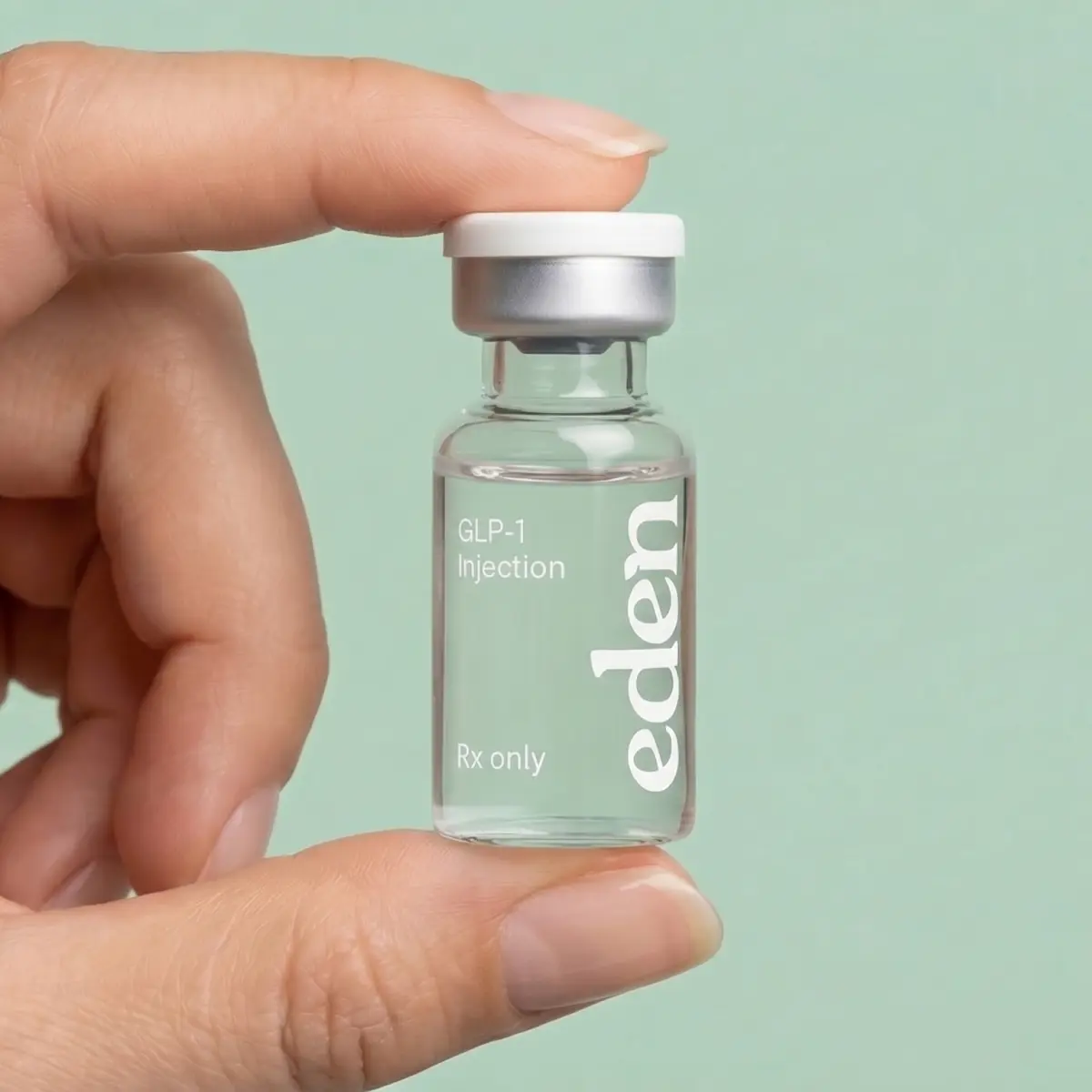

PCOS and weight loss are a difficult combination. Learn how GLP-1s may address insulin resistance and metabolic dysfunction, and what to ask your provider.
- Interest in Ozempic® and PCOS is growing largely due to insulin resistance (which is present in an estimated 70-80% of individuals with PCOS)
- PCOS creates a metabolic environment that makes weight gain easier and weight loss harder.
- GLP-1 receptor agonists, such as semaglutide (the active ingredient in Ozempic®), may improve insulin sensitivity, which may offer downstream support for more balanced hormones and more regular cycles in some individuals.
- The connection between Ozempic® and PCOS is promising but still emerging; GLP-1 therapy is not FDA-approved for PCOS and is used off-label.
- Because PCOS presents differently in everyone, GLP-1 therapy isn’t right for every case; a licensed healthcare provider should evaluate you to determine what’s best for your situation.
- If you’ve been struggling with PCOS-related weight challenges, a licensed provider can help you determine whether GLP-1 therapy belongs in your treatment plan.
This article is intended for educational purposes only and is not a substitute for professional medical advice, diagnosis, or treatment. Always talk with a licensed healthcare provider before starting, changing, or stopping any medication or therapy. GLP-1 medications are not FDA-approved for PCOS.
Many women with PCOS feel like they’ve done everything “right,” including eating carefully, exercising, and maybe even tracking every meal. But then the scale still refuses to move. If this sounds like you, it’s likely you’re feeling frustrated.
Yet, this is also a common experience with PCOS. This condition changes how your body handles insulin and stores fat, which may make weight loss harder.
Recently, GLP-1 medications like semaglutide—best known under the brand name Ozempic®—have drawn attention for their potential benefits beyond type 2 diabetes.
This article explains the research on GLP-1s and PCOS, how these medications work, what they can’t do, and what to discuss with a licensed healthcare provider.
To better understand your metabolic baseline, check your BMI; it can be a great starting point in your weight management journey.
What Is PCOS and Why Does It Affect Weight?
Polycystic ovary syndrome (PCOS) is a hormonal and metabolic condition that affects roughly 1 in 10 women of reproductive age. It’s typically diagnosed using the Rotterdam criteria, which require at least two of three features:
- Irregular or absent ovulation
- Signs of elevated androgens (often called “male hormones,” such as testosterone)
- And polycystic ovaries on an ultrasound.
But why do many people with PCOS gain weight?
This largely comes down to insulin resistance, which is common with PCOS. In fact, research suggests insulin resistance and PCOS overlap in roughly 35-80% of cases. Insulin resistance means the body’s cells don’t respond efficiently to insulin. To compensate, the pancreas pumps out more of it (a state called hyperinsulinemia).
This excess insulin then nudges the ovaries to produce more androgens, promotes fat storage (particularly around the abdomen), and disrupts the hormonal signals needed for regular ovulation.
In turn, this loop may make weight gain easier and weight loss harder, sometimes even on a calorie deficit. In other words, the relationship between insulin resistance and weight loss in PCOS is physiological, not a personal failure.
But not every case looks the same. Some individuals have lean PCOS, and not everyone has significant insulin resistance, which is exactly why a healthcare evaluation with a licensed provider is important.
How GLP-1 Receptor Agonists Work
GLP-1 (glucagon-like peptide-1) is a hormone your gut naturally releases after you eat. It signals to the pancreas to release insulin when blood sugar rises, suppresses glucagon (a hormone that raises blood sugar), slows how quickly food leaves your stomach, and tells the brain’s satiety centers when you’re full.
GLP-1 receptor agonists, such as semaglutide, mimic and amplify those signals. It’s kind of like turning up the volume on your insulin response when blood sugar rises, then turning it back down when it falls. In fact, slowed gastric emptying and reduced appetite may play a role in weight loss with GLP-1 therapy.
It’s worth noting, however, that Ozempic® (semaglutide 0.5-2 mg) is FDA-approved for type 2 diabetes, and Wegovy® (semaglutide 2.4 mg) is FDA-approved for chronic weight management. Neither is FDA-approved specifically for PCOS, but a licensed provider may prescribe it off-label for certain cases.
The Link Between GLP-1 Therapy and PCOS: What the Research Suggests
Here’s what the emerging evidence suggests when it comes to GLP-1 therapy for PCOS.
Improving Insulin Sensitivity
By enhancing the body’s insulin response and lowering fasting insulin levels, GLP-1 receptor agonists may help interrupt the hyperinsulinemia-androgen cycle that fuels many PCOS symptoms. As insulin levels fall, the ovaries may produce less excess testosterone, which may support more balanced hormones.
A 2025 meta-analysis reported that GLP-1 receptor agonists significantly reduced fasting insulin and HOMA-IR (a standard measure of insulin resistance) in women with PCOS compared with placebo or metformin.
Supporting Weight Loss in a Metabolically Resistant Environment
Since PCOS creates an environment that resists weight loss, standard calorie restriction often delivers less than expected. GLP-1 therapy’s dual action (curbing appetite and slowing digestion) may be especially useful here, and studies of women using liraglutide or semaglutide for PCOS have reported reductions in BMI and waist circumference.
And yes, even modest weight loss may help manage PCOS-related insulin sensitivity. Losing 5-10% of body weight has been shown to improve insulin sensitivity, help restore ovulation, and lower androgen levels in women with PCOS—so the benefits of a well-chosen PCOS weight loss treatment may extend well beyond appearance.
Potential Effects on Hormonal and Menstrual Regularity
Some small studies and case reports suggest GLP-1 therapy may be associated with more regular menstrual cycles and improved ovulatory function in women with PCOS. This, however, appears to be a downstream effect of better insulin sensitivity and weight reduction.
At the same time, the evidence is still emerging, study sizes are small, and GLP-1s are not a fertility treatment. If you’re hoping to conceive, a conversation with a reproductive endocrinologist or OB-GYN may be more appropriate. This may also be a reason to seek broader women’s hormone therapy guidance alongside any GLP-1 discussion.
Reducing Inflammation and Androgen Levels
PCOS is associated with low-grade chronic inflammation and elevated androgens, both of which may be modestly improved with GLP-1 therapy, likely through weight loss and insulin-sensitizing effects.
In one randomized trial, liraglutide was linked to reductions in free testosterone and improved menstrual frequency in women with PCOS. But these are early findings, meaning effects may vary, and more research is needed.
What GLP-1 Therapy Does Not Do for PCOS
GLP-1 therapy is not FDA-approved for PCOS. This means it’s used off-label for PCOS when a provider determines it’s appropriate for a specific case.
It also doesn’t treat the ovarian cysts themselves, and it doesn’t replace hormonal contraceptives or anti-androgen medications (like spironolactone) for managing symptoms such as acne or unwanted hair growth. It won’t benefit every PCOS subtype equally, either; women with lean PCOS or without significant insulin resistance may notice fewer effects.
On top of the above, GLP-1 therapy isn’t appropriate during pregnancy and should be stopped before conception is attempted or as soon as pregnancy occurs. Since fertility is a common concern with PCOS, it is essential to plan for this with your provider.
Since PCOS shows up differently in different individuals, a licensed provider needs to evaluate your full hormonal and metabolic picture before recommending GLP-1 therapy.
Potential Side Effects and Safety Considerations
GLP-1 medications carry some side effects worth noting before you start:
- Gastrointestinal effects (nausea, vomiting, diarrhea, constipation): These are the most common, especially during dose increases, and they typically ease over time.
- Reduced appetite: This is usually the desired effect, though it can occasionally lead to inadequate nutrition if not monitored.
- Hypoglycemia (low blood sugar): This is a relatively low risk in people without diabetes who aren’t taking insulin or sulfonylureas, but still may be worth flagging.
- Rare but serious risks: Pancreatitis (severe abdominal pain warrants stopping and seeking care), gallbladder issues, and a theoretical risk of thyroid C-cell tumors seen in rodent studies. GLP-1s are contraindicated in people with a personal or family history of medullary thyroid carcinoma or MEN2 syndrome.
- Pregnancy: GLP-1 therapy should be discontinued before trying to conceive, and is not recommended to use during pregnancy.
Side effect profiles vary from person to person. A licensed healthcare provider will review your specific contraindications and health history before prescribing.
GLP-1 Therapy vs. Other PCOS Treatments: How It Fits In
GLP-1 therapy is one tool among several, and it works best as part of a plan tailored to your goals. Here’s how the common options compare:
- Lifestyle modification (diet and exercise): These are typically foundational and genuinely effective, but are often limited by insulin resistance and sometimes insufficient on their own for significant weight loss.
- Metformin: Metformin is an insulin sensitizer used off-label for PCOS. It may be used alongside or instead of GLP-1 therapy, depending on your profile, and it’s also one of several non-injectable weight-loss options.
- Hormonal contraceptives: These may help regulate periods and ease androgen-related symptoms, such as acne and hirsutism, but don’t address insulin resistance.
- Spironolactone: This is an anti-androgen primarily used to treat skin and hair symptoms.
- Clomiphene or letrozole: These medications are used to induce ovulation for fertility.
To be clear, GLP-1 therapy isn’t a replacement for these treatments. For women whose PCOS is significantly driven by insulin resistance and weight-related concerns, it may be a valuable addition within a broader treatment plan and, in some cases, may be considered among the available treatment options.
The right combination depends on whether your goal is weight loss, symptom relief, or fertility, which is a decision to make with a licensed healthcare provider through a medically supervised GLP-1 program.
Questions to Ask Your Provider About GLP-1 Therapy for PCOS
If you’re considering this path, bringing specific questions to your visit, whether that’s on a telehealth platform or in person, may help you and your provider determine what’s best going forward. A few questions you may want to consider asking include:
- Based on my labs and health history, do I have significant insulin resistance? This helps determine whether GLP-1 therapy is likely to benefit your particular PCOS presentation.
- Is GLP-1 therapy appropriate for me, given my current medications and conditions? This may be important for spotting contraindications, especially if you take hormonal contraceptives or metformin, or have a history of thyroid or pancreatic issues.
- What outcomes should I realistically expect, and over what timeframe? Setting expectations early may help you better understand potential outcomes and treatment timelines.
- Should I be evaluated for other parts of metabolic syndrome? PCOS raises the risk of type 2 diabetes, high cholesterol, and cardiovascular disease, meaning a broader panel may be appropriate.
- What happens if I want to become pregnant while on GLP-1 therapy? This is essential planning, since GLP-1s must be stopped before pregnancy.
- Are there non-injectable or combination approaches that might suit me better? This opens the door to oral medications or combination protocols.
You don’t have to navigate PCOS alone, or guess whether GLP-1 therapy is right for you. The connection between Ozempic® and PCOS is promising, but it varies by individual. This is where a licensed provider can help you determine the next best step for you.
With Eden, you start with a quick online intake. After this, we connect you with a licensed healthcare provider who reviews your health history, goals, and lifestyle to determine which approach—if any—may be appropriate for your specific PCOS profile.












*Price includes medication only, if prescribed. An active Eden Membership is required ($39 for the first month, auto-renews at $99/month thereafter). Membership does not include or guarantee a prescription. Medication is not available without a membership. Membership fee is not included.
The FDA does not approve compounded medications for safety, quality, or manufacturing. Prescriptions and a medical evaluation are required for certain products. The information provided on this blog is for general informational purposes only. It is not intended as a substitute for professional advice from a qualified healthcare professional and should not be relied upon as personal health advice. The information contained in this blog is not meant to diagnose, treat, cure, or prevent any disease. Readers are advised to consult with a qualified healthcare professional for any medical concerns, including side effects. Use of this blog's information is at your own risk. The blog owner is not responsible for any adverse effects or consequences resulting from the use of any suggestions or information provided in this blog.
Eden is not a medical provider. Eden connects individuals with independent licensed healthcare providers who independently evaluate each patient to determine whether a prescription treatment program is appropriate. All prescriptions are written at the sole discretion of the licensed provider. Medications are filled by state-licensed pharmacies. Please consult a licensed healthcare provider before making any medical decisions.
Frequently asked questions
Is Ozempic® or metformin better for PCOS?

Neither is universally “better.” They may be suitable for different people, depending on the recommendations made by a licensed healthcare provider. Metformin is a long-used, oral insulin sensitizer, and GLP-1 medications may produce greater weight loss and stronger improvements in insulin resistance for some. A provider may even recommend using them together.
What are the side effects of Ozempic® for PCOS?
The most common are gastrointestinal (such as nausea, vomiting, diarrhea, and constipation), which often ease as your body adjusts. Rarer risks include pancreatitis and gallbladder problems. It also shouldn’t be used during pregnancy, which is why provider oversight is important.
Is GLP-1 therapy FDA-approved for PCOS?
No, GLP-1 medications are FDA-approved for type 2 diabetes (Ozempic®) and chronic weight management (Wegovy®), but their use for PCOS is off-label, meaning a provider prescribes them based on clinical judgment and the metabolic overlap.
How long does it take to see results with GLP-1 therapy for PCOS?
This varies. Appetite changes may appear within weeks, but changes in weight, cycles, and lab markers may take several months of consistent, supervised use.
Related articles






Amisi C. A. (2022). Markers of insulin resistance in Polycystic ovary syndrome women: An update. World journal of diabetes, 13(3), 129–149. https://pmc.ncbi.nlm.nih.gov/articles/PMC8984569/
Elkind-Hirsch, K. E., Chappell, N., Shaler, D., Storment, J., & Bellanger, D. (2022). Liraglutide 3 mg on weight, body composition, and hormonal and metabolic parameters in women with obesity and polycystic ovary syndrome: a randomized placebo-controlled-phase 3 study. Fertility and sterility, 118(2), 371–381. https://www.fertstert.org/article/S0015-0282(22)00271-0/fulltext
Lin, S., Deng, Y., Huang, J., Li, M., Sooranna, S. R., Qin, M., & Tan, B. (2025). Efficacy and safety of GLP-1 receptor agonists on weight management and metabolic parameters in PCOS women: a meta-analysis of randomized controlled trials. Scientific reports, 15(1), 16512. https://pubmed.ncbi.nlm.nih.gov/40360648/
Nylander, M., Frøssing, S., Clausen, H. V., Kistorp, C., Faber, J., & Skouby, S. O. (2017). Effects of liraglutide on ovarian dysfunction in polycystic ovary syndrome: a randomized clinical trial. Reproductive biomedicine online, 35(1), 121–127. https://www.rbmojournal.com/article/S1472-6483(17)30194-3/fulltext
Ozempic. (2017). Highlights of prescribing information. https://www.accessdata.fda.gov/drugsatfda_docs/label/2017/209637lbl.pdf
Ryan, D. H., & Yockey, S. R. (2017). Weight Loss and Improvement in Comorbidity: Differences at 5%, 10%, 15%, and Over. Current obesity reports, 6(2), 187–194. https://pmc.ncbi.nlm.nih.gov/articles/PMC5497590/
Singh, S., Pal, N., Shubham, S., Sarma, D. K., Verma, V., Marotta, F., & Kumar, M. (2023). Polycystic Ovary Syndrome: Etiology, Current Management, and Future Therapeutics. Journal of clinical medicine, 12(4), 1454. https://pmc.ncbi.nlm.nih.gov/articles/PMC9964744/
Voros, C., Chatzinikolaou, F., Papapanagiotou, I., Polykalas, S., Mavrogianni, D., Koulakmanidis, A. M., Athanasiou, D., Kanaka, V., Bananis, K., Athanasiou, A., Athanasiou, A., Papadimas, G., Tsimpoukelis, C., Vaitsis, D., Karpouzos, A., Daskalaki, M. A., Kanakas, N., Theodora, M., Thomakos, N., Antsaklis, P., Daskalakis, G. (2026). A Systematic Review on GLP-1 Receptor Agonists in Reproductive Health: Integrating IVF Data, Ovarian Physiology and Molecular Mechanisms. International journal of molecular sciences, 27(2), 759. https://pmc.ncbi.nlm.nih.gov/articles/PMC12841515/
Wegovy. (2017). Highlights of prescribing information. https://www.accessdata.fda.gov/drugsatfda_docs/label/2025/215256s024lbl.pdf
Thank you!
We'll be in touch.
Thank you!