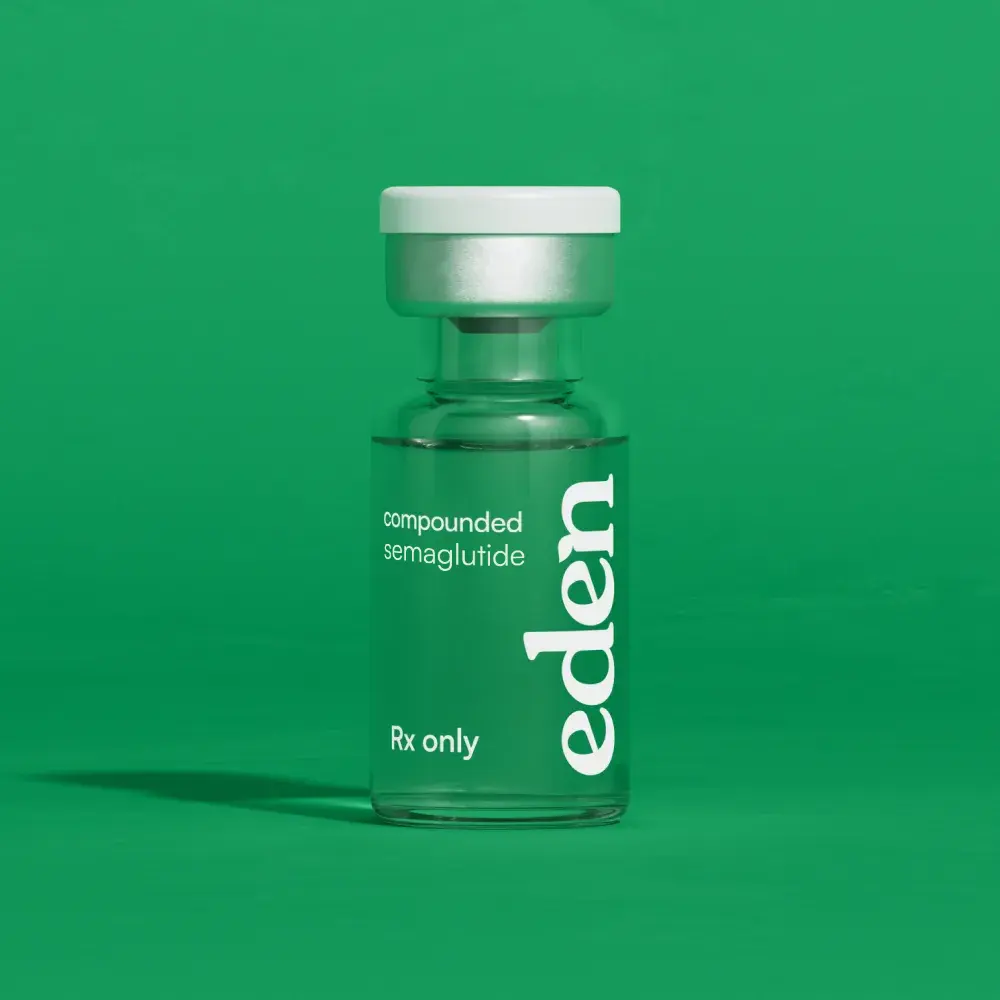




What Happens When You Stop a GLP-1?



Stopping a GLP-1 like Ozempic® or Wegovy®? Learn what happens to appetite and weight, and which maintenance approaches may help. Talk to a provider first.
- Stopping GLP-1 medications, such as Ozempic®, Wegovy®, or Zepbound®, often increases appetite, hunger, and "food noise" as the medication wears off.
- A large 2026 review found that weight returned at about 1.8 pounds per month on average after individuals stopped semaglutide or tirzepatide in the studies analyzed.
- In a Cleveland Clinic study of nearly 8,000 patients, 45% of people treated for obesity maintained their weight or continued to lose weight one year after stopping.
- There is no standard GLP-1 tapering schedule. Any change in dosage should be recommended and monitored by a licensed healthcare provider.
- Several lifestyle habits may support your progress, such as eating protein- and fiber-rich meals, strength training, and regular weight check-ins; ongoing provider support may also help determine which habit changes or treatment (if any) are best for you.
- Stopping isn't the only option. In one 2026 trial, people who stepped down to a lower tirzepatide dose kept most of their weight loss, so a lower dose, a different medication or formulation, or oral adjunct treatments may be worth discussing with your provider before completely stopping.
This article is intended for general informational purposes only and is not a substitute for professional medical advice, diagnosis, or treatment. Always talk with a licensed healthcare provider before starting, changing, or stopping any medication.
When you stop a GLP-1, your appetite usually returns, and, for many individuals, so does some weight. But how much and how fast can vary based on several factors, including what you do next.
Interestingly, a 2026 meta-analysis reviewed 37 studies and found that people regained weight steadily after stopping weight management medications, with semaglutide and tirzepatide users projected to return to their starting weight in about a year and a half.
But a Cleveland Clinic study of 7,938 real-world patients found that 45% of those treated for obesity maintained or continued losing weight a year after stopping, and many of them had moved on to another treatment or structured lifestyle support.
The difference between those two findings may partly reflect differences in treatment and follow-up after stopping. So, what does that look like exactly? And what happens in the body when you stop GLP-1 medication?
Why Appetite Returns After Stopping a GLP-1
GLP-1 (glucagon-like peptide-1) is a hormone your gut releases after you eat. It slows gastric emptying (the speed at which food moves from your stomach into your small intestine), sends signals of feeling full to your brain, and reduces appetite. GLP-1 medications, such as semaglutide, mimic this hormone, while tirzepatide acts on both GLP-1 and GIP receptors.
When you stop taking these medications, these effects also stop. However, semaglutide and tirzepatide are long-acting. This means that the effects tend to disappear gradually across several weeks.
After weight loss, the body also tends to increase hunger hormones and lower leptin, a hormone that signals you have enough energy stored. Researchers reviewing GLP-1 discontinuation describe how the medication counters this while you take it, but once you stop taking these medications, a sort of rebound occurs.
Some people also report "food noise" (a phrase often used to describe persistent, intrusive thoughts about food) coming back. These intrusive thoughts returning may reflect changes in appetite regulation, not a lack of willpower. But watching for it means you can act early and discuss such changes with your provider.
What the Research Says About Weight Regain After Stopping
Here's what the research shows about regaining weight after stopping GLP-1 medications.
What Clinical Trials Show
The 2026 BMJ review included 9,341 adults across 37 studies. Across all weight-management medications, weight returned at about 0.9 pounds per month on average. For newer medications, such as semaglutide and tirzepatide, the pace was faster, at roughly 1.8 pounds per month. However, data beyond 12 months after stopping these drugs was limited.
Individual trials point the same way. In the STEP 1 trial extension, individuals who stopped semaglutide regained about two-thirds of the weight they had lost within a year, which is relevant for anyone coming off Ozempic® or Wegovy®.
For stopping Zepbound®, the SURMOUNT-4 trial found that individuals who switched from tirzepatide to placebo regained about 14% of their body weight over the following year, while those who stayed on the medication continued to lose weight.
However, weight isn't the only change observed. A meta-analysis of 18 trials found that blood pressure, blood sugar (HbA1c), and some cholesterol measures also moved back toward pre-treatment levels after individuals with obesity stopped a GLP-1 medication.
At the same time, a 2026 analysis from the University of Cambridge found that regain tends to slow over time and appears to level off at around three-quarters of the weight lost, suggesting some benefit may last.
But it's worth keeping in mind what these trials measure. Participants in withdrawal studies may stop the study medication without transitioning to another weight-management medication. While useful in the scientific community, it's not always the same in the real world.
What Real-World Data Shows
The Cleveland Clinic study, published in Diabetes, Obesity and Metabolism, followed 7,938 adults in Ohio and Florida who stopped injectable semaglutide or tirzepatide within three to 12 months of starting.
Within a year of stopping, 27% of patients switched to a different medication, 20% restarted their original medication, and 14% continued care through lifestyle visits with dietitians or exercise specialists. The researchers suggest these transitions may explain why real-world regain was smaller than in trials.
While weight regain may still happen and most individuals in the obesity group did gain some weight back, these outcomes may vary based on the steps taken after stopping the medication.
Common Reasons People Stop a GLP-1
People stop for many reasons, and none of them is wrong. In one 2025 study, cost and insurance problems were the most common reasons, cited by nearly half of people who stopped a GLP-1 prescribed for obesity.
Other common reasons include:
- Side effects like nausea, vomiting, diarrhea, or fatigue
- Reaching a goal weight
- Supply disruptions or pharmacy shortages
- Personal preference
Your reason for stopping may shape the best next step. If GLP-1 side effects are the issue, a lower dose or different FDA-approved medication may be worth discussing with your provider. If you've reached your goal weight, a maintenance plan, rather than stopping outright, may be worth exploring. If cost is the barrier, there may also be other lower-cost options you could explore first. Discussing these with your provider can be a great starting point.
Tapering Off a GLP-1: Is There a Right Way to Stop?
No universally established tapering protocol exists for GLP-1 medications, and researchers have noted a lack of formal guidance on how to discontinue them. Still, gradual dose reduction is a commonly discussed approach, although evidence that it eases the transition is limited.
The idea is that lowering the dosage slowly may give your body time to adjust as the medication's appetite-suppressing effects fade, potentially making hunger return less abruptly. However, this benefit has not been established in clinical trials. For example, some providers may recommend moving to a lower dose for a period before stopping, depending on the medication and clinical circumstances. But it may vary from person to person.
There is some evidence that a lower dose may help as a longer-term step, rather than only as a path to stopping. In the SURMOUNT-MAINTAIN trial, adults who had been on their maximum tolerated dose of Zepbound® for 60 weeks either stayed on that dose, stepped down to 5 mg, or switched to placebo. Those who stepped down to 5 mg maintained all but about 5.6 kg (about 12 lbs) of their prior weight loss on average. This trial studied brand-name Zepbound® at a standard dose, so it doesn't tell us how very low or individualized doses (sometimes called microdosing) perform.
At the same time, tapering is not a do-it-yourself process. The right approach depends on your dose, your health history, and why you're stopping; a licensed provider should build any plan, monitor you throughout, and adjust it as you go.
How to Protect Your Progress After Stopping a GLP-1
If you're considering discontinuing a GLP-1 medication, it's always important to talk with your provider. From there, the following strategies may help maintain any progress you've made.
Prioritize Protein and Fiber at Every Meal
Protein and fiber may help you stay full longer. Fiber slows digestion, and protein can prompt your gut to release its own fullness hormones, including natural GLP-1.
Getting enough protein also helps preserve muscle. A joint nutrition advisory from several obesity and nutrition societies highlights protein, fiber-rich whole foods, and strength training as priorities for individuals using GLP-1 therapy. If you're looking for an easy next step, Eden's protein calculator provides a convenient starting point.
Build or Maintain a Consistent Strength Training Routine
Muscle burns more energy at rest than fat does, which may help offset some of the metabolic changes that come with weight loss. Since some of the weight lost on a GLP-1 can come from lean mass, resistance training is important both during and after treatment. Consider starting with two or three sessions a week with weights, bands, or bodyweight exercises.
Monitor Your Weight and Hunger Signals Closely
In the weeks after stopping, check your weight about once a week and notice how your hunger and cravings change. Spotting a trend early gives you more room to adjust, whether that means changing how you eat, moving more, or checking in with your provider.
Stay Connected to a Provider
This may be the most important step. In the Cleveland Clinic data, switching treatments, restarting treatment, or keeping up with lifestyle visits may have contributed to the more favorable outcomes observed, although the study does not establish that these steps caused less weight regain. A provider can help you decide whether restarting, switching, lowering your dose, or adding oral support makes sense. With Eden, members can message a provider 24/7 as questions come up, without waiting for an appointment.
GLP-1 Maintenance Options Worth Discussing With Your Provider
Beyond completely stopping, options that your provider might discuss include:
- Lower-dose or maintenance dosing: Some providers may explore whether a reduced dose can sustain results. In SURMOUNT-MAINTAIN, stepping down to a lower standard dose of tirzepatide preserved most prior weight loss on average. Very low or individualized doses (sometimes called microdosing) are not universally established, and effectiveness, side effects, and cost may vary.
- Switching medications or formulations: This could mean moving between semaglutide and tirzepatide or trying an oral GLP-1. Some people switch from injections to a pill, and research on oral GLP-1s for weight maintenance has looked at people switching from injectable semaglutide or tirzepatide. Others may discuss compounded medications, such as compounded semaglutide or compounded tirzepatide, with their provider when a patient-specific clinical need exists. Compounded GLP-1 medications are not FDA-approved and are not reviewed by the FDA for safety, effectiveness, or quality. They may be prescribed only when legally permitted and clinically appropriate, including when a licensed prescriber determines and documents a significant difference for an identified patient compared with a commercially available FDA-approved medication. Cost alone does not establish this need.
- Oral adjunct medications: Some providers use oral medications such as metformin, bupropion, or low-dose naltrexone as part of a transition plan. These may be prescribed off-label for weight management. Eden's Custom Weight Loss Kit is one provider-guided option that may include them. These medications have their own risks and limitations, and their effectiveness as a GLP-1 discontinuation strategy has not been established.
- Lifestyle support: Dietitian visits, structured exercise programs, and behavioral support were part of the plan for 14% of patients in the Cleveland Clinic study.
Ultimately, the right fit depends on your health history, goals, and clinical profile, alongside a licensed healthcare provider's insights. Learn more about long-term GLP-1 weight management with Eden.
When to Talk to a Provider Before (or Instead of) Stopping
It's a good idea to talk with a provider before stopping if:
- Your GLP-1 also helps manage blood sugar, blood pressure, or another metabolic condition
- You're having side effects that a dose adjustment might ease
- You've reached your goal and want to know whether a lower maintenance dose may be an option
- You're stopping because of cost and haven't looked at other options
- You've lost a significant amount of weight and don't have a transition plan
Stopping abruptly without proper guidance may lead to the return of appetite and weight regain and may also impact markers the medication was helping with, such as blood sugar and blood pressure.
With Eden, we connect you with licensed healthcare providers. It all starts with a quick online intake. If it's appropriate, your provider will recommend a treatment plan based on your health profile. If medication is prescribed, it may be dispensed and shipped by a licensed pharmacy, with free expedited shipping where available.












The FDA does not approve compounded medications for safety, quality, or manufacturing. Prescriptions and a medical evaluation are required for certain products. The information provided on this blog is for general informational purposes only. It is not intended as a substitute for professional advice from a qualified healthcare professional and should not be relied upon as personal health advice. The information contained in this blog is not meant to diagnose, treat, cure, or prevent any disease. Readers are advised to consult with a qualified healthcare professional for any medical concerns, including side effects. Use of this blog's information is at your own risk. The blog owner is not responsible for any adverse effects or consequences resulting from the use of any suggestions or information provided in this blog.
Eden is not a medical provider. Eden connects individuals with independent licensed healthcare providers who independently evaluate each patient to determine whether a prescription treatment program is appropriate. All prescriptions are written at the sole discretion of the licensed provider. Medications are filled by state-licensed pharmacies. Please consult a licensed healthcare provider before making any medical decisions.
Frequently asked questions
How quickly does weight come back after stopping Wegovy® or Ozempic®?

In a 2026 systematic review, weight regain after Wegovy® and other semaglutide or tirzepatide treatment averaged about 1.8 pounds per month, though real-world results vary. Appetite often returns within a few weeks, while weight changes tend to happen more gradually and be influenced by diet, activity, ongoing treatment, and other individual factors.
Is weight regain after stopping Zepbound® inevitable?
No, though some regain is common after stopping treatment. In the Cleveland Clinic study, 45% of people treated for obesity maintained or kept losing weight a year after stopping semaglutide or tirzepatide, and many had moved to another treatment or structured lifestyle support.
Does food noise come back when you stop a GLP-1?
For many individuals, yes. Persistent thoughts about food may return as the medication's appetite-regulating effects fade. If it feels distressing, bring it up with your provider.
Can you restart a GLP-1 after stopping?
Often, yes. In the Cleveland Clinic data, 20% of patients restarted their original medication within a year. Whether it's right for you depends on your health and why you stopped.
What is GLP-1 maintenance dosing, and is it an option?
GLP-1 maintenance dosing may involve continuing treatment at an appropriate dose, which is not necessarily lower than the dose used during weight loss. In the SURMOUNT-MAINTAIN trial, people who stepped down to a lower standard dose of tirzepatide kept most of their weight loss on average. Lower-than-approved maintenance dosing is not a standardized approach, which means it requires a provider's evaluation.
Can you microdose a GLP-1 instead of stopping?
Some providers consider very low, individualized doses, sometimes called microdosing, for patients who want to stay on treatment at a lower level after reaching their goal. This approach hasn't been studied in large clinical trials, and the right dose varies by person. A licensed provider can help you decide whether it may be appropriate and monitor how you respond.
Related articles








Aronne, L. J., Sattar, N., Horn, D. B., et al. (2024). Continued treatment with tirzepatide for maintenance of weight reduction in adults with obesity: The SURMOUNT-4 randomized clinical trial. JAMA, 331(1), 38–48. https://jamanetwork.com/journals/jama/fullarticle/2812936
Budini, B., Luo, S., et al. (2026). Trajectory of weight regain after cessation of GLP-1 receptor agonists: A systematic review and nonlinear meta-regression. eClinicalMedicine. https://www.thelancet.com/journals/eclinm/article/PIIS2589-5370(26)00043-X/fulltext
Cleveland Clinic. (2026, March 12). What happens when patients stop taking GLP-1 drugs? New Cleveland Clinic study reveals real world insights. https://newsroom.clevelandclinic.org/2026/03/12/what-happens-when-patients-stop-taking-glp-1-drugs-new-cleveland-clinic-study-reveals-real-world-insights
Eli Lilly. (2026). ZEPBOUND® (tirzepatide) Injection, for subcutaneous use. https://pi.lilly.com/us/zepbound-uspi.pdf
Gasoyan, H., Butsch, W. S., Casacchia, N. J., et al. (2025). Reasons for discontinuation of obesity pharmacotherapy with semaglutide or tirzepatide in clinical practice. Obesity, 33(12), 2296–2303. https://onlinelibrary.wiley.com/doi/10.1002/oby.70058
Gasoyan, H., Schulte, R., Rothberg, M. B., et al. (2026). Obesity treatments and weight changes in clinical practice after discontinuation of semaglutide or tirzepatide. Diabetes, Obesity and Metabolism. https://dom-pubs.pericles-prod.literatumonline.com/doi/10.1111/dom.70660
Horn, D. B., Aronne, L. J., Wharton, S., Bays, H. E., le Roux, C. W., Srinath, R., Gomez-Valderas, E., Arad, A. D., Das, S., Dunn, J. P., Ribeiro, A., Glass, L. C., & Lee, C. J. (2026). Tirzepatide for maintenance of bodyweight reduction in people with obesity in the USA (SURMOUNT-MAINTAIN): a multicentre, double-blind, randomised, placebo-controlled trial. Lancet (London, England), 407(10545), 2305–2318. https://pubmed.ncbi.nlm.nih.gov/42119587/
Mozaffarian, D., Agarwal, M., Aggarwal, M., et al. (2025). Nutritional priorities to support GLP-1 therapy for obesity: A joint advisory from the American College of Lifestyle Medicine, the American Society for Nutrition, the Obesity Medicine Association, and The Obesity Society. The American Journal of Clinical Nutrition, 122(1), 344–367. https://www.sciencedirect.com/science/article/pii/S0002916525002400?via%3Dihub
Novo Nordisk. (2026). WEGOVY® (semaglutide) injection and tablets: Full prescribing information (revised 06/2026). https://www.novo-pi.com/wegovy.pdf
Novo Nordisk. OZEMPIC® (semaglutide) injection: Full prescribing information. https://www.novo-pi.com/ozempic.pdf
Tzang, C.-C., Wu, P.-H., Luo, C.-A., et al. (2025). Metabolic rebound after GLP-1 receptor agonist discontinuation: A systematic review and meta-analysis. eClinicalMedicine, 90, 103680. https://www.thelancet.com/journals/eclinm/article/PIIS2589-5370(25)00614-5/fulltext
West, S., Scragg, J., Aveyard, P., et al. (2026). Weight regain after cessation of medication for weight management: Systematic review and meta-analysis. BMJ, 392, e085304. https://www.bmj.com/content/392/bmj-2025-085304
Wilding, J. P. H., Batterham, R. L., Davies, M., et al. (2022). Weight regain and cardiometabolic effects after withdrawal of semaglutide: The STEP 1 trial extension. Diabetes, Obesity and Metabolism, 24(8), 1553–1564. https://dom-pubs.pericles-prod.literatumonline.com/doi/10.1111/dom.14725
Thank you!
We'll be in touch.
Thank you!