
Situational Anxiety: What It Feels Like and When to Ask for Help


Situational anxiety strikes in specific moments, like interviews, flights, or presentations. Learn the symptoms, triggers, and when to ask for help.
- Situational anxiety is a common response to specific, high-pressure moments; on its own, it doesn't necessarily mean you have an anxiety disorder.
- The physical symptoms (racing heart, sweating, shaking) can be part of the body's stress response and may be influenced by adrenaline. Although these symptoms are often temporary, new, severe, or concerning symptoms should be evaluated by a healthcare provider.
- Common triggers include public speaking, job interviews, travel, medical appointments, and major life transitions, including starting a new treatment.
- Behavioral strategies, such as controlled breathing, preparation, grounding, and reframing, may reduce these symptoms.
- When occasional anxiety starts to drive avoidance or impair performance, it may be time to speak with a licensed provider.
- Beta blockers for anxiety are one option some providers may prescribe for performance-related situations; a licensed provider can help determine whether they may be appropriate for you.
- If anxiety shows up after starting a new medication or alongside hormonal changes like perimenopause, a provider can help sort out what may be driving it.
This article is intended for general educational purposes only and is not a substitute for professional medical advice, diagnosis, or treatment. Always talk with a licensed healthcare provider before starting, changing, or stopping any medication or therapy.
Your heart pounds before a presentation. Your chest tightens as the plane taxis to the runway. Your mouth goes dry in the minutes before a job interview. If any of this sounds familiar, you're experiencing something incredibly common. And it doesn't automatically mean you have an anxiety disorder.
This is what's known as situational anxiety. It often happens in response to a particular moment or event, then usually dissipates once that moment has passed. This article takes a closer look at why your body reacts the way it does, the symptoms to look for, the strategies that may help, and when it might be time to talk with a licensed provider.
What Is Situational Anxiety?
Situational anxiety is anxiety in specific, identifiable events or circumstances. It's usually associated with a trigger, such as a meeting, a flight, a first date, or an exam.
While situational anxiety isn't a formal diagnosis in the DSM-5, the term is commonly used to describe anxiety associated with particular situations.
In fact, feeling anxious before a high-stakes moment can be a normal human response; your body's threat-detection system may activate even when you are not facing an immediate physical danger.
The intensity can range from mild and manageable to disruptive and avoidance-inducing. It's also worth noting that situational anxiety isn't itself a diagnosis of generalized anxiety disorder, social anxiety disorder, or a phobia.
Why Your Body Reacts This Way
Your brain may perceive a high-stakes situation as a potential threat. This activates the body's stress-response systems, which can lead to the release of hormones including adrenaline (epinephrine) and cortisol, known as the "fight-or-flight" response.
Adrenaline can contribute to various physical symptoms, such as a racing heart, rapid breathing, sweaty palms, shakiness, and dry mouth. Essentially, your body is getting ready to fight or run.
While this reaction was useful when humans more frequently encountered physical danger (such as a lion, bear, or tiger), today it often arises during high-pressure moments. And this can include presenting a slideshow or simply sitting in a waiting room.
For some individuals, this response can be more sensitive, influenced by genetics, past experiences, and baseline stress levels.
Common Symptoms of Situational Anxiety
Situational anxiety symptoms occur in both the body and the mind. Symptom intensity and frequency vary depending on the person and situation; experiencing the following doesn't necessarily mean you have an anxiety disorder.
Physical Symptoms
These physical symptoms are the body's way of preparing for action. They're often temporary, although symptoms that are new, severe, persistent, or concerning warrant medical evaluation. These symptoms may include:
- Racing or pounding heartbeat (one of the most noticeable effects of adrenaline)
- Rapid or shallow breathing (your body is trying to take in more oxygen)
- Sweating (in the palms, underarms, or all over)
- Trembling or shaking (often in the hands or voice)
- Dry mouth (a common stress response)
- Nausea or stomach discomfort (the "butterflies" many people describe)
- Dizziness or lightheadedness (which can have several possible causes, including changes in breathing)
- Muscle tension (especially in the neck, shoulders, and jaw)
Psychological and Behavioral Symptoms
Other symptoms may involve:
- Excessive worry or rumination about the upcoming event
- Difficulty concentrating or "going blank"
- Irritability in the lead-up to the situation
- Trouble sleeping the night before
- Avoidance (such as declining invitations, calling in sick, or postponing tasks)
- A sense of dread that feels out of proportion to the actual stakes
Avoidance is also often the point at which situational anxiety starts to limit your life; it may be a sign that professional support could help.
Common Triggers for Situational Anxiety
Almost any situation with high stakes and an uncertain outcome can set off situational anxiety. The most commonly reported triggers include:
- Public speaking or presentations
- Job interviews or performance reviews
- High-stakes work meetings or client pitches
- Medical or dental appointments, including bloodwork or giving yourself an injection for the first time
- Air travel and other transportation-related situations
- Social gatherings, especially with unfamiliar people
- First days at a new job or school
- Major life transitions (such as moving, getting married, or having a child)
- Financial conversations or obligations
- Any situation where the outcome feels important and outside your control
The commonality across all of the above is novelty, uncertainty, or the sense of being judged. Your brain may react strongly when something matters to you but the outcome feels unpredictable.
Situational Anxiety and Starting a New Treatment
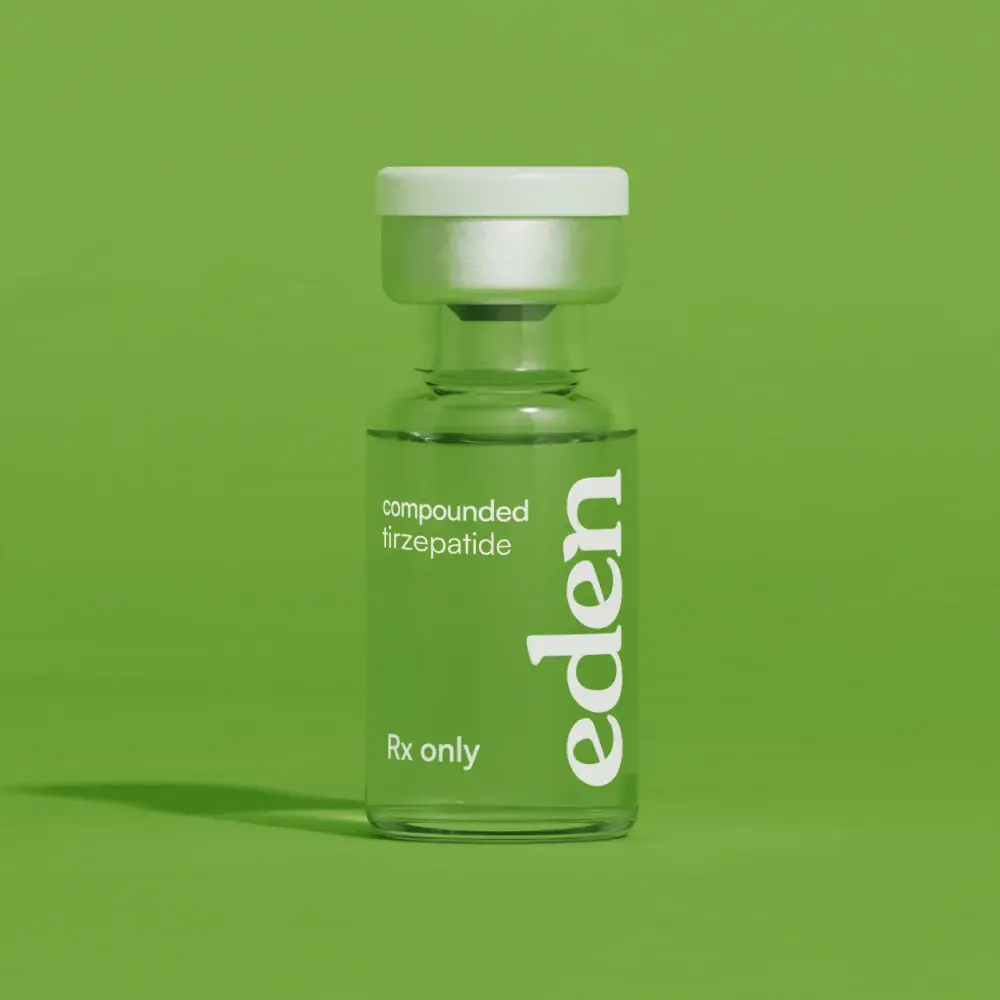
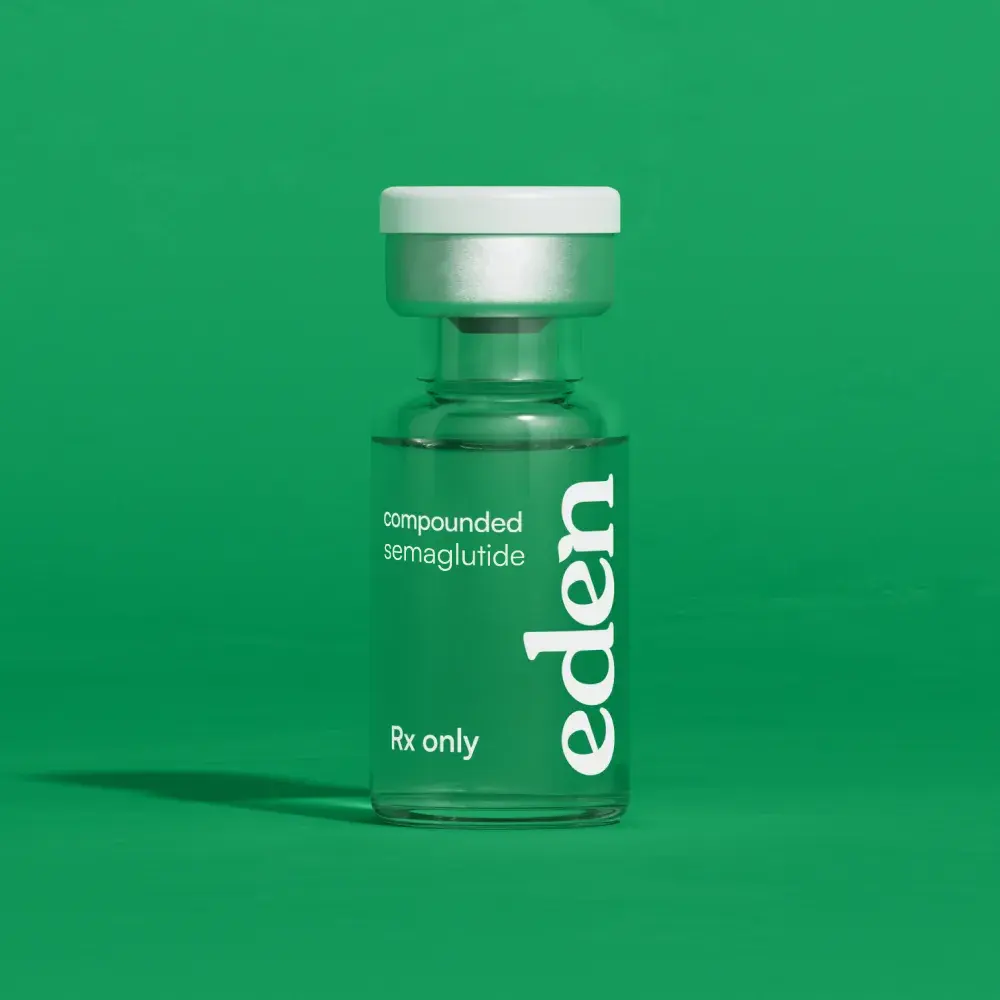
Starting a new medication can be its own trigger, especially one you give yourself. Many people beginning a weekly injectable, such as compounded semaglutide or compounded tirzepatide for weight loss, feel nervous before their first injection. The strategies below, like slow breathing and rehearsing the steps ahead of time, can help. Your provider can also walk you through the process, and for some people, oral options may be worth discussing.
It's also worth paying attention to timing. If anxiety-like symptoms appear or intensify after you start a new medication, including a GLP-1, let your provider know so they can help figure out whether the medication, its side effects, or something else may be involved. Our guide to anxiety while taking Ozempic® covers what's currently known.
Situational Anxiety vs. Generalized Anxiety Disorder: What's the Difference?
Generalized Anxiety Disorder (GAD) involves excessive, difficult-to-control anxiety and worry about a number of events or activities that occurs more days than not for at least six months and causes significant distress or impairment.
Situational anxiety, by contrast, is associated with a particular trigger or circumstance and may ease after the situation has passed. Here's an easy side-by-side comparison of the two:
The two also aren't mutually exclusive. For instance, someone with GAD may also experience heightened situational anxiety.
If your anxiety is frequent, hard to predict, or affecting multiple parts of daily life, a licensed provider can help evaluate whether a diagnosable condition may be present.
How to Manage Situational Anxiety in the Moment
For mild to moderate situational anxiety, behavioral strategies may help. With that in mind, here's what might help before, during, and after your specific trigger.
Before the Triggering Situation
- Prepare and rehearse: For presentations and interviews, preparation may reduce uncertainty, one of the drivers of anxiety. Rehearsing out loud may make the situation feel more familiar and manageable.
- Practice controlled breathing: Try a slow inhale for 4 counts, hold for 4, and exhale for 6-8 counts. Slow, controlled breathing may help reduce feelings of physiological arousal for some people.
- Limit stimulants: Caffeine may amplify feelings such as jitteriness, a racing heart, or nervousness in some people. This means that cutting back on the day of a high-stakes event may help.
- Prioritize your sleep: Anxiety may feel more difficult to manage with sleep deprivation. In other words, getting adequate rest in the days leading up to your presentation or event is a good idea.
During the Triggering Situation
- Use grounding techniques: The 5-4-3-2-1 method (naming 5 things you can see, 4 you can touch, 3 you can hear, 2 you can smell, and 1 you can taste) may help redirect your attention.
- Take a slow, deliberate exhale: Slow, comfortable breathing may help you regain a sense of control in the moment.
- Reframe the feeling as readiness: Research by Harvard's Alison Wood Brooks found that reappraising anxiety as excitement, such as saying "I am excited" instead of "I am calm," may improve performance in certain experimental performance settings.
- Accept the symptoms instead of fighting them: Trying to suppress anxiety may not be helpful for everyone. Acknowledging the feeling ("my heart is racing because this matters to me") may help some people respond to the experience with less distress.
After the Triggering Situation
- Debrief without catastrophizing: Reflect on what went well instead of fixating on perceived slip-ups; try to consider the experience as a whole rather than focusing only on perceived mistakes.
- Move your body: Physical activity, such as a walk or workout, may help some people manage stress and feel more settled after a high-pressure event.
- Resist avoidance: If it went poorly, the urge to avoid similar situations is natural. But avoidance may maintain or worsen anxiety for some people. Gradually re-engaging with feared situations may be best approached with professional support when anxiety is significant.
When Situational Anxiety May Warrant Professional Support
It may be time to speak with a licensed provider if:
- You're regularly avoiding situations that matter to your career, relationships, or daily functioning.
- Your symptoms are intense enough to impair your performance, such as freezing during presentations, an uncontrollable voice tremor, or losing your train of thought.
- You're consistently losing sleep in the days before triggering situations.
- The anticipatory worry lasts days or weeks (not hours).
- You've started declining opportunities, such as interviews, speaking roles, or travel, to avoid the anxiety.
- The coping strategies you've tried aren't giving you enough relief.
A licensed provider can help assess whether what you're experiencing is situational anxiety, a diagnosable condition, or something that may benefit from additional support.
For women in their 40s and 50s, new or heightened anxiety can also be linked to the hormonal shifts of perimenopause. If anxiety feels out of character and shows up alongside changes like irregular periods, hot flashes, or disrupted sleep, it's worth raising with a provider, who can evaluate whether hormone therapy may be an option.
Beta Blockers for Situational Anxiety: What You Should Know
Beta blockers such as propranolol block the effects of adrenaline on beta-adrenergic receptors in the heart and body. As a result, they can reduce certain physical effects of adrenaline, such as a rapid heart rate or trembling. In fact, propranolol is sometimes prescribed off-label for situational or performance-related anxiety, meaning this use is not FDA-approved. However, evidence supporting beta blockers for anxiety disorders remains limited.
Unlike daily anxiety medications such as SSRIs, beta blockers may sometimes be prescribed on an as-needed basis for specific situations. How and when a beta blocker is taken depends on the particular medication, the individual, and the prescriber's instructions. They're often associated with performers, musicians, public speakers, and professionals who deal with disruptive physical symptoms in specific high-stakes moments.
All in all, beta blockers primarily affect physical responses associated with adrenaline; they don't directly treat anxious thoughts or rumination. This means that they may be most useful when your main challenge is physical, such as shaking hands, a racing heart, or a trembling voice.
However, individuals whose situational anxiety is severe enough to impair performance, who have specific and predictable triggers, and who haven't found enough relief from behavioral strategies may want to discuss available options with a licensed provider. If you're considering speaking with a licensed provider, Eden can help connect you with one. Our process starts with a brief online intake.
At the same time, beta blockers aren't right for everyone. They may be inappropriate for people with certain heart conditions, low blood pressure, a slow heart rate, asthma or certain other health conditions, and they may interact with other medications. A licensed provider should review your health history, medications, potential risks, dosing, timing, and suitability.




Prescriptions and a medical evaluation are required for certain products. The information provided on this blog is for general informational purposes only. It is not intended as a substitute for professional advice from a qualified healthcare professional and should not be relied upon as personal health advice. The information contained in this blog is not meant to diagnose, treat, cure, or prevent any disease. Readers are advised to consult with a qualified healthcare professional for any medical concerns, including side effects. Use of this blog's information is at your own risk. The blog owner is not responsible for any adverse effects or consequences resulting from the use of any suggestions or information provided in this blog.
Eden is not a medical provider. Eden connects individuals with independent licensed healthcare providers who independently evaluate each patient to determine whether a prescription treatment program is appropriate. All prescriptions are written at the sole discretion of the licensed provider. Medications are filled by state-licensed pharmacies. Please consult a licensed healthcare provider before making any medical decisions.
Frequently asked questions
Is situational anxiety a mental illness?

Situational anxiety is not itself a formal DSM-5 diagnosis and can occur as a common response to specific stressors. However, anxiety tied to particular situations can also occur as part of a diagnosable anxiety disorder. If your anxiety becomes persistent or starts affecting multiple areas of daily life, a licensed provider can help evaluate if anything else is going on.
How long does situational anxiety last?
It may build before and during a triggering event and often eases once the situation passes, although the duration can vary from person to person. Anticipatory dread that lingers for days or weeks, however, may be worth discussing with a provider.
Do beta blockers cure anxiety?
No, beta blockers for anxiety may be prescribed off-label in some situations to reduce certain physical effects of adrenaline, such as a racing heart or trembling, but they are not a cure for anxiety. A licensed provider can explain whether they may fit your situation.
Can I manage situational anxiety without medication?
For some individuals, breathing techniques, preparation, grounding, and reframing may help manage mild to moderate symptoms. Medication is simply one option a provider may discuss if your symptoms are more disruptive.
Is it normal to feel anxious before starting a GLP-1 injection?
Yes. Feeling nervous before giving yourself an injection for the first time is common, and the same breathing and preparation strategies that help with other triggers may help here. Your provider can walk you through the steps, and if anxiety-like symptoms begin or worsen after you start the medication, let them know.
Can perimenopause cause anxiety?
The hormonal fluctuations of perimenopause are commonly associated with mood changes, including new or heightened anxiety. If anxiety appears alongside other changes, such as irregular periods, hot flashes, or sleep disruption, a licensed provider can help evaluate whether hormones may be playing a role.
Brooks A. W. (2014). Get excited: reappraising pre-performance anxiety as excitement. Journal of experimental psychology. General, 143(3), 1144–1158. https://pubmed.ncbi.nlm.nih.gov/24364682/
Thank you!
We'll be in touch.
Thank you!