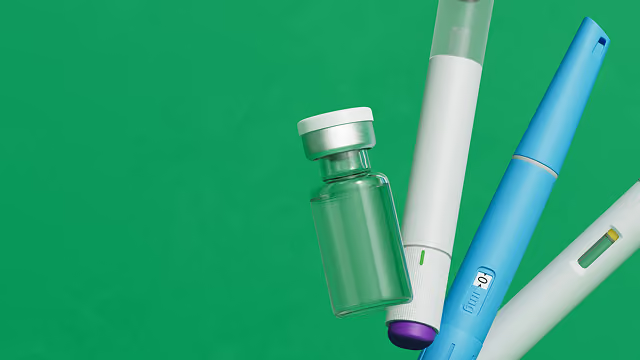

Wegovy®: How It Works, Cost, Dosing & Side Effects



Learn how Wegovy® works for weight loss, its dosing schedule, cost, long-term maintenance, and how it compares to Ozempic®. Get started with a provider today.
- Wegovy® is an FDA-approved prescription medication containing semaglutide, available as a once-weekly injection or a once-daily pill, for chronic weight management in eligible adults.
- It mimics GLP-1, a natural gut hormone, and activates the same receptors, which may reduce appetite, slow digestion, and help you feel full longer.
- The injection starts at 0.25 mg once weekly and steps up every four weeks to a usual maintenance dose of 2.4 mg by week 17.
- In the STEP 1 trial, adults taking Wegovy® 2.4 mg lost an average of about 15% of their body weight over 68 weeks, compared with 2.4% on placebo.
- Wegovy® cost can range from about $25 a month with covered commercial insurance to $349 a month through Novo Nordisk's self-pay program.
- Wegovy® is intended for long-term use. Stopping often leads to weight regain, so it's worth planning for maintenance with your provider from the start.
- Wegovy® isn't right for everyone, so it's important to talk with a licensed healthcare provider beforehand. They can determine what's best for you.
This article is for general informational purposes only and is not a substitute for professional medical advice, diagnosis, or treatment. Always talk with a licensed healthcare provider before starting, changing, or stopping any medication.
Compounded medications are not FDA-approved. They are prepared by state-licensed pharmacies for individual patients and are not reviewed by the FDA for safety, effectiveness, or quality. Compounded medications may be prescribed only when clinically appropriate, including when a licensed prescriber determines and documents a significant difference for an identified patient compared with a commercially available medication.
Wegovy® is an FDA-approved prescription medication containing semaglutide. It's used alongside a reduced-calorie diet and increased physical activity for chronic weight management in adults with obesity, or with overweight and at least one weight-related health condition. It's also one of the most studied options when it comes to semaglutide and weight loss.
This article outlines how Wegovy® works, dosing, results, long-term maintenance, cost, side effects, and how it compares to Ozempic®.
What Is Wegovy®?
Wegovy® is the brand name for semaglutide at a weekly maintenance dose of 2.4 mg, made by Novo Nordisk. The FDA first approved it for chronic weight management in June 2021. It's also approved to lower cardiovascular risk in certain adults with heart disease and to treat a form of fatty liver disease called MASH.
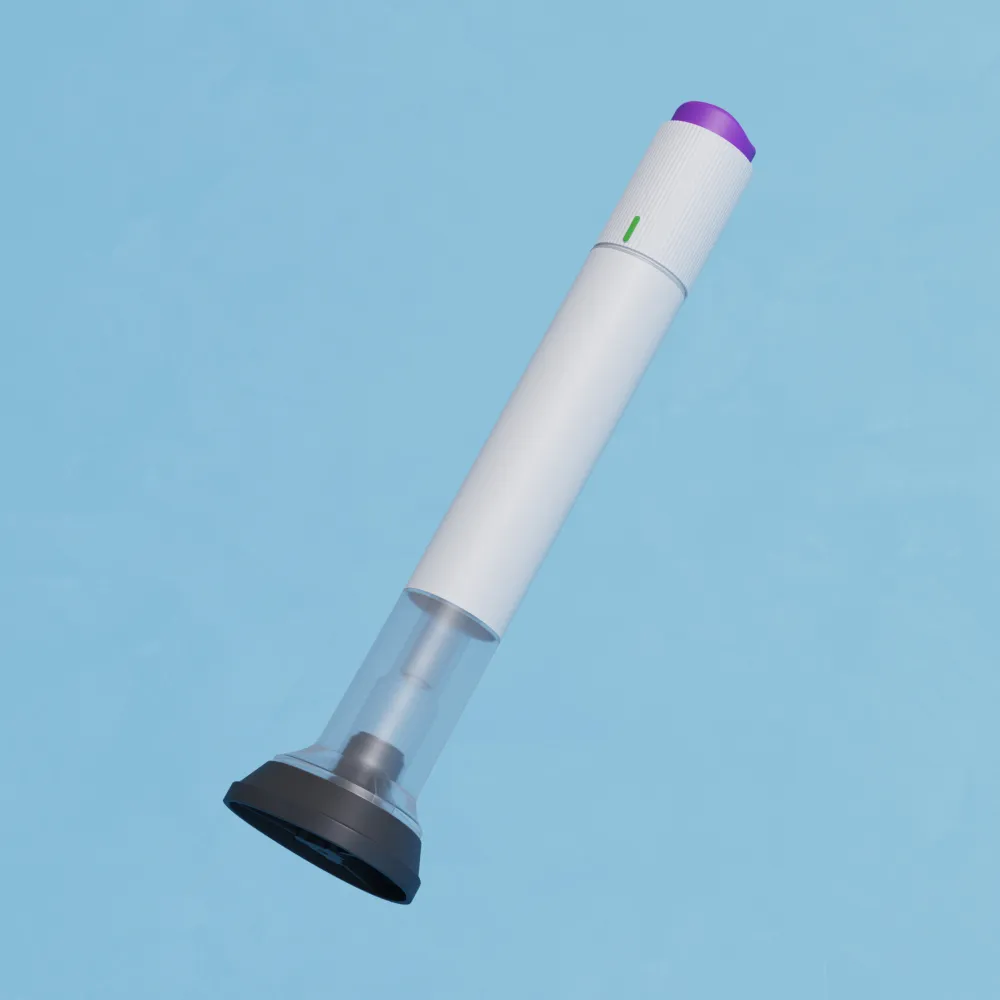
Wegovy® also now comes in two newer formats. A once-daily Wegovy® pill (oral semaglutide 25 mg) was approved in December 2025, and a higher-dose injection, Wegovy® HD (7.2 mg), was approved in March 2026 for some adults who need additional weight loss. The injection is also approved for adolescents aged 12 and older with obesity, while the pill is approved for adults only. This guide focuses mainly on the standard weekly injection.
How Does Wegovy® Work?
Before taking any medication, it's always a good idea to know how it works and what you're putting in your body. Here's how Wegovy® works, including its mechanism and potential effects.
The GLP-1 Mechanism
GLP-1 (glucagon-like peptide-1) is a hormone your gut naturally releases after you eat. It helps signal fullness to the brain, prompts the pancreas to release insulin when blood sugar rises, and slows gastric emptying (the speed at which food moves from your stomach to your small intestine).
Semaglutide (found in Wegovy®) is a lab-made medication that mimics the actions of GLP-1 and activates the same receptors, including those in brain areas involved in appetite.
What Wegovy® Does in Practice
Taking Wegovy® may mean satisfaction with smaller portions and reduced cravings. In one study, adults taking semaglutide 2.4 mg reported less hunger, fewer cravings, and a lower preference for high-fat, savory foods than those on placebo.
Wegovy® may also offer heart benefits for certain people. In the SELECT trial, adults with established heart disease and overweight or obesity (without diabetes) who took Wegovy® had a 20% lower risk of heart attack, stroke, or cardiovascular death compared with placebo.
To be clear, Wegovy® doesn't suppress appetite through stimulant pathways, the way some older weight loss medications such as phentermine do. Wegovy® is also meant to be taken alongside a reduced-calorie diet and regular physical activity.
Who Is Wegovy® For? Eligibility Criteria
According to its FDA labeling, the Wegovy® injection is indicated, together with diet and exercise, for:
- Adults with a BMI of 30 or higher (obesity)
- Adults with a BMI of 27 or higher (overweight) plus at least one weight-related condition, such as high blood pressure, type 2 diabetes, high cholesterol, obstructive sleep apnea, or cardiovascular disease
- Adolescents aged 12 and older with obesity (injection only)
You can check your BMI with our calculator, though BMI on its own doesn't determine whether treatment is right for you.
Wegovy® should not be used if you have a personal or family history of medullary thyroid carcinoma (MTC) or Multiple Endocrine Neoplasia syndrome type 2 (MEN 2), or if you've had a serious allergic reaction to semaglutide. It also isn't meant for use during pregnancy, and the label advises stopping at least two months before a planned pregnancy. Always ensure you share your full medical history and medication list with a licensed provider beforehand, too.
Wegovy® Dosing Schedule
Wegovy® dosing follows a gradual escalation, with the dose increasing every four weeks until you reach maintenance. The schedule is as follows, although a provider may adjust it based on individual tolerability:
Increasing the dose slowly gives your body time to adjust and may help reduce digestive side effects. If the next dose doesn't feel tolerable, the label allows your provider to consider delaying the next increase by four weeks.
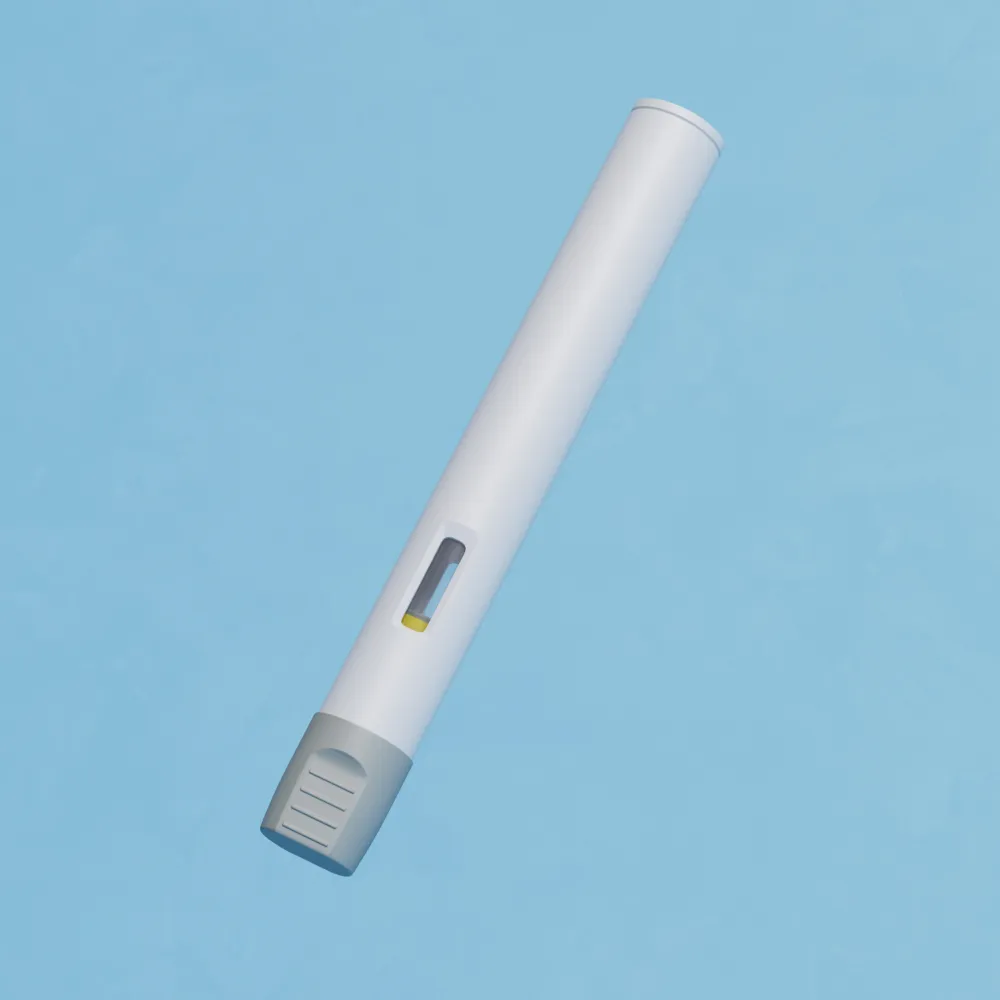
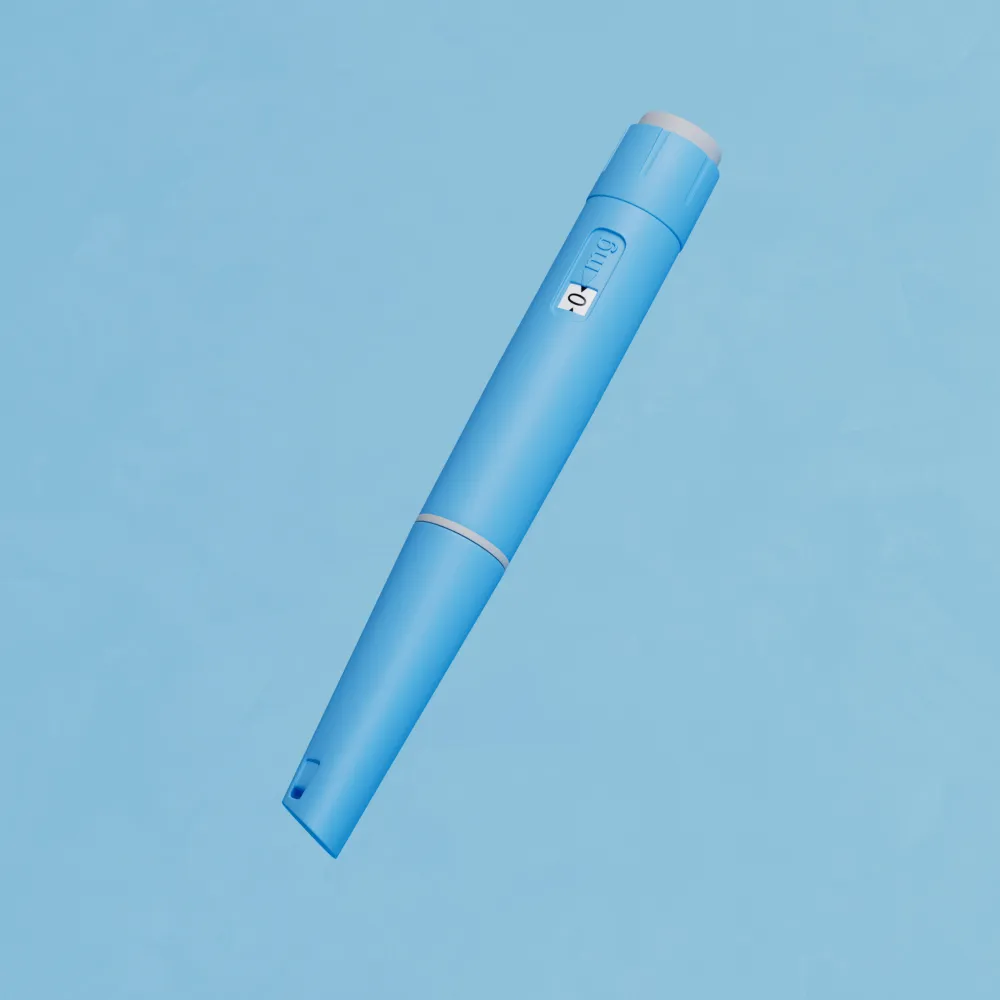
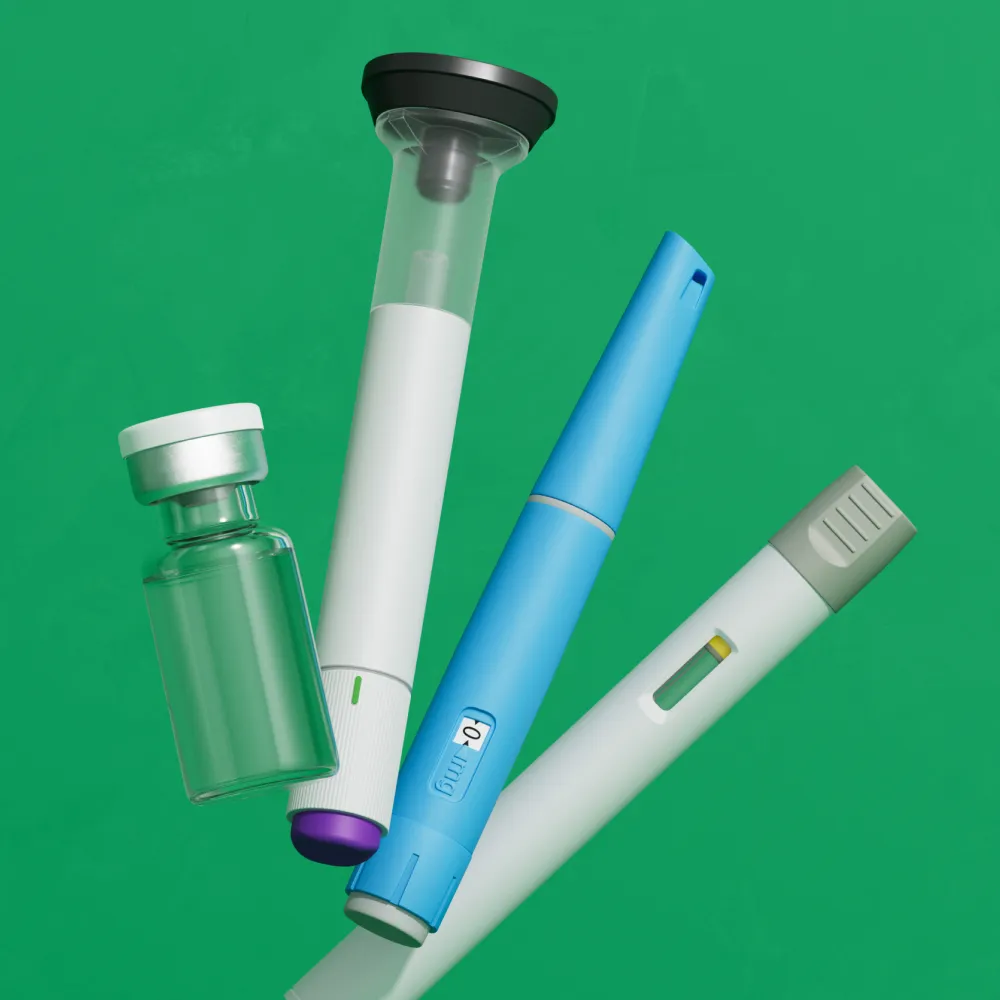
Wegovy® is injected once a week with a prefilled pen, on the same day each week, at any time of day, with or without food. It goes just under the skin (subcutaneously) in the abdomen, thigh, or upper arm, rotating sites each time. If you miss two or more doses in a row, make sure to check with your provider before restarting.
For adults who have tolerated 2.4 mg for at least four weeks and need additional weight loss, a provider may consider Wegovy® HD (7.2 mg). Additionally, the Wegovy® pill follows a separate once-daily schedule, starting at 1.5 mg and building to 25 mg over about three months. Ultimately, any dose change should be made by your provider.
What Results Can You Expect?
These are clinical trial averages for FDA-approved Wegovy®, not expected results for every patient or for compounded semaglutide.
In the STEP 1 trial, adults with obesity or overweight (without diabetes) who took Wegovy® 2.4 mg along with lifestyle changes lost an average of 14.9% of their body weight over 68 weeks, compared with 2.4% on placebo. For someone starting near the trial's average weight of about 232 pounds, this is about 34 pounds.
In the STEP UP trial, adults with obesity who took Wegovy® HD 7.2 mg lost an average of about 20.7% of their body weight at 72 weeks when they stayed on treatment.
Timeline of Expected Results
Individual experiences may vary, but here's a general picture of how progress may happen:
- Weeks 1 to 4: The lowest dose helps your body adjust. Some people may notice less appetite, though weight changes are often small.
- Weeks 5 to 16: As the dose rises, gradual weight loss may begin.
- Months 4 to 6: Once you reach the maintenance dose, weight loss may become more consistent.
- Months 6 to 16 and beyond: In STEP 1, average weight loss kept building through much of the 68-week trial before starting to level off.
Results vary with diet, activity, starting weight, health conditions, and consistency. Adults with type 2 diabetes lost less on average in trials, about 9.6% over 68 weeks.
Maintaining Your Results Long Term
It's also important to know that Wegovy® is intended for long-term use. In the STEP 1 trial extension, participants who stopped semaglutide regained about two-thirds of the weight they had lost within one year.
That doesn't mean everyone's long-term plan has to look the same. Once a patient reaches their goal, some providers consider a lower, individualized maintenance dose (sometimes called microdosing) rather than stopping treatment entirely. Others may discuss switching to a different medication for maintenance; for example, research on oral GLP-1s for weight maintenance has looked at people switching from injectable semaglutide. Lower-dose semaglutide maintenance has not been studied in large clinical trials, though, so any dose change should be made with a licensed provider who can monitor your response.
If you're thinking about stopping or changing your dose, talk with your provider about a plan first. Learn more about long-term GLP-1 weight management.
Wegovy® Cost and Coverage
Wegovy® cost depends on your insurance and the form you take. Prices below reflect Novo Nordisk's published information as of October 2026 and may change.
Wegovy® Cost With Insurance
If your commercial insurance covers Wegovy®, Novo Nordisk may lower your cost to as little as $25 per month for eligible patients, with a maximum savings of $100 per month. Coverage isn't guaranteed, though. Many plans still exclude weight loss medications or require prior authorization.
Since July 1, 2026, eligible Medicare Part D beneficiaries may be able to get Wegovy® (injection or pill) for a $50 monthly copay through a temporary program called the Medicare GLP-1 Bridge, as long as they meet its BMI and health criteria.
Wegovy® Cost Without Insurance
Without insurance or a savings program, Wegovy® has a list price of about $1,349 per month. Novo Nordisk's self-pay program through NovoCare® Pharmacy also offers lower cash prices:
- Injection (0.25 mg to 2.4 mg): $349 per month, with an introductory price of $199 per month for the first two fills of the starting doses for new patients
- Wegovy® HD (7.2 mg): $399 per month
- Wegovy® pill: $149 to $299 per month, depending on the dose
Always make sure to check current pricing, as these listed prices may change.
Other Semaglutide Options to Discuss With a Provider
If you have concerns about cost, coverage, or whether a standard dose fits your needs, those are worth raising with a licensed healthcare provider.
In limited circumstances, a provider may determine that a compounded medication is clinically appropriate for an identified patient because it provides a documented, clinically significant difference from a commercially available medication. Cost or lack of coverage alone does not establish eligibility for compounding.
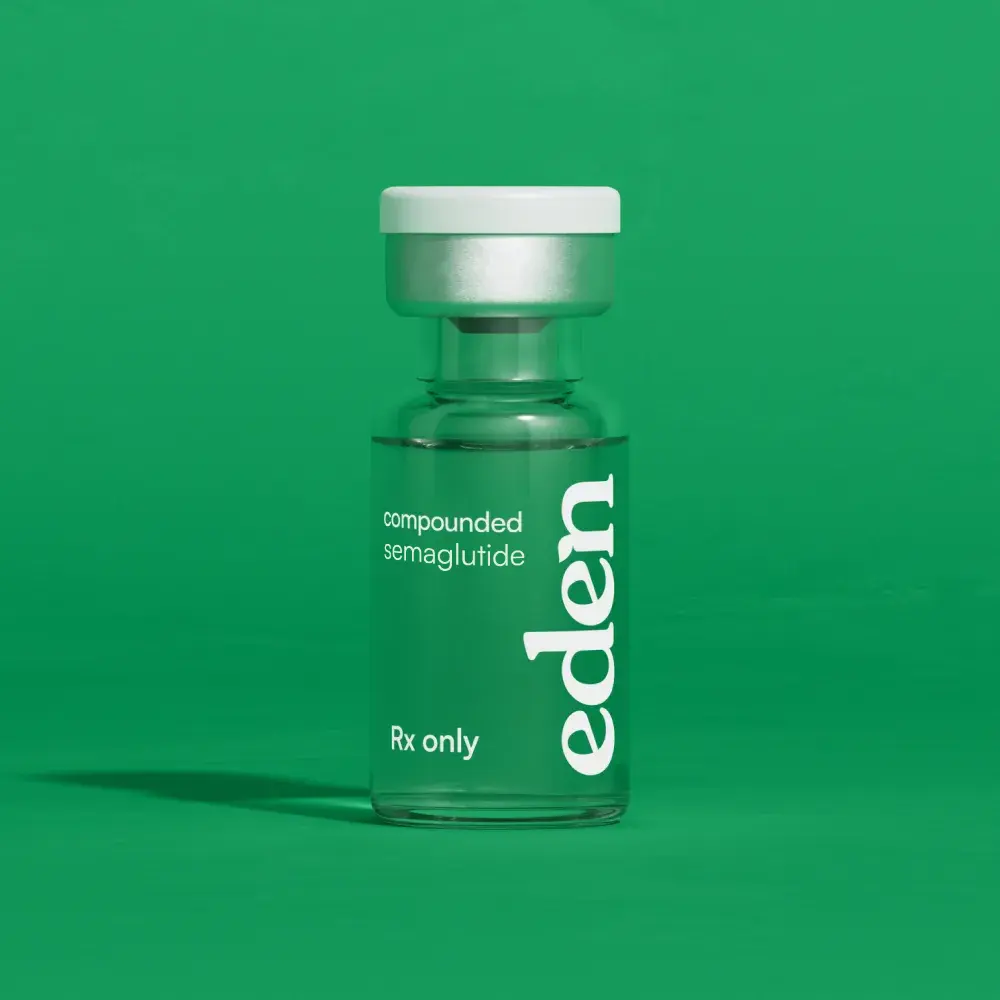
However, compounded semaglutide is not FDA-approved; it isn't the same as brand-name Wegovy®, and the FDA does not review compounded medications for safety, effectiveness, or quality. When a provider determines it's clinically appropriate, compounded semaglutide is prepared by a state-licensed pharmacy for an individual patient, at a dose set by that provider. Results from Wegovy® clinical trials come from the brand-name medication and should not be assumed to apply to compounded formulations. Ultimately, a provider can help you decide whether it's a reasonable choice for you.
If you'd like to discuss your treatment options, learn more about Eden's compounded semaglutide program or read our overview of compounded semaglutide quality and risks. You start with a quick online intake, then Eden connects you with a licensed provider who reviews your health history, goals, and current medications.
Wegovy® Side Effects
Most Wegovy® side effects involve digestive symptoms and most often occur during dose escalation. They may ease as the body adjusts.
Common Side Effects
In clinical trials of adults using Wegovy® 2.4 mg for weight reduction, these were the most commonly reported side effects:
- Nausea: ~44%
- Diarrhea: ~30%
- Vomiting: ~24%
- Constipation: ~24%
- Abdominal pain: ~20%
- Headache: ~14%
- Fatigue: ~11%
- Indigestion/dyspepsia: ~9%
- Bloating: ~7%
- Hair loss (reported, less quantified in trials)
Altered skin sensations (dysesthesia) were also reported, more often with the 7.2 mg dose. Overall, 6.8% of people taking Wegovy® in these trials stopped treatment because of side effects, compared with 3.2% on placebo.
Tips for Managing GI Side Effects
Managing GLP-1 side effects may involve:
- Eating smaller, more frequent meals.
- Choosing bland, low-fat foods (crackers, toast, rice, broth-based soups) while your body adjusts.
- Limiting fried, greasy, or heavily spiced foods.
- Staying well hydrated.
If nausea is severe or persistent, contact your provider; the timing or pace of your dose escalation may be adjustable.
Serious Side Effects and Warnings
Serious side effects are less common. With that said, the Wegovy® prescribing information lists several serious side effects, including:
- Thyroid C-cell tumors: Wegovy® has a boxed warning because semaglutide caused thyroid C-cell tumors in rodents. It's unknown whether this applies to humans, but individuals with a personal or family history of MTC or MEN 2 should not use it.
- Pancreatitis: Severe, persistent stomach pain, sometimes spreading to the back, needs prompt medical attention. If pancreatitis is suspected, Wegovy® should be discontinued and medical care should be sought out.
- Gallbladder problems: Gallstones occurred in 1.6% of adults versus 0.7% on placebo.
- Low blood sugar: The risk is higher when Wegovy® is used with insulin or sulfonylureas.
- Kidney problems: Dehydration from vomiting or diarrhea may affect kidney function.
- Other warnings: Severe digestive reactions, allergic reactions, diabetic eye complications, increased heart rate, and aspiration risk during anesthesia.
Earlier versions of the Wegovy® label included a warning about suicidal thoughts and behavior. In January 2026, after reviewing data from 91 placebo-controlled trials, the FDA found no increased risk and asked for that warning to be removed. Yet, it's still a good idea to tell your provider about any mood changes you experience while taking Wegovy®.
Also, keep in mind this isn't a complete list. Always review the full prescribing information and assess your personal risks with a licensed healthcare provider.
Wegovy® vs Ozempic®: What's the Difference?
Both contain semaglutide and are made by Novo Nordisk. But according to the prescribing information for Wegovy® and Ozempic®, they're FDA-approved for different uses and doses.
The main differences between Wegovy® vs Ozempic® are the approved use and the maximum dose. Wegovy®'s approved injection doses are associated with greater average weight loss in clinical trials, and it's the semaglutide product that's FDA-approved specifically for weight management. Yet, results from separate clinical trials should not be interpreted as a direct comparison of the two medications. Compounded formulations are not FDA-approved or established as interchangeable with either branded medication.
How to Get Wegovy®
Wegovy® requires a prescription. This means that the first step is a consultation with a licensed healthcare provider, either in person or through telehealth. Your provider reviews your BMI, health history, and medications to decide whether Wegovy® or another option is appropriate.
With Eden, you can complete an online intake and connect with a licensed healthcare provider for an evaluation. If medication is prescribed, fulfillment and delivery depend on the medication and dispensing pharmacy. As your goals shift from losing weight to maintaining it, your provider can also adjust your plan over time.






Prescriptions and a medical evaluation are required for certain products. The information provided on this blog is for general informational purposes only. It is not intended as a substitute for professional advice from a qualified healthcare professional and should not be relied upon as personal health advice. The information contained in this blog is not meant to diagnose, treat, cure, or prevent any disease. Readers are advised to consult with a qualified healthcare professional for any medical concerns, including side effects. Use of this blog's information is at your own risk. The blog owner is not responsible for any adverse effects or consequences resulting from the use of any suggestions or information provided in this blog.
Eden is not a medical provider. Eden connects individuals with independent licensed healthcare providers who independently evaluate each patient to determine whether a prescription treatment program is appropriate. All prescriptions are written at the sole discretion of the licensed provider. Medications are filled by state-licensed pharmacies. Please consult a licensed healthcare provider before making any medical decisions.
Frequently asked questions
How long does it take to see results with Wegovy®?

Some people may notice appetite changes within weeks, with weight loss often building by months three to six. In the STEP 1 trial, adults lost an average of about 15% of their body weight over 68 weeks. Individual results may vary.
What happens if I stop taking Wegovy®?
In the STEP 1 trial extension, individuals who stopped semaglutide regained about two-thirds of the weight they had lost within a year. If you're considering stopping, talk with your provider about a plan for maintaining your progress.
Can you take a lower dose of semaglutide for maintenance?
Some providers consider a lower, individualized dose of semaglutide (sometimes called microdosing) for maintenance once a patient reaches their goal, rather than stopping treatment. This approach hasn't been studied in large clinical trials, and the right dose varies by person. Any dose change should be made with a licensed provider.
Is Wegovy® covered by insurance?
Coverage varies widely, and many commercial plans still exclude weight loss medications, though eligible commercially insured patients may pay as little as $25 with Novo Nordisk's savings offer. Some Medicare Part D beneficiaries may qualify for a $50 monthly copay.
Can I take Wegovy® if I have type 2 diabetes?
Wegovy® may be an option for some adults with type 2 diabetes who also meet its BMI criteria, though average weight loss in trials was smaller in this group. Your provider will review your other medications, since combining Wegovy® with insulin or sulfonylureas may raise the risk of low blood sugar.
How does Wegovy® compare to compounded semaglutide?
Wegovy® is an FDA-approved, brand-name medication. Meanwhile, compounded semaglutide is prepared by state-licensed compounding pharmacies for individual patients, at a dose set by the prescribing provider, and is not FDA-approved or reviewed by the FDA for safety, effectiveness, or quality. A licensed provider can help you weigh the differences, risks, and benefits.
What is the difference between Wegovy® and Zepbound®?
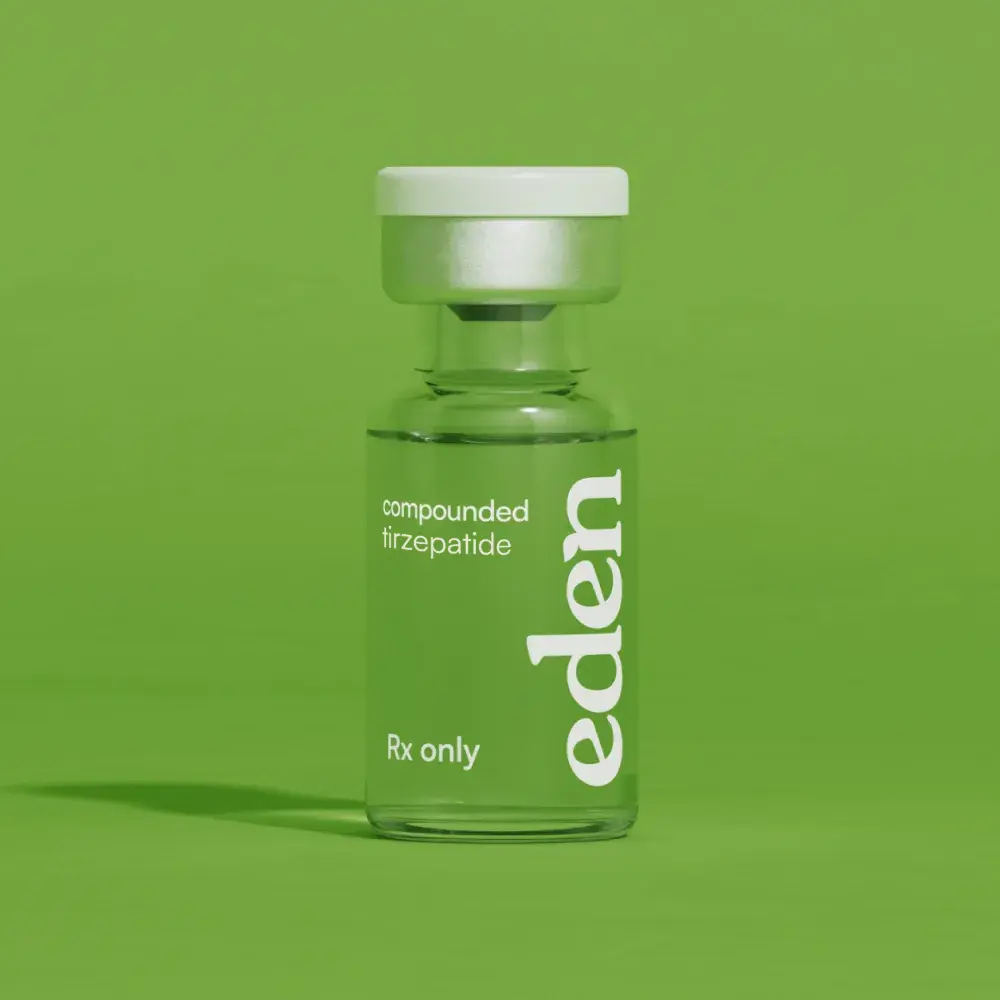
Wegovy® contains semaglutide, which activates GLP-1 receptors. In contrast, Zepbound® contains tirzepatide, which activates both GLP-1 and GIP receptors. In the head-to-head SURMOUNT-5 trial, adults on tirzepatide lost an average of 20.2% of their body weight at 72 weeks versus 13.7% on semaglutide; learn more in our Zepbound® guide.
Aronne, L. J., Horn, D. B., le Roux, C. W., et al. (2025). Tirzepatide as compared with semaglutide for the treatment of obesity. New England Journal of Medicine. https://www.nejm.org/doi/full/10.1056/NEJMoa2416394
Eli Lilly. (2026). ZEPBOUND® (tirzepatide) Injection, for subcutaneous use. https://pi.lilly.com/us/zepbound-uspi.pdf
FDA. (2026, March 19). FDA approves fourth product under National Priority Voucher Program, higher dose semaglutide. U.S. Food And Drug Administration. https://www.fda.gov/news-events/press-announcements/fda-approves-fourth-product-under-national-priority-voucher-program-higher-dose-semaglutide
FDA. (2026). FDA Requests Removal of Suicidal Behavior and Ideation Warning from Glucagon-Like Peptide-1 Receptor Agonist (GLP-1 RA) Medications. https://www.fda.gov/drugs/drug-safety-communications/fda-requests-removal-suicidal-behavior-and-ideation-warning-glucagon-peptide-1-receptor-agonist-glp
Friedrichsen, M., Breitschaft, A., Tadayon, S., Wizert, A., & Skovgaard, D. (2021). The effect of semaglutide 2.4 mg once weekly on energy intake, appetite, control of eating, and gastric emptying in adults with obesity. Diabetes, Obesity and Metabolism, 23(3), 754–762. https://dom-pubs.pericles-prod.literatumonline.com/doi/10.1111/dom.14280
Lincoff, A. M., Brown-Frandsen, K., Colhoun, H. M., et al. (2023). Semaglutide and cardiovascular outcomes in obesity without diabetes. New England Journal of Medicine, 389(24), 2221–2232. https://www.nejm.org/doi/10.1056/NEJMoa2307563
Novo Nordisk. (2026). WEGOVY® (semaglutide) injection and tablets: Full prescribing information (revised 06/2026). https://www.novo-pi.com/wegovy.pdf
Novo Nordisk. OZEMPIC® (semaglutide) injection: Full prescribing information. https://www.novo-pi.com/ozempic.pdf
Novo Nordisk. (2026). Wegovy® access expanded for Medicare beneficiaries living with obesity through the Medicare GLP-1 Bridge starting July 1, 2026. https://www.prnewswire.com/news-releases/wegovy-access-expanded-for-medicare-beneficiaries-living-with-obesity-through-the-medicare-glp-1-bridge-starting-july-1-2026-302764949.html
Wegovy® (semaglutide) Online Pharmacy | NovoCare®. (n.d.). https://www.novocare.com/pharmacy/wegovy.html
Wilding, J. P. H., Batterham, R. L., Calanna, S., et al. (2021). Once-weekly semaglutide in adults with overweight or obesity. New England Journal of Medicine, 384(11), 989–1002. https://www.nejm.org/doi/10.1056/NEJMoa2032183
Wilding, J. P. H., Batterham, R. L., Davies, M., et al. (2022). Weight regain and cardiometabolic effects after withdrawal of semaglutide: The STEP 1 trial extension. Diabetes, Obesity and Metabolism, 24(8), 1553–1564. https://pmc.ncbi.nlm.nih.gov/articles/PMC9542252/
Thank you!
We'll be in touch.
Thank you!